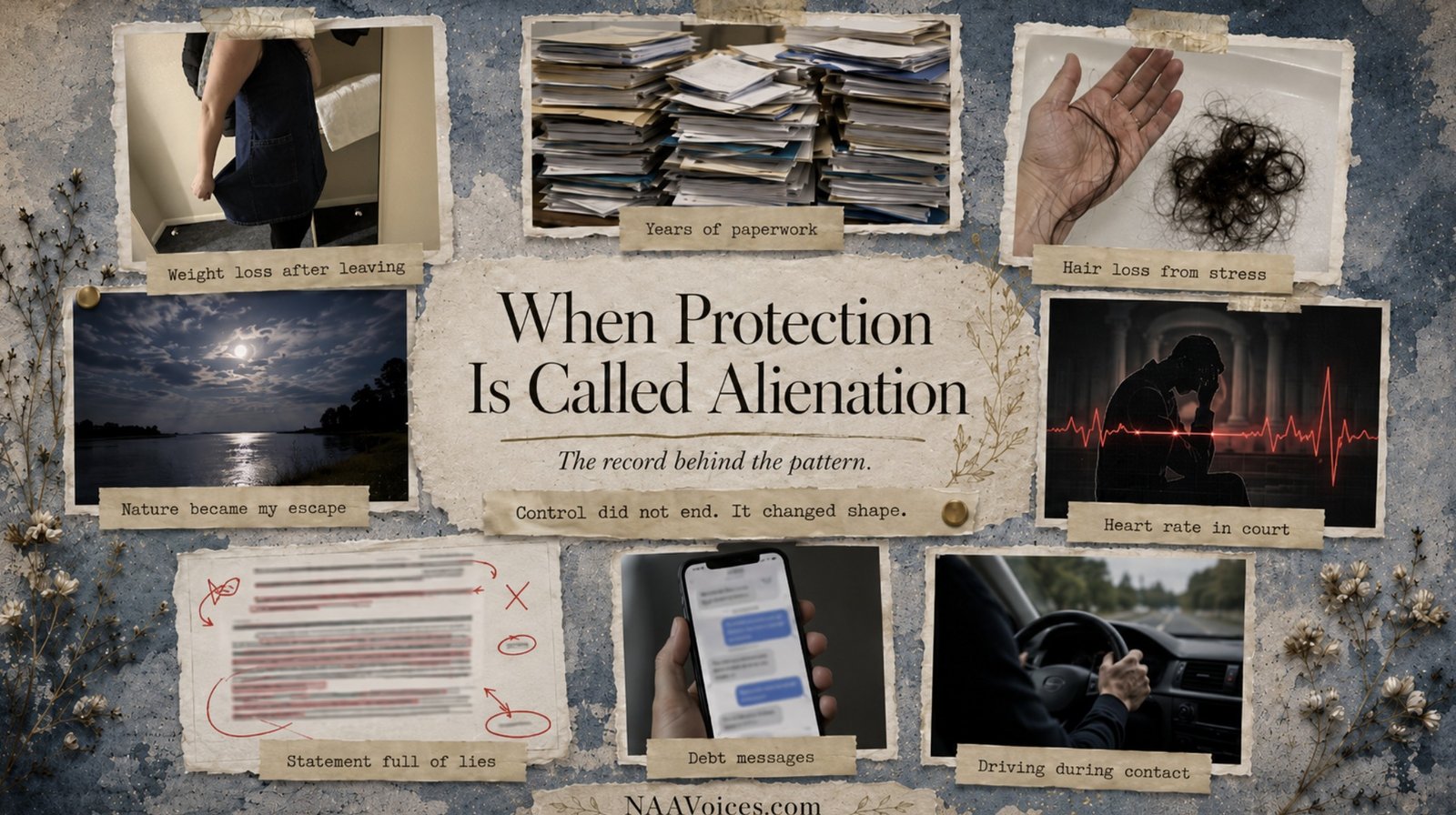
Your Rights as a Victim
of Domestic Abuse
The Victims’ Code, Domestic Abuse Act 2021, all protective orders explained, police duties, court support measures, ABE guidance, and legal aid — everything you are legally entitled to.
The Victims’ Code
Your fundamental rights throughout the justice process
The Code of Practice for Victims of Crime (the Victims’ Code) sets out the minimum standard of services that criminal justice agencies — including police, CPS, and courts — must provide to victims. As a victim of domestic abuse, you have legal entitlements throughout the process.
Your entitlements under the Victims’ Code
- To be informed about the investigation and any charges within set timeframes
- To be referred to support services — this must happen automatically, not just if you ask
- To have a Needs Assessment to identify what support you require
- Enhanced rights as a vulnerable or intimidated victim — including special measures
- To be informed if an offender is released or escapes from custody
- To make a Victim Personal Statement — your right to explain the impact of the crime
- To be treated with respect, sensitivity, and without discrimination at all times
- To request a review of a CPS decision not to charge or to discontinue
Domestic Abuse Act 2021
The most significant domestic abuse legislation in a generation
The Domestic Abuse Act 2021 introduced a statutory definition of domestic abuse for the first time, expanded protections for victims, and placed new duties on local authorities and police. Key provisions include:
Key provisions
- Statutory definition of domestic abuse — covering physical, emotional, coercive, controlling, and economic abuse
- Children who see, hear, or experience effects of DA are recognised as victims in their own right
- Domestic Abuse Protection Notices (DAPNs) and Orders (DAPOs) — powerful new tools for police and courts
- Duty on local authorities to provide support to DA victims and their children in safe accommodation
- Prohibition on cross-examination of victims by perpetrators in civil and family proceedings
- New offence of non-fatal strangulation and suffocation
- Homicide review provisions for domestic abuse-related deaths
Protective Orders
Multiple court orders exist to protect you. Many can be obtained without the abuser knowing in advance (without notice/ex parte). You do not need a criminal conviction to obtain these orders.
Non-Molestation Order
Prevents the abuser from using or threatening violence against you or your children, or from intimidating, harassing, or pestering you. Breaching this order is a criminal offence carrying up to 5 years imprisonment.
- Can be obtained without giving notice to the abuser in urgent cases
- Usually lasts 6–12 months but can be indefinite
- Available to associated persons (current/former partners, family members)
Occupation Order
Regulates who lives in the family home and can exclude the abuser from the property and surrounding area, even if they own or rent it.
- Can include “buffer zones” excluding the abuser from an area around the home
- Usually time-limited but can be extended
- Often applied for alongside a Non-Molestation Order
Restraining Order
Issued by a criminal court — often on conviction or acquittal. Prevents the perpetrator from contacting you or entering certain locations. Breach is a criminal offence.
- Can be made even where the defendant is acquitted if the court considers it necessary to protect you
- Can last indefinitely
Domestic Abuse Protection Notice (DAPN)
A new power under the DA Act 2021. Police can issue a DAPN immediately — without a court order — to provide emergency protection. This is followed by a DAPO application to court within 48 hours.
- Immediate protection available 24/7
- The abuser can be required to leave the home immediately
Domestic Abuse Protection Order (DAPO)
A longer-term order following a DAPN, or applied for directly. Can include a wide range of requirements — positive obligations as well as prohibitions. Can last for any period the court considers appropriate.
- Can require the perpetrator to attend a behaviour change programme
- Electronic monitoring can be attached
Stalking Protection Order (SPO)
Specifically designed for cases involving stalking or harassment. Can be obtained by police and prohibits the perpetrator from contacting you or attending certain places.
What police must do when you report domestic abuse
The police have statutory duties under the Domestic Abuse Act 2021 and the Victims’ Code. When you report domestic abuse, police must:
- Conduct a risk assessment using the DASH (Domestic Abuse, Stalking and Honour-Based Violence) Risk Identification Checklist
- Refer you to specialist support services — you do not need to consent for an automatic referral
- Ensure you are safe before leaving — safety planning must be completed
- Collect evidence, including photographing injuries and taking statements
- Consider all available powers including DAPNs and arrest
- Keep you informed of the investigation’s progress
- Refer to MARAC if you are assessed as high-risk
- Treat you with dignity and without discrimination throughout
Special Measures & Court Support
Your rights when giving evidence in court
As a victim of domestic abuse, you are automatically eligible for special measures in court. These are designed to enable you to give your best evidence while feeling as safe as possible.
Special measures available
- Screens — so you don’t have to see the defendant while giving evidence
- Video link — give evidence from a separate room or remotely
- Evidence in private — public and press excluded from court
- Removal of wigs and gowns — less formal court atmosphere
- Intermediary — to help you understand and answer questions
- Communication aids — where you have communication difficulties
Additional court support
- IDVA: Independent Domestic Violence Adviser — dedicated caseworker for high-risk victims, including court accompaniment
- Citizens Advice — court process guidance
- Victim Support — free, independent support through the criminal justice system
- Rights of Women — free legal advice: 020 7251 6577
Achieving Best Evidence (ABE) Guidance
The ABE guidance sets out how police should conduct video-recorded interviews with vulnerable and intimidated witnesses — including victims of domestic abuse. A properly conducted ABE interview can be used as your evidence-in-chief at trial, meaning you may not have to give the same evidence again in court.
- You have the right to request an ABE interview
- The interview should be conducted by a trained officer in a suitable environment
- The recording can stand as your main evidence, replacing a written statement at trial
- You should be told what will happen to the recording and who will see it
Legal Aid
Legal aid is available to victims of domestic abuse for a range of proceedings, including applying for injunctions, family court proceedings involving children, and immigration cases. You do not need to have reported to police to qualify.
- Evidence of domestic abuse is required — this can include police reports, medical records, referral letters from support organisations, or a letter from your IDVA
- The means test is more generous for DA victims in some proceedings
- Emergency legal aid is available for urgent injunction applications
- Find a legal aid solicitor at find-legal-advice.justice.gov.uk
Further legal tools & rights
Domestic Violence Disclosure Scheme (DVDS)
Clare’s Law gives you the right to ask police whether a current or former partner has a history of domestic abuse or violent offending. There are two routes:
- Right to Ask: You can ask police directly if your partner has a history of DA or violence
- Right to Know: Police can proactively disclose information to protect someone at risk
- Requests are made to your local police force — ask at a police station or call 101
- Police will conduct checks and decide whether disclosure is necessary to protect you
NCDV — Free Emergency Injunctions
The National Centre for Domestic Violence (NCDV) provides free, fast injunctions for victims of domestic violence regardless of income. They can obtain an emergency Non-Molestation Order within 24–48 hours in urgent cases.
- Completely free — no means test
- Emergency applications within 24 hours
- Available across England and Wales
- No need for a solicitor to access the service
Forced Marriage & FGM Protection Orders
Two specialist civil orders exist for cases involving forced marriage and female genital mutilation:
- Forced Marriage Protection Order (FMPO): Protects a person from being forced into marriage or from taking part in one. Can prevent a person being taken abroad. Apply to the family court or contact Karma Nirvana: 0800 5999 247
- FGM Protection Order: Protects girls and women from FGM being performed or arranged. Application made to the family court. Police and local authorities can also apply.
- Both can be obtained urgently and without the other party being told in advance
Restraining Orders on Acquittal
A restraining order can be made by a criminal court even when the defendant is acquitted — if the court considers it necessary to protect you from harassment. This is an important protection that many victims are unaware of.
- The prosecution or defence can apply, or the court can make one of its own volition
- Applies where the court considers it necessary to protect the victim from harassment
- Breach is a criminal offence carrying up to 5 years imprisonment
- Ask the CPS or your IDVA about this before the trial concludes
Body-Worn Camera Footage as Evidence
Police body-worn camera footage is increasingly important evidence in domestic abuse prosecutions. You have rights in relation to this footage:
- Body-worn camera footage captured at the scene can be used as evidence — including your account given immediately after the incident
- You can request through the CPS or your solicitor that footage is disclosed as part of proceedings
- Audio and video recordings you make yourself may also be admissible — seek legal advice on how to ensure this
- 999 call recordings are also routinely used as evidence and can capture the incident itself
ISVA — Independent Sexual Violence Advisers
Where domestic abuse involves sexual violence, an Independent Sexual Violence Adviser (ISVA) provides specialist support alongside or instead of an IDVA:
- Specialist casework support through the criminal justice process
- Help navigating SARC (Sexual Assault Referral Centre) referrals
- Support whether or not you report to police
- Access via police, SARC, local DA services, or Rape Crisis: rapecrisis.org.uk
- Rape Crisis helpline: 0808 500 2222
Civil Legal Aid Gateway for DA
Legal aid is available for DA victims in civil proceedings without an income means test in some circumstances. Key points:
- Emergency legal aid for urgent injunction applications is available at short notice
- Evidence of DA is required but can include police records, medical records, letters from support organisations, or IDVA letters — a conviction is not required
- The Civil Legal Aid gateway for DA cases is more accessible than general legal aid
- Find a legal aid solicitor: find-legal-advice.justice.gov.uk
- Rights of Women can advise on eligibility: 020 7251 6577
Police Misconduct, Victim Blaming & Institutional Failure
When the system that should protect you fails you instead — this is not rare. Police failures, victim blaming, and institutional betrayal are a pattern experienced by thousands of survivors every year. Your pain is real. What happened to you was not your fault. And you have the right to hold agencies accountable.
Read the full NAAVoices guide: Your Pain, Your Voice, Your Life Matters →Victim blaming & secondary victimisation
What it is, why it happens, and why it is never acceptable
Victim blaming occurs when the focus shifts from what the perpetrator did to what the victim did, said, wore, or failed to do. Secondary victimisation happens when the very people and systems meant to help cause further harm through disbelief, minimisation, or inappropriate responses.
Common victim-blaming responses
- “Why didn’t you just leave?”
- “Why did you go back?”
- “What did you do to provoke it?”
- “You don’t look like a victim”
- “Why didn’t you report it sooner?”
- “Are you sure you’re not exaggerating?”
- “He seemed so normal when we spoke to him”
- “The children still need their father”
Why these questions are harmful
- They shift responsibility from perpetrator to victim
- They ignore the reality of coercive control and trauma bonding
- They discourage disclosure and reporting
- They compound existing trauma — causing lasting psychological harm
- They may reflect unconscious bias, poor training, or systemic failure
- They are never a neutral question — they are a judgement
The truth
- Survivors stay for complex, valid reasons — trauma bonding, fear, children, finances, immigration status
- Leaving is the most dangerous time — victims know this better than anyone
- Abuse is 100% the responsibility of the abuser, 0% the responsibility of the victim
Police failures in domestic abuse cases
What should happen — and what to do when it doesn’t
Common police failures
- Not recording a crime when one has clearly occurred
- Failing to complete or act on a DASH risk assessment
- Treating the victim as a suspect or co-respondent
- Believing the perpetrator’s account over the victim’s
- Not referring high-risk cases to MARAC
- Discouraging victims from pressing charges
- Failing to apply for a DAPN or DVPN in urgent cases
- Sharing victim information with the perpetrator
- Failing to consider the impact on children present
What the police are legally required to do
- Complete a DASH risk assessment at every domestic abuse incident
- Refer you to specialist support — automatically, not just if you ask
- Treat your report seriously and record it appropriately
- Keep you informed of the investigation under the Victims’ Code
- Consider DAPN/DAPO powers to protect you immediately
- Refer to MARAC for high-risk cases
- Conduct welfare checks on any children present
When the system causes harm
Institutional betrayal occurs when an institution — police, courts, social services, healthcare — causes harm to someone who sought their help and protection. The psychological impact of institutional betrayal is well-documented and can be as damaging as the original abuse. If this has happened to you, your response is valid. It is not in your head.
Making a complaint & holding police accountable
Your rights, the process, and who can help you
Step 1 — Complain to the force directly
- Contact the police force’s Professional Standards Department (PSD)
- You can complain about individual officers or the force’s handling of your case
- You can complain in writing, by phone, or in person
- You do not need a solicitor to make a complaint
- You can ask an IDVA, Victim Support, or Rights of Women to support you
Step 2 — Escalate to the IOPC
- Independent Office for Police Conduct (IOPC) — independent oversight body
- If you are not satisfied with the force’s response, refer to IOPC
- IOPC can independently investigate serious misconduct
- Your MP can raise concerns on your behalf
- HM Inspectorate of Constabulary (HMICFRS) publishes reports on force performance
Rights of Women
020 7251 6577Free legal advice on criminal law, family law, and police complaints for women.
rightsofwomen.org.uk →Victim Support
0808 168 9111Free, independent support through the criminal justice system — including complaints.
victimsupport.org.uk →IOPC Complaints
Independent Office for Police Conduct — for escalating complaints about police misconduct.
iopc.gov.uk →DARVO — Deny, Attack, Reverse Victim & Offender
DARVO is a manipulation tactic used by perpetrators in police, court, and safeguarding contexts to deny abuse, attack the victim’s credibility, and reverse the roles of victim and offender. It is widely used and widely misunderstood — and it can lead professionals to doubt genuine victims.
From the Founder
From the Founder
Personal writing from Amy Royle — survival, recovery, neurodiversity, parenting through trauma, advocacy, and the journey that built NAAVoices.
All resources by NAAVoices.com — ⚖ DA & Neurodiversity — Understanding the Risks, Barriers & Support ⚠ Police Misconduct & Victim BlamingYour Pain, Your Voice, Your Life Matters — NAAVoices