Tag: #NAAVoices

  • Finding the Stars: Why Not Broken Had to Be Written

    Finding the Stars: Why Not Broken Had to Be Written

    Some books begin with a plan.
    Not Broken did not.

    It began at a kitchen table, in the middle of a life that felt too dark, too loud, and too fractured for easy answers. It began in conversations with my children, in moments when I needed words that did not seem to exist anywhere else. Words honest enough for pain, but gentle enough to carry hope.

    I am a Specialist Nurse Practitioner with postgraduate study in the psychology and neuroscience of mental health. I know the evidence. I know the therapies. I know the clinical frameworks that support healing. But the truth is this: while I was still living through sustained trauma, none of that knowledge could fully reach me.

    That is not because those therapies do not work. They do. I believe in them, and I recommend them with confidence. But when the body is still trapped in survival, healing does not always begin with structured processing. Sometimes it begins somewhere quieter. Somewhere instinctive. Somewhere outside language.

    For me, one of those places was a lay-by.

    For over a year, I returned to the same place again and again. Not because it fixed anything. Not because it was magical. But because it gave me a pocket of stillness when everything else felt unbearable. It gave my body a chance to breathe.

    At the time, I did not know the language of grounding, sensory regulation, trauma responses, or nervous system overload. I only knew that something about that space helped me stay here.

    Sometimes I slept there. Many times, my little girl slept there with me. We would look up at the stars. She grew up believing that when someone leaves, they become a star. It was her way of holding loss. In time, it became mine too.

    That lay-by held more than silence. It held grief, fear, exhaustion, and the desperate effort of trying to stay functional in public while quietly unravelling in private. I have stood in that field in rain, ice, and darkness. I have sat in the grass just to feel something real beneath me. I have gone there in uniform, in the middle of the night, trying to regulate myself enough to return to a life that did not feel safe.

    At the time, nobody knew.

    It was only later, after more study, training, and reflection, that I understood what I had already been doing. I had been grounding myself. I had been using nature as regulation. I had been using the cold air, the silence, the openness of the sky, and the feel of the earth beneath me to stabilise a body that had been pushed too far for too long.

    The body often finds ways to survive before the mind has language for what it is doing.

    That truth sits at the heart of Not Broken.

    This is not a book built on platitudes or polished clichés. It is not about pretending pain becomes beautiful. It is not about bypassing trauma with positivity. It is about survival, grief, family upheaval, and the slow process of finding words for experiences that once lived only in the body.

    Not Broken began as a therapeutic story for children — a way of speaking gently into the confusion trauma leaves behind. Over time, it became something wider: a collection of stories and reflective tools for those trying to make sense of darkness without being consumed by it.

    The title itself carries the message I needed most.

    The stars do not disappear during the day.
    They are always there.
    You just cannot see them until it is dark enough.

    That is not a slogan. It is not false comfort. It is the simplest truth I know about recovery. In the darkest periods of life, there are often strengths, capacities, and forms of hope that remain hidden until we need them most.

    Almost two years later, I drove that same road again.

    This time, I was not driving in panic. I was not bracing for impact. I was not trying to outrun a life that felt unsafe. The place had not changed, but I had. My body no longer responded as if I were still trapped in the same emergency.

    That is what recovery can look like.

    Not dramatic. Not neat. Not a perfect before-and-after. Just a quiet physiological shift. The road is still the road. The memories are still the memories. But your body no longer believes it is still living there.

    That night, all three of my children got out of the car and stood beneath the stars. Quietly. Gently. With the kind of understanding that does not need much explanation. They knew why that place mattered. They had lived through enough to understand.

    And that is why this book exists.

    It exists for the people who are functioning outwardly while falling apart inwardly.
    It exists for those who feel frustrated that healing has not yet “worked,” when the truth may be that they are still in survival mode.
    It exists for anyone who needs language that is compassionate, grounded, and real.

    I chose to publish this book under my own name for a reason. I am a nurse, a mother, and a survivor. Trauma does not discriminate. It reaches professionals, carers, clinicians, parents, and people who look as though they are coping from the outside. I believe honesty matters. Not for performance. Not for sympathy. But because silence protects stigma, and truth dismantles it.

    Not Broken is not the story of everything that happened to me.
    It is the story of what I built from it.

    If something brought you here, then perhaps this book is meant for you. If you are searching for words, for comfort, for understanding, or simply for proof that survival is possible, this book was written with that in mind.

    The stars are already there.
    Sometimes we just need help finding them.

    Not Broken is available now on Amazon:

  • Accountability Doesn’t Vanish Simply Because a System Looks Away

    Accountability Doesn’t Vanish Simply Because a System Looks Away

    Learning to Live a Life I Never Understood

    For the past two and a half years, I’ve been living a life I never expected to face. People often say that after two years, things should feel different, that healing should have taken root by now. And in some ways, it has. There are days when I can breathe again. Days when the world feels less sharp.

    But in other ways, the impact remains, still shaping how I move through my life. This isn’t a story I ever expected to tell publicly, but silence only protects the systems that failed us. I never imagined I would have to learn how to live a life I didn’t understand. I never understood the weight of victim‑blaming or the reality of institutional corruption. I didn’t believe those things could happen to any genuine human being who simply asked for help, yet they did, and they continue to happen to others just like me. The harm has been profound, affecting me, my children, and countless victims who were left unprotected within the very systems that were supposed to keep us safe.

    The Timeline No One Should Ever Have to Build

    For a long time, I’ve been creating a comprehensive, chronologically ordered database for West Mercia Police, long before AI existed to help with data extraction. It consumed me. Years have now been taken from me by trauma, and nothing gets easier when there has been no closure. Life slows down. Everything takes longer. You work at your own pace, in the quiet hours when the house is still, and the kids are finally asleep.

    Every entry came with a cost, because documenting trauma means reliving it. But I’ve now reached a point where every piece of correspondence, interaction, audio recording, document between myself and the police, between outside agencies, and nearly everything that shaped court proceedings and my children’s lives is compiled. It is factual, organised, and complete.

    This wasn’t just paperwork. It was stepping back into an alternate universe and doing the kind of processing that counselling and EMDR couldn’t reach. I couldn’t cope with EMDR; not at someone else’s pace, not with the impact of being retraumatised week after week. It left me unable to function. So instead, I processed in the only way I could: slowly, deliberately, and on my own terms

    A Note From the Book

    There is a paragraph from the opening of Book Two that captures the foundation of what this stage of the story represents:

    “Every date in this book is real. Every email is real. Every diary entry, every phone call, every timestamp. The correspondence quoted throughout has been preserved exactly as it was written, sent, and received. Names have been changed to protect the identities of those involved, with the exception of professionals acting in their official capacity whose conduct is a matter of public record. Among those professionals, there are a small number of officers for whom I have chosen to use pseudonyms not to obscure the truth, but out of respect for who they were as people, and for how they treated me and my children during a time when compassion was rare.”

    That paragraph sits at the front of Book Two for a reason. It sets the tone for what follows — not fiction, not interpretation, but documented reality.

    When New Correspondence Raises Old Questions

    As I continued building the database, I thought I had reached a point where nothing could surprise me anymore. But recently, I received a significant amount of additional correspondence, not written by me or to me, but directly connected to me and any cross-over in my case. It added context to events I had already documented and raised questions that only make sense within the wider chronology I’ve built.

    What matters is this: the new information didn’t contradict my documentation. It strengthened it. It confirmed patterns I had already identified. And it showed, with even more clarity, that from the moment I raised a complaint about PC Rolls and Sgt Smith walked into my home, my children and I never stood a chance.

    When Accountability Becomes Impossible

    There was a time when I considered submitting the entire database, every document, every contradiction, every timestamp, back to West Mercia’s legal team or the IOPC. But when you have written evidence showing both departments contradicting themselves, it becomes difficult to believe that another submission would achieve anything meaningful.

    It is becoming painfully clear that, no matter the truth, they can write and do as they please. And when a system can rewrite reality on paper, accountability becomes almost impossible.

    When Risk Is Created — Not Prevented

    What happened to my children wasn’t just unacceptable; it was dangerous. Decisions were made that placed them at risk, and time proved that risk to be real. Over the summer, the same pattern of behaviour returned, almost identically, and the consequences could have been far worse.

    Thankfully, my child is safe. But the fact remains: a five‑year‑old should never have been placed in that position in the first place. The system that was supposed to protect them instead created the conditions for further harm.

    Stories like mine aren’t rare — they’re simply rarely acknowledged.

    Living Without Fear — But Not Without Impact

    I am no longer afraid of what comes next from the man who abused me. I don’t hold fear for him, or for anything else in that sense. But the truth is, I wasn’t free when I thought I was. The abuse didn’t end when I left him; it continued because of the police. And as someone recently said to me, the retraumatisation I’ve lived through is likely the reason I now exist in a state of dissociation most of the time.

    It’s not fear. It’s distance.

    And every time I put on my uniform, I feel a layer of protection. It acts as a shield in my own life and enables me to protect others from harm. There’s something almost comical about that, because it was a uniform that caused so much harm to me and mine. Yet somehow, wearing my own gives me back a sense of purpose that trauma tried to take.

    The Person I Was Is Gone — But My Voice Isn’t

    I know I will never be the person I once was. My children won’t be the same either. But we are still here. And we still have voices.

    There is no rush to finish this work. It will be done at my pace. It has to be. I shut down socially because of the trauma. This is the database I work on when the kids are asleep. One day, all of this will come out.

    Choosing Whether to Publish Under My Own Name

    I questioned whether I should publish under my own name; whether I should own it publicly. That decision was made for me by my two teenagers, who are still receiving support for the trauma they endured. Their voices matter. Their safety matters. Their truth matters.

    What the Database Shows

    Reading through the database, now 87 sheets long with over 3,617 entries — one thing is painfully clear:

    The continuation of trauma and the lack of healing were fuelled by the absence of justice.
    By the refusal to acknowledge the abuse my children suffered.
    By the consequences that rippled through our home, including having a mum who is no longer the parent she once was.

    This is the reality so many survivors face. Not just the abuse itself, but the systems that fail them afterwards.

    And this is why NAAVoices exists — to document, to educate, to expose, and to ensure that no one feels alone in a life they never asked to live.

    And As for Accountability…

    I don’t know yet what form accountability will take.
    I don’t know when, or how, or through which route.

    What I do know is this:

    I have the evidence.
    I have the chronology.
    I have the contradictions in writing.
    I have the names, the departments, the policies, the breaches.
    And I have a database that can be used again if and when the time is right.

    I’m not done, I’m simply choosing not to fight a system on its terms while I’m still rebuilding my own life. For now, the truth is documented, and that alone is a form of accountability.

    Because accountability doesn’t disappear just because a system refuses to see it.
    Sometimes it simply waits for the right moment to be used.

  • Mental Health & Neurodiversity Helplines and Organisations.

    Mental Health & Neurodiversity Helplines and Organisations.

    Mental Health & Neurodiversity Support Resources | NAAVoices.com
    Empowering voices, supporting recovery
    🚨 In immediate danger? Call 999 | Urgent mental health support: 111 (Option 2)

    Mental Health & Neurodiversity Support

    Comprehensive resources for individuals, families, and professionals

    What type of support are you looking for?

    🧠
    Mental Health Support
    Crisis helplines, NHS services, counseling, and emotional wellbeing resources
    🧩
    Neurodiversity Support
    ADHD, Autism, Dyslexia, and other neurodevelopmental support services

    You’re Not Alone

    This comprehensive resource directory connects you with mental health and neurodiversity support services. Whether you’re seeking crisis support, diagnostic assessment, or ongoing help for yourself or a loved one, these services are here for you. Help is always available, and no concern is too small to reach out.

    🚨

    Crisis Support – Wrexham & North Wales

    NHS 111 Wales Mental Health Option
    Phone: 111 then select Option 2 (24/7)
    For urgent mental health concerns. Connects you directly to a mental health professional 24 hours a day, 7 days a week.
    C.A.L.L. Helpline (Wales)
    Phone: 0800 132 737 (24/7, Free)
    Text: Text ‘help’ to 81066
    Community Advice and Listening Line – Wales’ dedicated mental health helpline. For anyone in Wales concerned about their own mental health or that of a relative or friend. Offers confidential emotional support, information, and signposting to local services.
    🧠

    Mental Health Support – Wrexham & North Wales

    Wrexham Community Mental Health Team
    Phone: 01978 355783
    Website: bcuhb.nhs.wales
    For adults (18+) experiencing mental health difficulties. Comprehensive support from psychiatrists, social workers, nurses, and occupational therapists.
    North East Wales Mind
    For people in Flintshire and Wrexham experiencing stress, anxiety, depression, or mental distress. No GP referral needed.
    Meic Helpline (Wales – Under 25s)
    Phone: 0808 80 23456 (Free)
    Text: 84001
    WhatsApp: Available (see website)
    Hours: 8am-midnight, 7 days a week
    Website: meiccymru.org
    Wales’ helpline for children and young people up to age 25. Information, advice, and advocacy in Welsh or English. Free, confidential, anonymous support via phone, text, WhatsApp, or online chat.
    Kooth – Online Mental Health Support
    Age: 11-25 years old
    Website: kooth.com
    Hours: 12pm-10pm weekdays, 6pm-10pm weekends
    Free, safe, and anonymous online mental health platform. Text-based counselling, peer support forums, self-help resources. No referral needed, no waiting lists.
    Inspire – Self-Harm Support
    Age: 11-18 years old (Wrexham & Flintshire)
    Award-winning hospital youth work project supporting young people with self-harming behaviours. Offers 1-to-1 support (around 8 sessions), coping strategies, confidence building, diversionary activities. Referral via health professionals.
    INFO Shop Wrexham
    Location: Lambpit Street, Wrexham
    Age: 11-25 years old
    Open access hub providing information, advice, support, advocacy and counselling. Handles 10,000+ queries annually on mental health, sexual health, homelessness prevention, drug & alcohol support.
    Outside In Counselling Service
    Confidential counselling in 8 primary schools, all high schools in Wrexham, and INFO Shop (up to 25 years).
    KIM Inspire
    Mental health improvement through group-led activities. KIM 4 Her (women’s support), KIM 4 Him (men’s mental health), and youth support for managing emotions and wellbeing.
    Relate Wrexham
    Phone: 01978 265028
    Address: 59 King St, Wrexham, LL11 1HR
    Counselling and relationship support for adults, children, and families.
    Andy’s Man Club Wrexham
    Age: 18+ (Men’s mental health)
    When: Every Monday 7pm
    Men’s mental health peer-to-peer support groups. Free to attend, no referral required. Online and face-to-face meetings in a safe, judgment-free environment.
    DAN 24/7 – Wales Drug & Alcohol Helpline
    Phone: 0808 808 2234 (24/7, Free, Bilingual)
    Text: Text ‘DAN’ to 81066
    Free, bilingual helpline for anyone in Wales wanting information or help relating to drugs and/or alcohol. Available 24 hours a day, 7 days a week.
    Wales Dementia Helpline
    Phone: 0808 808 2235 (Free)
    Text: Text ‘help’ to 81066
    Emotional support for anyone caring for someone with dementia, as well as people who have been diagnosed with dementia themselves.
    🧩

    Neurodiversity Support – Wrexham & North Wales

    North Wales Integrated Autism Service
    Hours: 9:30am-4:30pm, Monday-Friday
    For autistic adults (18+) seeking diagnostic assessment or support. Not a crisis service.
    Betsi Cadwaladr Neurodevelopmental Service
    Website: bcuhb.nhs.wales
    For children and young people requiring ADHD/ASD assessment. Diagnostic assessments and follow-up medication reviews.
    AP Cymru – The Neurodiversity Charity Wales
    Website: apcymru.org.uk
    For children, young people, and families. Guidance and support before, during, and post-diagnosis for neurodivergent individuals.
    YourSpace Wales
    Location: Llay, Wrexham
    Small charity supporting young people with autism and their families. No diagnosis required. After-school and holiday clubs, outreach, family support.
    Neurodivergent Person Centred Planning Drop-In
    When: Every Wednesday, 10am-12pm
    Location: Wellbeing Hub, Wrexham
    Weekly drop-in for discussion and guidance on neurodiversity topics. Peer support and person-centred planning.
    STAND North Wales
    Community interest organisation representing children and young adults with additional needs and disabilities in North Wales.
    Wrexham Branch of the National Autistic Society
    Contact: Search “Wrexham Branch of the National Autistic Society” on Facebook
    Local autism-focused support and social groups for parents/carers. Membership requires letter of diagnosis or confirmation of waiting list.
    🕊️

    Bereavement Support – Wrexham & North Wales

    Cruse Bereavement Care – North Wales
    Phone: 01978 353971
    National Helpline: 0808 808 1677
    Website: cruse.org.uk
    Bereavement support including helpline, online chat, local groups. Specialist support for widows and widowers.
    Nightingale House Hospice (Wrexham)
    Bereavement support for families and carers in Wrexham area. Counselling and emotional support services.
    St David’s Hospice (Llandudno/Conwy/Anglesey)
    Bereavement counselling and support groups for North Wales including Conwy, Anglesey, and surrounding areas.
    St Kentigern Hospice (St Asaph)
    Counselling and bereavement support for Denbighshire and surrounding areas of North Wales.
    🚨

    Crisis Support – Shropshire & Telford

    24/7 Urgent NHS Mental Health Helpline (Shropshire)
    Phone: 0808 196 4501 (Freephone, 24/7)
    Website: mpft.nhs.uk
    For anyone experiencing mental distress or crisis, for all ages. Available around the clock. Provided by Midlands Partnership NHS Foundation Trust.
    🧠

    Mental Health Support – Shropshire & Telford

    Shropshire Psychological Therapies (Talking Therapies)
    For adults (16+) in Shropshire and Telford & Wrekin. Offers guided self-help, online CBT, and 1-to-1 therapy for anxiety, depression, and stress. Self-referral available.
    Shropshire Mental Health Support
    Charity offering support groups and Calmer Cafés in Shrewsbury, Oswestry, and Church Stretton. Phone support, 1-to-1 counselling, outreach services.
    Shropshire PCAS (Person Centred Advocacy and Support)
    Phone: 01691 658008
    Address: The Willow Tree, Willow St, Oswestry, SY11 1AJ
    Advocacy, support, advice, and guidance for adults facing social, emotional, or mental health challenges.
    Crane Counselling
    Individual, family, and Teen Talk counselling services in Shropshire.
    Impact AAS
    Person-centred talking therapy, play therapy, and 1-to-1 counselling for adults and young people.
    Enable Shropshire
    Phone: 01743 276900
    Supported employment and mental wellbeing services for adults with mental health challenges, including counselling support.
    Landau Support
    Phone: 01952 245015
    Mental health coaching, employment mentoring, and advocacy services.
    🧩

    Neurodiversity Support – Shropshire & Telford

    BeeU Neurodevelopmental Service
    Phone: 0300 124 0093 (Option 2)
    For children and young people (0-25). ADHD and autism assessments. Current waiting time approximately 24 months.
    Autism West Midlands
    Leading charity for autistic people covering Shropshire, Telford & Wrekin, and West Midlands. Free information helpline, family outreach, support groups, resource cafés, 1:1 advice sessions.
    Shropshire Autism Hub
    Phone: 01743 539201
    Peer support, advice, workshops, and mental wellbeing support for autistic adults in Shropshire.
    PACC (Parent & Carer Council) Shropshire
    Parent and carer forum providing support, information, and representation for families of children with SEND including neurodevelopmental conditions.
    Shropshire Educational Psychology Service – Neurodiversity Practitioners
    Coverage: Children and young people (0-25)
    Supports schools and settings with workshops, individual support, coaching for staff, and whole-school neuroinclusive strategies.
    Healthier Together – Shropshire, Telford & Wrekin NHS
    Coverage: Children 5-18 years, Young people 18-25 years
    Website: what0-18.nhs.uk
    Online resources and signposting for neurodivergent children and young people including ADHD, Autism, and related conditions.
    🕊️

    Bereavement Support – Shropshire & Telford

    Cruse Bereavement Care – Shropshire
    National Helpline: 0808 808 1677
    Website: cruse.org.uk
    Specialist bereavement support for widows, widowers, and those affected by loss. One-to-one and group sessions, phone support, grief management guidance.
    Severn Hospice (Shrewsbury & Telford)
    Counselling, groups, and bereavement support. Emotional support for families and carers in Shropshire and Telford areas.
    🚨

    National Crisis Support Lines

    NHS 111 Mental Health Option
    Phone: 111 then select Option 2
    Available: 24 hours a day, 7 days a week
    Website: 111.nhs.uk
    For urgent mental health concerns that are not immediately life-threatening. Connects you directly to a mental health professional.
    Samaritans
    Phone: 116 123 (24/7, Free)
    Welsh Language: 0808 164 0123
    Website: samaritans.org
    For anyone who needs to talk. Completely confidential listening service available day and night.
    Shout – 24/7 Text Crisis Service
    Text: Text SHOUT to 85258 (24/7, Free)
    For anyone in crisis needing immediate support via text message.
    Papyrus – HOPELINEUK
    Hours: Mon-Fri 10am-10pm, Weekends & Bank Holidays 2pm-10pm
    Website: papyrus-uk.org
    For anyone under 35 experiencing suicidal thoughts, or anyone concerned about a young person.
    CALM (Campaign Against Living Miserably)
    Helpline: 0800 58 58 58 (5pm-midnight daily)
    Website: thecalmzone.net
    Leading movement against suicide, supporting men (but open to all). Webchat also available.
    Childline
    Phone: 0800 1111 (24/7, Free)
    For anyone under 19 in the UK. Free, confidential support and advice about anything. 24/7 phone or online chat.
    🧠

    National Mental Health Support

    Mind – National
    Infoline: 0300 123 3393 (Mon-Fri 9am-6pm)
    Website: mind.org.uk
    For anyone experiencing mental health problems or supporting someone else. Information and signposting services.
    The Mix
    Phone: 0808 808 4994 (11am-11pm daily)
    Crisis Text: Text THEMIX to 85258
    Website: themix.org.uk
    UK’s leading support service for young people under 25. Support on mental health, money, homelessness, jobs, break-ups, drugs.
    SANEline
    Phone: 0300 304 7000 (4pm-10pm daily)
    Website: sane.org.uk
    Out-of-hours emotional support, crisis guidance, and mental health information for people aged 16+.
    Rethink Mental Illness
    Advice Line: 0808 801 0525
    Website: rethink.org
    Expert advice and information for people affected by mental illness and their carers. Practical help on the Mental Health Act, community care, rights.
    YoungMinds
    Parents Helpline: 0808 802 5544
    Crisis Text: Text YM to 85258
    Supporting children, young people, and their parents with mental health.
    Anxiety UK
    Support for anyone living with anxiety, stress, or anxiety-based depression.
    OCD Action
    Support, information, and advocacy for people affected by OCD.
    Bipolar UK
    Peer Support: 0333 323 5198 (Daily 6pm-10:30pm)
    Website: bipolaruk.org
    Support and information for people affected by bipolar disorder.
    No Panic
    Helpline: 0300 130 0673 (Mon-Fri 10am-10pm)
    Website: nopanic.org.uk
    Support for people with panic attacks, phobias, OCD, and other anxiety disorders.
    Beat Eating Disorders
    Phone (England): 0808 801 0677
    Phone (Wales): 0808 801 0433
    Helplines, webchat, online support groups, and resources for people with eating disorders.
    Hearing Voices Network
    Support for people who hear voices, see visions, or have other unusual sensory experiences.
    NAPAC (National Association for People Abused in Childhood)
    Helpline: 0808 801 0331
    Website: napac.org.uk
    Support for adult survivors of childhood abuse. Helpline and therapeutic support services.
    Women’s Aid
    Helpline: 0808 2000 247 (24/7)
    Domestic abuse support with mental health impact guidance. 24/7 helpline and online chat available.
    Men’s Advice Line
    Support for men experiencing domestic abuse, with guidance on mental health impacts.
    🧩

    National Neurodiversity Support

    National Autistic Society
    Hours: Mon-Thu 10am-4pm, Fri 9am-3pm
    Website: autism.org.uk
    For autistic people, their families, friends, and carers. Provides impartial, confidential information and advice.
    ADHD Foundation
    National charity providing information, support, and training about ADHD for individuals, families, and professionals.
    ADHD UK
    Website: adhduk.co.uk
    Peer-led charity for people with ADHD. Video support groups on topics like “Recently diagnosed Adult ADHD”, “Finding the right career”, “Parenting”. Information on diagnosis pathways.
    ADDISS (National ADHD Information Service)
    People-friendly information and resources about ADHD to parents, individuals, teachers and health professionals.
    ADHDadultUK
    Website: adhdadult.uk
    Charity for adults with ADHD, run by adults with ADHD. Peer-led support and coaching.
    ADHD Aware
    National charity run by neurodiverse volunteers. Accurate information, personal support, and expert-led focus sessions.
    Centre for ADHD and Autism Support (CAAS)
    For ADHD/autistic adults and professionals. Provides support, information, and guidance.
    British Dyslexia Association (BDA)
    Helpline: 0333 340 5565
    Information, advice, and support for people with dyslexia and their families.
    Dyspraxia Foundation
    Support and information for people with Developmental Coordination Disorder (DCD/Dyspraxia).
    Tourettes Action
    Support, information, and advocacy for people with Tourette Syndrome and related conditions.
    Contact (for families with disabled children)
    Helpline: 0808 808 3555 (Mon-Fri 9:30am-5pm)
    Website: contact.org.uk
    Free advice and support for families with disabled children, including those with neurodevelopmental conditions. Benefits advice, practical help with caring, workshops.
    IPSEA (Special Education Advice)
    Advice Line: 0800 018 4016
    Website: ipsea.org.uk
    Free, independent advice on special educational needs and disability (SEND) law in England and Wales. Helps families navigate the SEND system.
    Autistic Girls Network
    Small registered charity working to support, educate, and bring change for girls with autism.
    🕊️

    National Bereavement Support

    Cruse Bereavement Support
    Helpline: 0808 808 1677
    Website: cruse.org.uk
    UK-wide bereavement support including helpline, online chat, and local groups. Specialist support for widows and widowers.
    Marie Curie Bereavement Support
    Bereavement helpline and one-to-one phone support for anyone affected by bereavement.
    Sue Ryder Bereavement Support
    Free online counselling and bereavement community support services.
    The Good Grief Trust
    Directory of bereavement support services across the UK. Helps connect bereaved people with appropriate local and national support.
    Child Bereavement UK
    Support for families and professionals when a baby or child dies, or when a child is bereaved.
    Winston’s Wish
    Helpline: 0808 802 0021
    UK’s leading childhood bereavement charity. Support for bereaved children, young people, and their families.
    Survivors of Bereavement by Suicide (SOBS)
    Helpline: 0300 111 5065 (9am-9pm)
    Website: uksobs.org
    Peer-led support for anyone affected by suicide bereavement. Local support groups and helpline.
    🏥

    Cheshire & Wirral

    CWP 24/7 Mental Health Crisis Line
    Phone: 0800 145 6485 (Freephone, 24/7)
    Coverage: Cheshire West, Cheshire East, and Wirral
    Cheshire and Wirral Partnership NHS Foundation Trust’s dedicated 24/7 all-age urgent mental health helpline. Open to people of all ages including children and young people who need urgent mental health support.
    Chapter Mental Health (West Cheshire)
    Charity improving lives of people with mental ill-health in West Cheshire. One-to-one support, group activities, wellbeing workshops, telephone listening service, and professional training.
    Autism Practical Support (APS – formerly ChAPS)
    Specialist counselling and wellbeing support for autistic and neurodivergent children, adults, and families across Cheshire and beyond. 1:1 therapy, parent support, and workshops.
    Parent Carer Forum Cheshire West
    Support for parents and carers of children with SEND. Advice, training, events, and involvement in co-producing local services.
    Visyon
    Website: visyon.org.uk
    Charity supporting mental health of children, young people and families across Cheshire.
    Just Drop In
    Age: 11-25 years old
    Supports children and young people finding life hard. Range of support services including popular sleep courses.
    🏥

    Liverpool & Merseyside

    Mersey Care Crisis Line (Liverpool & Sefton)
    Phone: 0800 145 6570 (Freephone)
    Also: Call 111 and select mental health option
    For adults age 16+ experiencing a mental health crisis in Liverpool and Sefton. Available 24/7.
    The Liverpool Light – Crisis Café
    Address: 181-185 London Road, Liverpool L3 8JG
    Hours: Monday-Sunday 6pm-1am
    Free out-of-hours mental health crisis service. Safe place for people experiencing or at risk of mental health crisis. Alternative to A&E.
    YPAS Liverpool
    Mental health and emotional wellbeing services for Liverpool’s children, young people and families. Walk-In Support Hubs (WISH) available.
    James’ Place (Men’s Suicide Crisis Support)
    24/7 Text: Text JP to 85258
    Crisis support for men and those who identify as men in the Liverpool area who are over 18 and in suicidal crisis.
    The Life Rooms (Liverpool & Sefton)
    Pathways Support Service offering help and support for parents and individuals with mental health needs.
    Liverpool CAMHS Crisis Care
    Hours: 24/7
    Crisis team supporting under 18s in Liverpool & Sefton needing urgent advice and support with mental health. Operating 24 hours a day, 7 days a week.
    Liverpool Samaritans Drop-In
    Address: 25 Clarence Street, Liverpool L3 5TN
    Hours: 10am-8pm, 7 days a week
    Drop-in service for face-to-face support in Liverpool city centre.
    🏥

    Greater Manchester

    Greater Manchester Mental Health Crisis Support
    Phone: Call 111 and select mental health option 2
    Coverage: Bolton, Manchester, Salford, Trafford, Wigan and Leigh
    24/7 crisis support for people of all ages who need urgent mental health support. Free to call, and you can call for yourself or someone else.
    Pennine Care Crisis Line
    Phone: 0800 014 9995 (Freephone, 24/7)
    Coverage: Bury, Heywood, Middleton, Rochdale, Oldham, Stockport, Tameside
    24/7 freephone mental health crisis helpline for areas covered by Pennine Care NHS Foundation Trust.
    Manchester Mind
    Local Mind charity providing mental health support services, information, and signposting for Greater Manchester residents.
    GMMH Recovery Lounge (Manchester)
    Address: Cross Keys Street, Manchester M4 5FY
    Hours: Mon-Fri 6:30pm-1am, Weekends 2pm-1am
    Free service in Manchester city centre offering in-person and phone support. Safe space for anyone experiencing mental health crisis. Please phone ahead before dropping in.
    Listening Lounge Salford
    Referral: Via Crisis Teams, 111 option 2, GPs, Living Well Services
    Alternative to A&E for people in Salford experiencing mental health crisis. Referral required from mental health services, GPs, or 111.
    Qwell – Online Mental Health Support
    Website: qwell.io
    Free, safe, and anonymous online mental health support. Online community available 24/7, chat with mental health professionals, self-help tools and activities.
    🔍

    Find Local Services

    Hub of Hope
    Website: hubofhope.co.uk
    The UK’s leading mental health support database. Search by postcode to find local mental health services, support groups, and resources in your area.

    This resource directory is provided by NAAVoices.com to help connect individuals and families with mental health and neurodiversity support services. If you are in immediate danger, please call 999. For urgent mental health support, call 111 and select option 2.

    Last updated: January 2025 | Contact details should be verified before use as services may change.

  • Neurodiversity-Affirming Guidance & UK Support Pathways for Health, Education and Social Care

    Neurodiversity-Affirming Guidance & UK Support Pathways for Health, Education and Social Care

    NAAVoices – Neurodiversity-Affirming Guidance & UK Support Pathways

    Choose Your Path

    Neurodiversity-Affirming Guidance for Real Life

    UK pathways, evidence-based strategies, and ready-to-use templates — built to help you communicate needs, access support, and reduce harm from misunderstandings.

    About the Creator

    Built from Professional & Lived Experience

    I’m neurodivergent (ADHD, dyspraxia, dyslexia) and a Specialist Nurse Practitioner with a PGCert in Psychology & Neuroscience of Mental Health. This hub translates complexity into practical, respectful steps, enabling people to communicate their needs, access support, and reduce harm from misunderstandings.

    Privacy commitment: Names and identifying details are never shared.

    Choose Your Path

    Select your role for tailored guidance

    For Parents & Carers

    Navigate school support, healthcare pathways, and your child’s rights

    England: Getting School Support (SEND)

    Step-by-Step Process

    1. Ask for SEN Support now — You don’t need a diagnosis. Put your request in writing to the SENCO (Special Educational Needs Coordinator).
    2. Agree on reasonable adjustments — The school must make changes to remove barriers (e.g., visual timetables, movement breaks, quiet spaces).
    3. Get a written plan — Request an SEN Support Plan or provision map detailing what support will be provided, by whom, and when.
    4. If needs are significant/long-term, request an EHC needs assessment — This formal assessment can lead to an Education, Health and Care Plan with legally binding provision.
    5. Review termly — Insist on regular reviews with measurable outcomes.
    Key Legislation (England)

    Get help: IPSEA provides free legal advice for parents.

    Wales: Getting School Support (ALN)

    Step-by-Step Process

    1. Request an ALN assessment — Contact the school’s Additional Learning Needs Coordinator (ALNCo) in writing.
    2. Agree on an Individual Development Plan (IDP) — This must include specific adjustments, provision, and outcomes.
    3. Review frequently — IDPs must be reviewed regularly and updated as needs change.
    Key Legislation (Wales)

    Get help: SNAP Cymru provides free support for Welsh families.

    Getting a Healthcare Assessment

    ADHD & Autism Referrals

    1. Book a GP appointment — Request a referral to your local neurodevelopmental assessment service.
    2. Prepare your evidence — Keep an impact diary showing how differences affect daily life. Use the One-Page Symptom Impact Summary template below.
    3. England: Consider Right to Choose — You can choose an NHS-funded private provider for faster assessment.
    4. Expect waiting times — NHS pathways can have long waits. Private assessment costs £500-£2000.

    Your Legal Rights

    You Do NOT Need a Diagnosis

    The Equality Act 2010 protects anyone with a substantial, long-term impairment affecting day-to-day activities. Schools must make reasonable adjustments immediately, based on identified need.

    If school says “wait for assessment”: Politely remind them that reasonable adjustments are required now, and waiting for diagnosis breaches the Equality Act.

    Sensory & Eating: Practical Support

    Restricted diets and sensory sensitivities can impact constipation, growth, and dental health. These aren’t “fussy eating” — they’re neurological responses requiring practical support.

    Portion Prompts Visual guides and portion control tools to support consistent intake
    Safe-Food Rotations Systematically expand accepted foods whilst respecting sensory needs
    Texture Ladders Gradual exposure to new textures at the child’s pace
    Hydration Reminders Scheduled prompts and preferred containers to support fluid intake
    School Lunch Notes Written agreements that respect safe foods whilst gently expanding choice
    Toothbrushing Scaffolds Visual steps, hand-over-hand support, and sensory modifications

    What is Neurodiversity?

    Neurodiversity recognises that differences such as autism, ADHD, dyslexia, and dyspraxia are natural variations, not defects. The aim isn’t to ‘fix’ individuals but to reduce barriers so everyone can thrive.

    What is Neurodiversity?

    Neurodiversity recognises that differences such as autism, ADHD, dyslexia, and dyspraxia are natural variations, not defects. The aim isn’t to ‘fix’ individuals but to reduce barriers so everyone can thrive.

    For Healthcare Professionals

    Clinical pathways, NICE guidance, and referral frameworks

    ADHD Assessment Pathway

    Clinical Standards

    NICE Guideline: NG87 – Attention deficit hyperactivity disorder: diagnosis and management

    Key Criteria
    • Symptoms present before age 12
    • Pervasive across multiple settings (home, school, work)
    • Functional impairment in social, academic, or occupational functioning
    • Not better explained by another condition
    Referral Pathway
    1. GP/Primary Care — Initial screening, developmental history, impact assessment
    2. Specialist Assessment — Psychiatrist or paediatrician conducts full diagnostic evaluation
    3. Multi-informant approach — Gather evidence from parents, teachers, and self-report
    4. Post-diagnosis support — Medication titration if indicated, psychoeducation, signposting

    Autism Assessment Pathway

    Clinical Standards

    NICE Guidelines:

    Core Features
    • Persistent difficulties in social communication and social interaction
    • Restricted, repetitive patterns of behaviour, interests, or activities
    • Symptoms present from early developmental period
    • Functional impairment across settings
    Assessment Process
    1. Developmental history — Early childhood development, social-communication milestones
    2. Multidisciplinary team assessment — Psychiatrist, psychologist, SALT, OT as appropriate
    3. Standardised tools — ADOS-2, ADI-R, or equivalent gold-standard instruments
    4. Differential diagnosis — Rule out social anxiety, attachment difficulties, trauma responses

    Reasonable Adjustments in Healthcare Settings

    Equality Act 2010 compliance: Healthcare settings must make reasonable adjustments for neurodivergent patients.

    Environment
    • Quiet waiting areas
    • First/last appointments
    • Reduced sensory stimulation
    • Clear signage
    Communication
    • Written appointment confirmations
    • Literal, concrete language
    • Visual aids and summaries
    • Allow extra processing time
    Consultation
    • Allow supporter present
    • Provide written aftercare instructions
    • Longer appointment slots
    • Avoid unnecessary waiting

    For Schools & Educators

    SEND/ALN statutory duties, classroom adjustments, and inclusive practice

    England: SEND Framework & Statutory Duties

    Legal Requirements

    Legislation: Children and Families Act 2014 | SEND Code of Practice 2015

    Graduated Approach
    1. Assess — Identify needs through observation, assessment, and consultation with parents and pupil
    2. Plan — Agree on adjustments, interventions, and expected outcomes in a written SEN Support Plan
    3. Do — Implement agreed provision; class teacher retains responsibility with SENCO support
    4. Review — Evaluate impact termly; adjust provision as needed
    When to Request an EHC Needs Assessment
    • Needs are significant and long-term
    • Multiple cycles of SEN Support have not led to adequate progress
    • Specialist provision or input required
    • Parent or young person requests assessment
    Key Principle

    You must not wait for a diagnosis to provide SEN Support. Provision should be based on identified need and functional impact, not diagnostic labels.

    Wales: ALN Framework & Statutory Duties

    Legal Requirements

    Legislation: Additional Learning Needs and Education Tribunal (Wales) Act 2018 | ALN Code 2021

    Individual Development Plan (IDP)
    1. Identify ALN — Determine whether learner has additional learning needs
    2. Decide on ALP — Identify additional learning provision required
    3. Prepare IDP — Document needs, provision, outcomes, and review arrangements
    4. Review and revise — Minimum annual review; more frequent if needs change
    Person-Centred Approach
    • Learner’s views must be sought and considered
    • Parents/carers must be involved in decision-making
    • Provision must prepare learners for adulthood
    • Collaborative multi-agency working

    Practical Classroom Adjustments

    Attention & Executive Function
    • Short, concrete instructions (one step at a time)
    • Visual now-next boards
    • Timers and visual schedules
    • Chunked tasks with clear success criteria
    • Movement breaks between activities
    Sensory
    • Ear defenders or quiet workspace option
    • Reduced visual clutter
    • Predictable routines and transitions
    • Fidget tools or movement opportunities
    • Flexible seating arrangements
    Communication
    • Literal, concrete language (avoid idioms)
    • Written instructions alongside verbal
    • Extra processing time for responses
    • Visual supports (symbols, photos, diagrams)
    • Pre-teaching of new vocabulary
    Recording & Assessment
    • Alternative recording (scribe, voice-to-text)
    • Reduced copying from board
    • Assistive technology (laptop, spell-checker)
    • Extra time or rest breaks in assessments
    • Alternative formats for demonstrating knowledge

    Equality Act 2010: Schools’ Duties

    Equality Act 2010 — Schools must make reasonable adjustments for disabled pupils

    Three Requirements
    1. Changing provisions, criteria, or practices — e.g., allowing extra time, reducing written work
    2. Providing auxiliary aids — e.g., visual timetables, fidget tools, assistive technology
    3. Making physical alterations — e.g., quiet spaces, sensory-friendly environments

    Critical: Reasonable adjustments duty is anticipatory. Schools must not wait for a request or diagnosis — they should identify and remove barriers proactively.

    UK Legislation & Rights

    Understanding your legal rights is essential for accessing support. Here’s what protects neurodivergent people across the UK.

    England: Education Framework

    Wales: Education Framework

    UK-Wide: Equality & Work

    Healthcare & Assessment

    Key Principle Across All Frameworks

    You do not need a diagnosis to request reasonable adjustments. Support should be based on identified need and functional impact, not diagnostic labels. The Equality Act 2010 protects anyone with a physical or mental impairment that has a substantial and long-term adverse effect on their ability to carry out normal day-to-day activities.

    Key Support Organisations

    England:
    IPSEA (Independent Provider of Special Education Advice)
    Contact (for families with disabled children)
    SOS!SEN (Special Educational Needs advice)
    Wales:
    SNAP Cymru (Special Needs Advisory Project)
    PACEY Cymru (Professional Association for Childcare)
    Meic (Advocacy for children and young people)

    Sensory & Eating: Real-World Impact

    Restricted diets (such as dry, predictable foods) and sensory sensitivities can impact constipation, growth, and dental health. These aren’t “fussy eating” — they’re neurological responses that require practical support.

    Practical Levers

    Portion Prompts Visual guides and portion control tools to support consistent intake
    Safe-Food Rotations Systematically expand accepted foods while respecting sensory needs
    Texture Ladders Gradual exposure to new textures at the child’s pace
    Hydration Reminders Scheduled prompts and preferred containers to support fluid intake
    School Lunch Notes Written agreements that respect safe foods while gently expanding choice
    Toothbrushing Scaffolds Visual steps, hand-over-hand support, and sensory modifications
    Dentist-Ready Summaries One-page profiles explaining sensory needs and successful strategies

    Learning Differences

    Dyslexia, dyspraxia, and dyscalculia

    Support isn’t about lowering expectations

    It’s about changing the access route so neurodivergent learners can demonstrate their full capability.

    Assistive Technology Text-to-speech, speech-to-text, screen readers, mind-mapping software
    Alternative Formats Audio materials, visual organizers, simplified instructions, colour-coding
    Reduced Time Pressure Extended deadlines, rest breaks, chunked assessments
    OT-Informed Strategies Handwriting alternatives, movement breaks, adapted equipment

    Official Resources & Support Services

    Direct links to UK legislation, guidance, and support organisations

    📋

    England: SEND Support

    Official guidance, legal frameworks, and parent resources

    ✓

    Wales: ALN Support

    Welsh framework, statutory guidance, and family resources

    📄

    UK-Wide Support

    Equality Act guidance, workplace support, and advocacy organisations

    🏥

    Healthcare Pathways

    NHS guidance, NICE standards, and diagnostic pathways

    💼

    Workplace & Legal

    Employment rights, tribunals, and advocacy support

    Frequently Asked Questions

    Do I need a diagnosis to get adjustments?
    No — adjustments should be made based on identified need and functional impact. The Equality Act 2010 protects anyone with a substantial, long-term impairment affecting day-to-day activities, regardless of diagnostic label.
    What’s the difference between England and Wales frameworks?
    England uses SEN Support and EHCPs (Education, Health and Care Plans); Wales uses ALN (Additional Learning Needs) and IDPs (Individual Development Plans). Both systems must provide reasonable adjustments, but the terminology and processes differ.
    What if school says ‘wait for assessment’?
    Reasonable adjustments should start immediately based on current need. Assessment may clarify needs further, but waiting for diagnosis should never delay basic support. Reference the Equality Act 2010 duty to make adjustments.
    How do I evidence impact?
    Use the One-Page Symptom Impact Summary to document specific examples of how differences affect daily functioning. Keep logs of incidents, attendance patterns, work avoidance, meltdowns, or health impacts. Photographs of work samples can also demonstrate need.
    Can I request workplace adjustments without disclosing my diagnosis?
    Yes. You can request adjustments by describing functional needs without naming a diagnosis. However, disclosure may help access more comprehensive support and protection under the Equality Act 2010.
    What is Access to Work and who can apply?
    Access to Work is a UK government scheme providing practical support if your disability or health condition affects your work. It can fund specialist equipment, adaptations to premises, support workers, job coaches, and travel costs. Anyone employed or self-employed in England, Scotland, or Wales can apply.

    Glossary

    Reasonable Adjustments

    Practical changes to remove barriers for disabled people, required under the Equality Act 2010. Must be implemented unless they impose a disproportionate burden on the organisation.

    SEN (England)

    Special Educational Needs — the framework used in England for identifying and supporting children with learning differences or disabilities.

    ALN (Wales)

    Additional Learning Needs — Wales’s framework (replacing SEN) for supporting learners aged 0–25 who need additional provision to access education.

    EHCP (England)

    Education, Health and Care Plan — a legal document in England describing a child or young person’s needs and the provision required to meet them (ages 0–25).

    IDP (Wales)

    Individual Development Plan — Wales’s statutory plan outlining additional learning provision, targets, and review arrangements for learners with ALN.

    Right to Choose (England)

    NHS policy allowing patients in England to choose any qualified provider for NHS-funded treatment, including ADHD and autism assessments (subject to local ICB policies).

    Public Sector Equality Duty

    Legal obligation on public bodies to eliminate discrimination, advance equality of opportunity, and foster good relations. Applies to schools, NHS, local authorities, etc.

    Executive Function

    Mental skills for planning, organizing, focusing attention, managing time, and regulating behavior. Often affected in ADHD, autism, and dyspraxia.

    Sensory Processing

    How the nervous system receives and responds to sensory information (sight, sound, touch, taste, smell, movement). Differences are common in neurodivergent people.

    Reasonable Adjustments Request Template (UK)

    Use this template to request support at school, work, or healthcare settings under the Equality Act 2010. Copy the parts you need, add specifics, and attach any one-page summaries or evidence.

    1) Cover Line

    Subject: Request for Reasonable Adjustments – [Your Name] / [Child’s Name] – [Setting]

    2) Quick Summary

    I am requesting reasonable adjustments for [me/my child] due to [diagnosed/suspected] neurodivergence (e.g., ADHD, autism, dyslexia, dyspraxia). These adjustments are needed to remove barriers to access and participation.

    3) Needs in Brief

    • Attention/processing: short, concrete instructions; extra processing time
    • Sensory: reduced noise/lighting; ear defenders; predictable routines
    • Executive function: visual now–next; timers; chunked tasks; prompts
    • Communication: written follow-up; literal language; avoid idiom
    • Environment: quiet space option; seating away from high-traffic areas

    4) Adjustments Requested

    School/College: visual timetable; movement breaks; reduced copying; alternative recording; toilet/changing privacy plan; flexible transitions

    Workplace: written instructions; flexible deadlines; reduced meetings; quiet workspace; noise-cancelling; clear priorities; meeting agendas in advance

    Healthcare: quiet waiting; first/last appointment; written after-care; allow supporter present

    5) Legal Footing (Plain English)

    Under the Equality Act 2010, organisations must make reasonable adjustments to avoid substantial disadvantages arising from disability. Public bodies also have a Public Sector Equality Duty.

    6) Close

    Please confirm in writing which adjustments will be implemented and when. I’m happy to discuss workable options.

    Kind regards,
    [Name] | [Role/Relationship] | [Contact]

    School/SEND Meeting Checklist (UK)

    A one-page prompt sheet for parents and professionals. Adapt for EHCP (England) or ALN IDP (Wales).

    Before the Meeting

    • Confirm purpose (review, new support, escalation) and attendees
    • Send a one-page profile and recent symptom-impact summary
    • Request data: attendance, progress, behaviour/incident logs, current support
    • List top 3 barriers to access; bring examples
    • Agree time limits and desired outcomes in advance

    During the Meeting

    • Start with the child’s profile: communication preferences and sensory needs
    • Agree measurable outcomes (what will change in 12 weeks)
    • Specify provision: frequency, duration, who, where (be concrete)
    • Record reasonable adjustments (classroom, transitions, unstructured times)
    • Plan reviews; name a lead and dates

    After the Meeting

    • Receive written notes/plan (SEN Support / IDP / IEP) and check accuracy
    • Share with child in accessible language/visuals
    • Set calendar reminders for review points
    • Collect evidence: work samples, incident notes, attendance/health impacts
    • Escalate if plan isn’t implemented (follow local policy)

    One-Page Symptom Impact Summary

    Name: ____________
    DOB: ____________
    Date: ____________
    Setting: ____________
    Prepared by: ____________

    Main Differences (tick/add):

    ☐ Attention/organisation
    ☐ Sensory (seek/avoid)
    ☐ Communication/pragmatics
    ☐ Social interaction
    ☐ Motor/dyspraxia
    ☐ Sleep/energy

    How This Shows Up (2–4 examples):

    • Loses track of multi-step instructions; needs one thing at a time
    • Distressed by hand dryers; uses ear defenders
    • Eats only dry/predictable foods; needs prompting and portion monitoring
    • Bolts near roads; requires hand-held guidance when outside

    What Helps (reasonable adjustments):

    • Visual now–next, written instructions, extra processing time
    • Movement breaks; reduced noise/lighting; predictable routines
    • Alternative recording of work; reduced copying; quiet space when needed
    • Meal structure, safe foods list, hydration prompts; toothbrushing scaffold

    Agreed Actions (who/what/when):

    1) _________________________ by __________ (name) by ______ (date)
    2) _________________________ by __________ (name) by ______ (date)
    3) _________________________ by __________ (name) by ______ (date)

    Review Date & Metrics:

    Review on: ________
    Success looks like: ____________________________

    NAAVoices.com | Neurodiversity-Affirming Advocacy

    Created by a neurodivergent Specialist Nurse Practitioner

    Resource created by pseudonym Laura Prince, founder of NAAVoices.com

    Privacy Commitment: Names and identifying details are never shared | © 2025

  • Domestic Abuse Training for Healthcare Professionals

    Domestic Abuse Training for Healthcare Professionals

    England & Wales — Verified Resources and Legal Responsibilities

    A comprehensive guide for NHS, primary care, and multi-agency teams

    Why This Matters

    Nearly half a million victims of domestic abuse seek assistance from medical professionals every year. The Domestic Abuse Commissioner reports that domestic abuse features in almost 90% of family court cases. Healthcare professionals are often the first—and sometimes only—professionals that victims encounter, making training essential for recognition, response, and referral.

    This resource provides verified training links, legal responsibilities, and multi-agency resources for healthcare professionals across England and Wales.

    Legal Responsibilities to Recognise and Act

    Healthcare professionals in the UK have specific legal and professional duties regarding domestic abuse. Understanding these responsibilities is crucial for ensuring compliance and maintaining patient safety.

    Key Legislation and Professional Duties

    FrameworkHealthcare Responsibilities
    Domestic Abuse Act 2021Recognises children as victims in their own right. Prohibits GPs from charging for supporting letters for legal aid applications. Creates statutory framework for multi-agency working.
    VAWDASV (Wales) Act 2015Statutory duty on Local Health Boards and NHS Trusts to provide consistent ‘Ask and Act’ training to all staff. Mandatory refresher training every 3 years for Group 2; every 2 years for Group 3.
    Care Act 2014Duty to safeguard adults at risk. Healthcare professionals must report concerns to Local Authority when there is reasonable cause to suspect abuse or neglect.
    Children Act 2004 (Section 11)Organisations must ensure functions are discharged with regard to safeguarding and promoting welfare of children. Includes domestic abuse exposure.
    NHS Mandatory Safeguarding TrainingAll NHS staff must undertake mandatory safeguarding training which includes focus on domestic abuse. Levels 1-4 depending on role and patient contact.
    NICE Guidelines (PH50)Commissioners and providers have responsibility to enable guideline application. Quality Standard requires adequate training for appropriate and consistent response to disclosures.
    FGM Mandatory ReportingMandatory reporting duty for regulated health professionals to report known cases of FGM in under-18s to Police (via 101). In force since October 2015.
    NMC Code / GMC Good Medical PracticeProfessional duty to act on concerns about patient safety, maintain competence in safeguarding, and work within multi-agency frameworks.

    What Healthcare Professionals Must Do

    • Recognise signs and indicators of domestic abuse in patients
    • Complete mandatory safeguarding training appropriate to role
    • Ask about domestic abuse when clinically relevant (using appropriate enquiry methods)
    • Document disclosures accurately and safely in clinical records
    • Know local referral pathways and specialist services
    • Make safeguarding referrals when adults or children are at risk
    • Participate in multi-agency processes (including MARAC when required)
    • Report FGM in under-18s to Police (mandatory for regulated professionals)

    Wales — Healthcare Training

    ProviderDescriptionCostLink
    NHS Wales VAWDASV e-Learning (Group 1)Mandatory online training for all NHS Wales and local authority staff. Covers awareness, recognising abuse, and signposting.FREEAccess
    Ask and Act Group 2 TrainingStatutory training for professionals likely to encounter abuse. Enables targeted enquiry and appropriate response. Refresher every 3 years.FREEInfo
    Ask and Act Group 3 (Champion)Advanced training for those supporting colleagues with complex decisions. Champions advise on appropriate actions for all family members.FREEInfo
    Welsh Women’s Aid National Training CentreCPD accredited and Agored Cymru Level 2/3 courses. Covers coercive control, domestic abuse awareness, vicarious trauma. Train the Trainer for Ask & Act.PaidWebsite
    SafeLives Wales IDVA FoundationWelsh Government-funded accredited training for IDVAs and domestic abuse practitioners. Relevant to NHS safeguarding teams.FUNDEDApply
    Trusted Professional TrainingTwo-day course developed by Welsh Women’s Aid and Respect. Recognise signs, respond to disclosures, and refer appropriately.PaidInfo

    England — Healthcare Training

    ProviderDescriptionCostLink
    e-Learning for Healthcare (elfh) — DVA ProgrammeNHS England programme for health visitors and nurses. Covers identification, routine enquiry, impact on children, and safe responses.FREE (NHS)Access
    IRIS Programme (Primary Care)Evidence-based DVA training for GPs, practice nurses, and primary care teams. Includes embedded advocate-educators and referral pathways. RCGP Research Paper of the Year.CommissionedWebsite
    ADViSE (Sexual Health Settings)Specialist DVA programme for sexual health services. Partnership between IRISi and Advance charity. Trained 65 staff, supported 94 patients in first year.CommissionedInfo
    SafeLives — Understanding Domestic AbuseOne-day online course for all healthcare professionals. Covers coercive control, trauma, safe responses, and building confidence to discuss domestic abuse.PaidBook
    SafeLives — DASH Risk AssessmentTraining on using the Domestic Abuse, Stalking and Harassment risk checklist. Essential for those who may need to refer to MARAC.PaidInfo
    SafeLives — Non-Fatal StrangulationFree e-Learning on recognising and responding to non-fatal strangulation, which became a criminal offence under the Domestic Abuse Act 2021.FREERegister
    NHS England — Safeguarding Level 3 & 4Mandatory safeguarding training including domestic abuse modules. Covers coercive control, DASH risk assessment, trauma-informed practice.FREE (NHS)Info
    IDAS Free Online CoursesCPD accredited online courses on domestic abuse and sexual violence. Suitable for all professionals who may encounter victims.FREEAccess
    Free Courses in England — Level 2Government-funded Level 2 qualification in Understanding Domestic Abuse. Accredited certificate on completion.FREEApply

    Scotland — Healthcare Training

    ProviderDescriptionCostLink
    SafeLives DAART (Free Online)Domestic Abuse Awareness Raising Tool. Free online resource for all professionals. Introduction to domestic abuse and coercive control.FREEAccess
    SafeLives — Open Training ScotlandHalf-day and full-day courses for any professionals. Covers risk assessment, safety planning, young people, minority ethnic women.£45-70Book
    SafeLives IDAA FoundationIndependent Domestic Abuse Advocate training for Scotland. Equips managers and practitioners with skills for consistent, safe response to high-risk victims.PaidApply
    Identification & Referral PathwaysEmpowers practitioners to recognise domestic abuse, navigate risk assessment and referral processes in Scotland.PaidInfo
    IRIS ScotlandPrimary care DVA programme available in Scotland since 2013. Training, support and referral pathways for GP practices.CommissionedWebsite

    Multi-Agency Resources (Used by Healthcare)

    ResourceDescriptionLink
    Live Fear Free (Wales)Welsh Government helpline managed by Welsh Women’s Aid. 24/7 support for survivors, families, and professionals seeking guidance. Phone, text, email and webchat. Helpline: 0808 80 10 800Website
    SafeLives Knowledge HubComprehensive collection of research, toolkits, MARAC guidance, DASH risk assessment resources, Spotlight reports, and clinical practice materials for frontline professionals.Access
    SafeLives MARAC ResourcesResources for Multi-Agency Risk Assessment Conferences including referral templates, governance guidance, toolkits for individual agencies, video resources, and quarterly national datasets.Access
    SafeLives DASH ResourcesDomestic Abuse, Stalking and Harassment risk checklist in multiple languages. Practice guidance, FAQs, and versions adapted for Wales, Scotland, and Northern Ireland.Download
    Welsh Government VAWDASVNational Training Framework, Ask and Act guidance, implementation resources, and professional guidance for relevant authorities in Wales. Strategy 2022-2026.Access
    UK Government Statutory GuidanceDomestic Abuse Act 2021 statutory guidance covering multi-agency responsibilities, NHS duties, definition of domestic abuse, and recognising children as victims.Read
    NICE Quality Standard (QS116)Quality standard covering domestic violence and abuse. Ensures healthcare professionals receive adequate training for appropriate and consistent response to disclosures.View
    GOV.UK Health Professional ResourceDepartment of Health resource for all NHS staff. Draws on NICE guidelines. Covers legal and policy context, identification, sensitive enquiry, and responding to disclosures.Read
    Public Health Wales SafeguardingKey topics guidance including VAWDASV, FGM protocols, honour-based violence, modern slavery, and links to Mental Capacity Act considerations.Browse

    Key Helplines for Professionals and Patients

    ServiceNumberHoursCoverage
    Live Fear Free0808 80 10 80024/7Wales
    National DA Helpline (Refuge)0808 2000 24724/7UK (Women)
    Men’s Advice Line0808 8010 327Mon-Fri 9 am-8pmUK (Men)
    Galop (LGBT+)0800 999 5428VariousUK (LGBT+)
    Karma Nirvana0800 5999 247Mon-Fri 9am-5pmUK (HBV/FM)
    NSPCC Helpline0808 800 500024/7UK (Children)
    Respect Perpetrator Line0808 802 4040Mon-Fri 9 am-8 pmUK (Perpetrators)

    Key Points for Healthcare Professionals

    • In Wales: Ask and Act training is a statutory duty for NHS staff. Group 1 e-learning is mandatory for all; Group 2 for those with patient contact.
    • In England, Safeguarding training (Levels 1-4) must include domestic abuse. IRIS is the gold standard for primary care.
    • DASH Risk Assessment: 14+ ticks = refer to MARAC. Professional judgement applies for cases below threshold with high-risk indicators.
    • Children: Under the Domestic Abuse Act 2021, children who see, hear, or experience effects of abuse are victims in their own right.
    • FGM: Mandatory reporting duty for regulated health professionals — report known cases in under-18s to Police via 101.
    • GP practices with IRIS: 30 times more likely to refer patients to specialist support. 4.8 times more cost-effective than the flu jab.
    • Research shows: ‘Lack of training and education’ is the most prevalent barrier preventing health professionals from screening for domestic abuse.

    ━━━━━━━━━━━━━━━━━━━━━━━━━━━━━━━━━━━━━━━━━━━━━━━━━

    This resource was created for NAAVoices.com

    Links verified January 2025. Always check for the most current training availability.

    Author: Laura Prince | www.naavoices.com

  • When Your Nervous System Remembers: Understanding Polyvagal Theory After Narcissistic Abuse

    When Your Nervous System Remembers: Understanding Polyvagal Theory After Narcissistic Abuse

    When Your Nervous System Remembers: Understanding Polyvagal Theory After Narcissistic Abuse

    A personal reflection on the neuroscience of surviving and healing


    I’m currently working through a coaching certificate in post-narcissistic abuse recovery, and something struck me as I read through the materials: I already knew almost everything they were teaching. Not from textbooks or lectures, but from living it. Every pattern, every response, every survival mechanism, I’d experienced it firsthand.

    That realisation hit hard. It’s a strange kind of grief, recognising that your trauma was severe enough to serve as your own education in abuse dynamics.

    However, I then came across material on Applied Polyvagal Theory, and for the first time in this course, I found something that didn’t just validate my experience—it provided me with language for what my body had been trying to convey all along.

    The Three States: A Map of Survival

    Stephen Porges’ Polyvagal Theory reveals something the old “fight or flight” model never captured: our nervous system actually operates through three distinct circuits, not two. Understanding these has transformed how I view my own recovery journey and the work I do supporting others.

    The Ventral Vagal State: When Safety Feels Real

    This is our optimal state—the one where we can genuinely connect with others, where our face is naturally expressive, our voice has melody, and eye contact feels comfortable rather than threatening. In this state, we access empathy, creativity, and complex thought. We can be present.

    For those of us emerging from narcissistic relationships, this state can feel like a distant memory. A version of ourselves we lost somewhere in the chaos, wondering if she’ll ever return.

    The Sympathetic State: Constant Alert

    This is mobilisation—fight or flight. Heart racing, shallow breathing, muscles tensed and ready. Cortisol floods the system. Energy is redirected to survival.

    If you’ve lived for months or years under the constant threat of devaluation, rage, or silent treatment, this system doesn’t know how to turn off. Six months after leaving, you still jump when your phone vibrates, your body instantly preparing for the venomous message that might arrive—even though it won’t. The threat is gone, but your nervous system hasn’t received the memo.

    The Dorsal Vagal State: Shutdown

    This is the oldest evolutionary response immobilisation. When neither fight nor flight is possible, the system simply… stops. Heart rate plummets, breathing becomes barely perceptible, and a profound disconnection floods in. This is dissociation. Numbness. Complete shutdown.

    I recognise this state intimately—those final months of my relationship when I became a ghost in my own life. Frozen on the sofa for hours, unable to move, think, or feel, while criticism poured over me like background noise I could no longer process.

    The Hierarchy of Survival: How We Try to Cope

    What makes this theory so powerful is understanding that our nervous system follows a predictable sequence when faced with a threat. It’s called neuroception—an unconscious, automatic detection of safety or danger that happens before our rational mind can even process what’s occurring.

    The sequence goes like this:

    First: Can I communicate to resolve this? (Ventral vagal—social engagement)

    If that fails: Can I fight or flee? (Sympathetic—mobilisation)

    If that’s impossible, I must freeze to survive. (Dorsal vagal—immobilisation)

    This progression became my life pattern during the abuse. I tried to communicate, to explain, to reason. But gaslighting and constant invalidation made social engagement impossible. Then I entered fight mode—confronting the behaviours—and flight mode—planning to leave. But trauma bonding, fear, and manipulation blocked those exits.

    Eventually, my nervous system had no choice but to. Freeze. Dissociate. Numb. It was the last remaining survival strategy.

    Mixed States: The Chaos Inside

    Here’s what complicates recovery: these states aren’t always pure. After prolonged trauma, the nervous system can become stuck in mixed states—the most common being simultaneous activation of sympathetic and dorsal vagal pathways.

    Imagine pressing the accelerator and the brake at the same time.

    Outwardly, you appear frozen, lethargic, and depressed (dorsal vagal). But internally, your system is in complete hyperactivation (sympathetic)—racing thoughts, overwhelming anxiety, constant hypervigilance. Exhausted but unable to sleep. Wanting to move but paralysed. Mind in turmoil in a body of lead.

    This is anxious depression, and it’s devastatingly common after narcissistic abuse.

    There’s another mixed state as well: dorsal vagal and ventral vagal, creating what’s called “functional dissociation.” You seem socially engaged, smiling, conversing, but you’re deeply disconnected from your internal experience. The social mask so many of us wear, functioning on autopilot whilst internally absent.

    I lived in this state for longer than I care to admit.

    Recognising the Signals: Learning Your Body’s Language

    Part of my healing has been learning to identify which state I’m in at any given moment. Each produces distinct signals:

    Ventral vagal: Relaxed, expressive face. Comfortable eye contact. Voice with natural melody. Smooth, diaphragmatic breathing. Access to nuanced emotions. Ability to think complexly and be curious. “I feel good today.” “I noticed something interesting.”

    Sympathetic: Visible tension; shoulders, jaw, fists clenched. Vigilant, scrutinising gaze. Rapid, shallow breathing. Agitation. Can’t sit still. Checking phone compulsively. Knee bouncing. Words tumbling out too fast. Anxiety, irritability, anger, panic, all swirling together.

    Dorsal vagal: Expressionless, masked face. Blank or glassy stare. Monotone, flat voice. Collapsed posture. Shallow, barely perceptible breathing. Long pauses. Struggling to find words. “I don’t know.” “I don’t feel anything.” “Everything is blurry.”

    Learning to recognise these states in myself and in my children has been transformative.

    What Helps: Interventions for Each State

    The crucial insight is this: what helps in one state might be harmful in another.

    When sympathetic (activated, anxious):

    • Discharge the mobilised energy through movement, shake your arms and legs, press your feet firmly into the ground
    • Practise extended exhales (inhale for 4, exhale for 6)
    • Slow everything down deliberately
    • Use soft, intermittent eye contact rather than sustained
    • Remember: purely cognitive interventions don’t work here; the thinking brain is partially offline

    When dorsal vagal (shutdown, frozen):

    • Start small; wiggle toes, gently roll shoulders
    • Use sensory stimulation hold something warm, smell something pleasant
    • Move your eyes slowly around the room, naming what you see
    • Do NOT push for deep emotional work that deepens dissociation
    • Gently reintroduce mobilisation without overwhelming the system

    When ventral vagal (regulated, safe):

    • This is the window where real healing work happens
    • Practise conscious connection with safe others
    • Notice and savour positive experiences
    • Try vocal self-soothing—humming, singing, speaking in a soothing tone
    • Build your “safety database” through present-moment awareness

    The Dysregulated Safety System

    Here’s one of the cruellest aftereffects of narcissistic abuse: your neuroception—your unconscious safety detection system—becomes profoundly dysregulated.

    After months of gaslighting, where the environment was objectively dangerous but presented as safe, your safety/threat detector stops working correctly. You feel endangered in safe situations (normal conversation triggers hypervigilance, comfortable silence feels like the silent treatment, and genuine compliments are scrutinised for hidden sarcasm).

    Worse, you might miss real danger signals. Your nervous system, conditioned to constant activation, interprets intensity as passion, unpredictability as excitement, and chaos as familiarity.

    Re-educating neuroception is slow work. It means creating new experiences of authentic safety and consciously noticing them. When you’re with someone who makes you feel safe, what do you notice in your body? What’s the quality of your breathing? How does your stomach feel?

    It means practising present-moment orientation: “Look around this room. Is there immediate danger here, right now? Name three things that indicate you’re safe in this moment.”

    Session by session, experience by experience, your nervous system begins to learn: This is what safety actually feels like.

    Why This Matters

    Polyvagal theory isn’t just academic; it’s deeply practical. It’s given me:

    • Self-compassion: Understanding that my body’s responses were protective, not pathological
    • Agency: Knowing which interventions might help in which state
    • Language: Words to describe what was happening when I had none
    • Hope: Evidence that regulation is possible, that healing happens through the body, not just the mind

    It’s also transformed how I support others. Whether in my healthcare work or my advocacy, I now understand that people can’t access complex thinking or emotional processing when their nervous system is in survival mode. We have to address the state first.

    The Wisdom of Lived Experience

    Coming back to where I started: yes, it’s grief-inducing to realise I already knew the course content from lived experience. But there’s also power in it.

    I have pattern recognition developed through survival. Emotional intelligence forged through navigating manipulation. Practical understanding of what actually helps versus what sounds good in theory. And the credibility that comes from truly “getting it.”

    This combination —professional healthcare background, formal training, and lived experience—positions me (and others like me) to offer something unique: evidence-based support delivered with the empathy of someone who has been in the depths and found a way forward.

    Polyvagal theory gave me the missing piece: the neuroscience behind what I already knew in my bones.

    And now, as I continue this work, I carry both the hard-won wisdom of survival and the structured understanding of how nervous systems heal.


    If you’re reading this and recognising yourself in these patterns, please know: your body’s responses make perfect sense. They were protective. With understanding, patience, and the right support, regulation is achievable. Your nervous system can relearn safety.

    One breath, one moment, one small movement at a time.

    My Lived Experience: A Personal Journey Through Trauma and Recovery
  • At 34, Everything Changed

    At 34, Everything Changed

    At 34, Everything Changed

    December 15, 2025

    The Mother They Created When They Failed My Children


    At 34, I lost everything.

    Not my job—work remained my only safe haven, the one place that still made sense when nothing else did.

    What I lost was far more fundamental.

    I lost my belief that people do the right thing.

    I lost my trust in the world.

    I lost my ability to understand how humanity functions.

    Because when my children needed protection most, the world looked away.


    The Breaking

    My mental health collapsed for the first time in my life.

    Not gradually. Not with the warning signs I could have prepared for.

    It shattered, completely, devastatingly, in the face of a truth I couldn’t reconcile:

    The systems designed to protect children don’t always protect children.

    The people who should intervene don’t always intervene.

    The world that promises safety doesn’t always deliver.

    I stood face to face with the devil himself.

    And nobody came.

    Nobody protected my babies.

    Nobody did the right thing.

    And I couldn’t understand why.

    How do people fail children? How do they see harm and turn away? How do institutions built for protection become instruments of further trauma?

    I still don’t have those answers.

    I’m not sure I ever will.


    The Underestimation

    What made it worse?

    They treated me like I knew nothing.

    Just another hysterical mother.
    Just another woman overreacting.
    Just another parent who didn’t understand “the process.”

    I was dismissed.
    Patronised.
    Underestimated at every turn.

    As if loving my children made me irrational.
    As if my fear for their safety made me unreliable.
    As if being a mother meant I couldn’t possibly understand the systems designed to “help” us.

    They were wrong.


    The Vow

    But my three children were still watching.

    Through my traumatisation, through my confusion, through my complete loss of faith in humanity, they were watching to see what I would do next.

    And in that darkness, broken and alone, I made a vow that changed everything:

    I will NEVER be that woman again.

    The woman who believed people would do the right thing.
    The woman who trusted systems to protect her children.
    The woman who waited for help that never came.

    I will NEVER wait for the world to save my kids.

    Because I learned the brutal truth: it won’t.


    The Rebuilding

    So I stopped waiting.

    And I rebuilt myself—not as the same person, but as someone entirely new.

    I became educated.

    If they were going to dismiss me as ignorant, I’d make sure I knew more than they did.

    I earned qualifications while my world burned around me.
    I studied safeguarding frameworks, legal processes, and institutional procedures.
    I learned every system that had failed us, inside and out.

    I became independent.

    If I couldn’t trust anyone else to protect my children, I’d learn to do everything myself.

    I built Nurse Against Abuse — the foundation that grew into NAAVoices — rising from the ashes of institutional betrayal.I created the resources I wish had existed when I needed them.
    I turned my shattered faith into actionable expertise.

    I became the shield the world refused to be.


    The Truth About Trauma

    Here’s what they don’t tell you about surviving this kind of betrayal:

    The triggers still come.

    There are moments when I’m transported back to that version of myself—the one who believed, who trusted, who thought the world was fundamentally good.

    I still don’t understand how people fail children.

    Even with all my knowledge, training, and experience, I navigate these systems. I cannot comprehend how adults look at vulnerable children and choose inaction.

    I remember the woman who believed in humanity.

    Sometimes I grieve her. She was softer, more hopeful, easier to be around.

    But she’s gone.

    And honestly? She had to be.

    Because that woman couldn’t protect my children.

    This version can.


    The Reality No One Wants to Say Out Loud

    The world is not always safe.

    Not everyone chooses to do what they should.

    Not everyone will protect you.

    When your children are at stake, trust must be earned, never assumed.;

    But YOU—you can become everything your children need.

    My 5-year-old needs a mother who will never break like that again.

    My 13-year-old needs a warrior who fights without hesitation or fear.

    My 15-year-old needs living proof that one person will never, ever give up on them.

    That’s who I became.

    Not because I’m special or extraordinary.

    Because I had no other choice.


    The Two Paths

    Losing faith in the world at 34 gives you exactly two paths:

    Path One: Drown in the grief of what you lost—your innocence, your trust, your belief in human goodness.

    Path Two: Rise as something you have never seen in yourself before—forged in fire, built from betrayal, unstoppable in purpose.

    I chose fire.

    Now I have:

    • Expertise earned in hell
    • Knowledge forged from institutional failure
    • Strength built on broken promises from everyone else
    • Three souls who will never question whether their mother will give up

    Because I always will.


    The Problem We Don’t Talk About

    Here’s what breaks my heart:

    I shouldn’t have to use this knowledge for my own children.

    No mother should.

    I built expertise in safeguarding failures, legal frameworks, institutional navigation, complaint procedures, and evidence documentation; not because I wanted to, but because I had to.

    And I’m not alone.

    Too many mothers are being dismissed as hysterical.
    Too many are treated like we know nothing.
    Too many have to become experts in systems that should protect our children, just to be heard.

    Not just for me.

    For every mother who’s been underestimated.
    For every parent told they’re overreacting.
    For every family that has failed because of the very systems designed to help them.

    Because until those systems change, we become the experts anyway.

    We have to.


    The Truth About Overcoming Betrayal

    You don’t overcome betrayal by learning to trust again.

    You overcome it by becoming so educated, so independent, so armed with knowledge that trust becomes irrelevant.

    By building integrity so solid that you answer only to yourself.

    By gaining expertise so deep that you don’t need anyone’s help.

    By developing determination so fierce that other people’s failures can’t touch you anymore.

    When you trust your own knowledge above all else—
    When you become independent enough to act alone—
    When your expertise makes you undeniable—
    When they can’t dismiss you anymore because you know more than they do—

    Other people’s failures stop mattering.

    Their underestimation becomes irrelevant.

    Their dismissal loses its power.

    Because you’re no longer waiting for the world to protect your children.

    You became the protection.


    The Promise

    The world failed my children once.

    I made absolutely certain it was the last time.

    And now?.

    Until the systems change?

    We’ll document everything.
    We’ll learn every framework.
    We’ll master every process.
    We’ll build resources for each other.
    We’ll refuse to be dismissed.

    We’ll protect our children—with or without the world’s help.


    The Transformation

    My children will never know the naive woman I was at 34.

    The one who believed people were fundamentally good.
    The one who trusted institutions to function as designed.
    The one who thought loving your children was enough to keep them safe.

    They know the fight she took on and the person she became as a result.

    The woman who learned that sometimes the only person you can count on is yourself, so you’d better become someone worth counting on.


    The Final Truth

    At 34, the world broke me.

    At 36, I became unbreakable.

    Not for me.

    For them.

    For my 5-year-old, who deserves stability.
    For my 13-year-old, who deserves fierce advocacy.
    For my 15-year-old, who deserves unwavering protection.

    Always for them.

    And for every mother out there who’s been underestimated, dismissed, and forced to become an expert in systems that should have protected her children from the start.

    You are not hysterical.
    You are not overreacting.
    You are not alone.

    And you are far more powerful than they ever gave you credit for.

    💪
    💜

    Laura Prince
    NAAVoices.com
    https://naavoices.com/


    If this resonates with you, please share it. Because somewhere, another mother is being told she knows nothing, and she needs to know she’s not the only one who has had to become everything.

  • From Survival to Voice: The Journey Behind NAAvoices

    From Survival to Voice: The Journey Behind NAAvoices

    From Survival to Voice | NAAVoices.com
    NAAVoices.com

    From Survival
    to Voice

    The journey behind NAAVoices

    If you met me at work, you would see a primary care nurse getting on with the job. The clinic lists. The assessments. The routine pressures of general practice. You might notice that I take safeguarding seriously, that I ask different questions, that I pay attention when something doesn’t quite fit.

    What you would not see is the path that brought me here, or why I rebuilt my entire life, and this website, from scratch.

    This is that story.

    The Name on This Page

    I first wrote this story as Laura Prince.

    The pseudonym was protection, but it was also honesty about where I was when I started writing. The early pages were not produced from clarity; they were produced from inside the storm. I was still raw, still in active legal proceedings, still finding language for things I had no framework for. Laura Prince gave me a place to put words on the page when my own name could not yet hold them.

    I have since unpublished my first memoir, Everything Was Beautiful and Nothing Hurt. It was written in a season of trauma, before I had the channel or the capacity to properly articulate what I was processing. It was true. But it was raw.

    One day it will become part of a trilogy. When that trilogy arrives, it will not be a record of trauma. It will be a record of the healing that so many people walk through in silence. The slow, unspectacular work of coming back to yourself, over time. And it will arrive in my own name.

    I am no longer writing under Laura Prince. She was the name that held the words while I was still inside what had happened to me. Amy Royle is the name that will tell the story of what came after: the integration, the rebuilding, the return to a self that is no longer hiding. The trilogy has earned that name. So have I.

    This site is the same decision. NAAVoices is not memoir. It is advocacy, clinical reflection, and survivor work in real time, and it belongs to my own name from the start.

    My name is Amy.

    I am here under my own name now because the work has changed, and so have I. The healing has happened, and is still happening. My children have walked through every part of this with me, and they have come through their own years alongside mine. They have learned, as I have, that their lives matter. They have learned to speak the truth. They know their mum will do everything in her power to protect them. They are proud of what I have built.

    My daughter’s story is her own. Even at her age, her voice and her strength are extraordinary. Her name, like the names of her brothers, will be shielded until she is old enough to choose what she wants to do with it. Throughout the books, the blogs, and any future publication, my children appear under names they have chosen for themselves. They know they are written about. The choice of name is theirs.

    Their privacy is not silence. Their privacy is consent.

    So I sign this in my own name. I leave theirs for them.

    The Question That Sent Me Back to University

    By the time everything fell apart, I had already earned my BSc (Hons) in Nursing, completed multiple master’s-level modules, and gained advanced diplomas across general practice. Years of primary care experience, a foundation in acute medicine, and several years in mental health and child and adolescent services sat behind me.

    None of it protected me.

    After years of coercive control and abuse, I left. What followed was worse than I had imagined. The abuse continued through the very services meant to protect us, then through the family court, where professionals looked the other way and systems I had trusted were turned into weapons.

    I found myself asking a question I could not let go of:

    How can a human being choose to inflict that level of pain on the people closest to them and remain unmoved by it? How does deceit come so easily, as though truth were meaningless? How can someone act with deliberate cruelty and still rest at night?

    It was not an abstract interest in psychology. I was living with the aftermath of it. I needed to understand coercive control, psychopathy, and intentional harm because I needed to understand what kind of mind can cause that level of damage and still perform “normality” for professionals.

    That question sent me back to university. I self-funded a Postgraduate Certificate in Neuroscience and Psychology of Mental Health, completing it quietly alongside my job in primary care. Few colleagues even knew I was studying. It was not about promotion or another title. It was about survival and understanding.

    The reality is blunt: no amount of academic theory will ever make intentional cruelty make sense in human terms. But the course did something else important. It gave me language, evidence, and a framework for what I had lived through: trauma, attachment, adverse childhood experiences, personality structure, chronic stress, and the way the brain adapts in order to survive.

    I am qualified in mental health, but my day-to-day employed role remains in primary care, with different clinical priorities. The mental-health training sits behind the scenes. It informs how I think, how I listen, and how I have built this work. I am not employed as a specialist mental-health clinician, and that distinction matters.

    What also matters is what came next. The PGCert became a foundation. From there, my focus shifted from personal survival to a commitment to serve others standing where I once stood. That commitment led to further specialised training: Certified Trauma Healing Practitioner, Certified Narcissist Recovery Practitioner, and Certified Neurodiversity Coach, all through CMA- and IPHM-accredited providers.

    These qualifications are not credentials for their own sake. They represent a deliberate effort to turn lived experience and academic knowledge into structured, ethical, evidence-informed tools, so this work can extend beyond personal narrative into something practical for the people who need it.

    ADHD, Masking, and the Shape of “Resilience”

    At 34, I was finally diagnosed with ADHD. I had suspected it for years, but I had never prioritised it. I was too busy coping.

    Suddenly, a lot made sense: the ability to hyperfocus through chaos; the drive to fix complex problems that were not, technically, mine to fix; the tendency to keep going long after most people would stop, until I crashed.

    ADHD had quietly shaped both my career success and my personal vulnerability. It helped me advocate, absorb information quickly, and think laterally about systems. It also meant I masked distress and over-functioned for far too long, calling it resilience while my nervous system burned out beneath it.

    The combination of primary care nursing, postgraduate mental-health training, ADHD, and lived experience of abuse and institutional failure produced a particular kind of clarity. I could see the patterns. I could name the dynamics. I could track exactly how systems were failing: not only for me, but for my children.

    The Day the Music Told the Truth

    There was a point where the clinical knowledge, the qualifications, and the “I’m fine” façade all came apart.

    One night, I sat in a chair and listened to “I Am Not OK” on repeat for an hour. I was not writing. I was not coping. I was rocking, dissociating, and trying to keep my brain from breaking under the weight of what had happened, and what was still happening through the courts and the institutional response.

    Two months later, in September 2024, I was diagnosed with PTSD. The label did not shock me. It simply caught up with reality. Hypervigilance, flashbacks, sensory overload, the constant scanning for threat. Textbook trauma,, layered on chronic stress and unresolved safeguarding failures.

    At that point, writing stopped being a hobby.

    It became survival.

    When Your Children Show You the Cost

    Some memories do not fade, no matter how much time passes.

    I will never forget the day my eldest son cut his wrists.

    I will never forget my middle child hiding at the bottom of the stairs, convinced his stepdad had come back.

    Their fear was a mirror. It reflected my own internal state: the same dread, the same hyperawareness, the same sense that danger could reappear at any moment.

    These were not isolated incidents. They were symptoms of living in prolonged fear and then being failed by the very systems meant to protect us. Those moments changed the trajectory of my life. They moved advocacy from something I did around my job to something that sits at the centre of who I am.

    The Courtroom Where My Voice Did Not Count

    Leaving an abuser should mark the beginning of safety. Instead, I watched the family court become another arena for control.

    My ex played the system. Professionals stayed silent. I was never properly heard. Evidence that should have mattered was omitted from the narrative. At one point, the court even accepted the names of individuals presented as “police officers”, individuals who were not, in fact, officers at all.

    One person stood up and did his job: a police officer who tried to act with integrity. He paid a heavy price for it. His own investigating officer eventually became my point of contact, and her humanity ruffled the wrong feathers in the process. That told me everything I needed to know about where the priorities really sat.

    You can be a nurse, a mother, and a credible witness, and still be silenced the moment your truth threatens the wrong reputation.

    That level of institutional betrayal changes a person.

    The Moment NAAVoices Was Born

    The night after court, I was not okay. My daughter was upset that evening because she was not “the best” at something. I had been trying to explain that everyone is good at different things. She looked at me and said:

    “You are the best at looking after people.”

    When the systems around us refused to protect us, that one sentence became my compass. If I could not make institutions listen to me, I could at least build a space where others would not feel the same erasure. A space where they would not be left without a map.

    During a period of severe mental decline, triggered by further police leaks and ongoing court proceedings, I realised something uncomfortable but undeniable: if I kept trying to be heard in spaces designed not to listen, I was going to break.

    So I did the only thing that made sense to my ADHD brain, my nurse brain, and my traumatised brain all at once. I built something new.

    Nurse Against Abuse did not start as a brand. It started as a survival mechanism. It began with a nurse who had no idea how to build a website, documenting everything in real time. It was raw: a rolling account of disclosure failures, safeguarding concerns, and procedural anomalies as they accumulated.

    Over time, informed by my postgraduate mental-health training and my ongoing experience, it evolved. I rebuilt the blog. I turned loose posts into structured tools, timelines, and resources. Now, two years on, it is evolving again, into NAAVoices: a space built not only from my story, but for every voice that deserves to be heard.

    From Troubled Minds to Empowered Voices

    From Troubled Minds to Empowered Voices was never a branding exercise. It grew out of my own journey: traumatised, feeling voiceless, unable to find the words I so desperately needed.

    Traditional trauma therapies do not fit everyone living with PTSD. For me, speaking was impossible. Out of that silence, I developed a technique. It became a journal for myself first, then a tool for others who also struggled to speak but longed for help.

    The journals are available to purchase, but the honest truth is that I give away and donate far more than I ever sell.

    Not Broken

    Not Broken: A Nurse’s Guide to Understanding Loss, Trauma, Symptoms and Rebuilding Life is a different kind of book. It is not a memoir. It is not a workbook. It is the clinical companion to everything else I have written: a practical, evidence-informed guide for anyone trying to understand what is happening in their mind and body after bereavement, trauma, abuse, chronic stress, anxiety or depression, and what support might actually help.

    It is not false reassurance. It is the book I wish someone had handed me at the beginning.

    The story of why I had to write it is told in a separate piece on this site: Finding the Stars: Why Not Broken Had to Be Written →

    Work as Sanctuary

    Through all of this, work remained constant. I love primary care. I love my patients and my work family. Though it is a workplace, it has always been the place I turn to when I am struggling.

    A CAMHS worker asked me this week whether I had support in place, given that my children are still recovering from the abuse they endured. My answer was simple: I have work. There, I could just be myself. Not a victim. Not only the parent of traumatised children. Just someone able to give others the care they deserve. My therapy has been the ability to serve others. Work was where I could still be me.

    Work became my sanctuary when home was no longer safe. My mental-health qualification provides the theoretical foundation for what I share here. My lived experience ensures none of it drifts into abstract theory. Together, those threads underpin everything on this site: the blogs, the survivor tools, the professional resources, and the insistence that people deserve to be heard, believed, and properly safeguarded.

    Why This Story Is Here

    This page exists for one reason: context. When you read my work on coercive control, family court, ADHD, PTSD, child safeguarding, or institutional failure, I want you to know the perspective it is written from:

    A clinician with lived experience and the qualifications to support that knowledge. A mother whose children have lived through domestic abuse and systemic failure. A survivor who has seen what happens when institutions protect themselves instead of the vulnerable.

    I am not neutral.

    I am informed.

    And I am still here.

    If you are reading this because you are trying to make sense of your own situation, as a survivor, a parent, a professional, or all three at once, hear this clearly:

    You are not overreacting. You are not weak. You are not the problem. And you no longer have to walk through this without language, without tools, or without a voice.

    Founder, NAAVoices.com
    Registered Nurse (RN, NMC)  ·  Survivor  ·  Neurodivergent
    Trauma Healing Practitioner  ·  Neurodiversity Coach
    🎓 Qualifications
    🎓 PGCert Neuroscience & Psychology of Mental HealthDistinction, University of Warwick, self-funded
    🎓 BSc (Hons) Adult Nursing, RN NMC
    ★ Certified Excellence: Neurodiversity CoachingCMA & IPHM accredited
    ★ Certified Excellence: Trauma Healing
    ★ Certified Excellence: Narcissistic Abuse Recovery
    📋 128+ CPD courses, self-funded
    🧡 Lived experience
    ♡ Survivor of DA & coercive control
    🧠 Neurodivergent, ADHD (diagnosed age 34)
    👪 Parent, children with SEN
    🛡 PTSD, diagnosed September 2024
    📚 Published authorPublications →
    🏥 Primary care nurseGeneral practice, acute medicine and CAMHS
  • The Importance of Identity Validation for Mental Health

    The Importance of Identity Validation for Mental Health

    A Comprehensive Evidence-Based Guide

    NAAVoices

    Evidence-Based Survivor Support

    Author: Laura Prince (Pseudonym)

    Published: 2025

    © 2025 NAAVoices.com. All rights reserved.

    About This Resource

    This comprehensive guide explores the critical relationship between identity validation and mental health in the LGBTQI+ community. Drawing on extensive research and clinical experience, it examines:

    • The mental health crisis facing LGBTQI+ individuals
    • What happens when identity is invalidated
    • The protective power of family and community acceptance
    • How early intervention and acceptance alter life trajectories
    • The long-term psychological impacts of a lack of support
    • Why acceptance is essential for mental health and survival

    This resource is intended for LGBTQI+ individuals, families, healthcare providers, educators, and anyone seeking to understand why validation matters and how acceptance can save lives.

    Contents

    1. Understanding the Mental Health Crisis
    • What Happens When Identity Is Invalidated
    • The Protective Power of Family and Community Acceptance
    • How Early Intervention and Acceptance Alter Life Trajectories
    • The Long-Term Psychological Impacts of Lack of Support
    • Why Validation and Acceptance Matter
    • Moving Forward
    • References

    Introduction

    Your identity is not up for debate. Yet for many in the LGBTQI+ community, the experience of having who you are questioned, dismissed, or invalidated is painfully common. This isn’t just hurtful—it has profound and measurable impacts on mental health and wellbeing.

    As a healthcare professional and advocate, I’ve witnessed firsthand how validation can be lifesaving, and how invalidation can be devastating. This resource examines the evidence on identity validation and mental health, and why acceptance isn’t only kind—it’s essential.

    1. Understanding the Mental Health Crisis

    The statistics are stark, and behind each number is a person struggling to be seen and accepted for who they are:

    More than half of LGBTQI+ individuals have experienced depression, with three in five facing anxiety (Stonewall, 2018). Among young LGBTQI+ people aged 18-24, almost one in eight have attempted to end their lives. For transgender individuals specifically, nearly half have contemplated suicide (Stonewall, 2018).

    These aren’t just statistics—they represent real people whose identities have been questioned, dismissed, or rejected by families, communities, healthcare providers, and society at large.

    2. What Happens When Identity Is Invalidated

    Invalidation isn’t simply disagreement or misunderstanding. It’s the repeated experience of having your reality, feelings, and identity dismissed or denied. The psychological impacts are profound and well-documented:

    Emotional Dysregulation

    When your emotions and experiences are consistently invalidated, you may struggle to identify, trust, or express your own feelings. This creates emotional instability and difficulty managing distress (Williams & Chapman, 2011). You learn to doubt your own internal experience.

    Erosion of Self-Worth

    Constant invalidation sends a powerful message: “Who you are is wrong.” Over time, this damages self-worth at a fundamental level, leading to deep insecurity, shame, and depression (Matsuno & Budge, 2017). When the world tells you that your identity isn’t valid, it becomes harder to believe in your own value.

    Trust and Relationship Difficulties

    If your identity isn’t accepted, trusting yourself or others becomes complicated. This impacts your ability to form healthy relationships and engage authentically with the world around you (Balsam et al., 2011). Isolation often follows.

    3. The Protective Power of Family and Community Acceptance

    The research on family and community acceptance is unequivocal: it is one of the most powerful protective factors for LGBTQI+ mental health and wellbeing. The difference between rejection and acceptance can be the difference between life and death, quite literally.

    The Family Acceptance Project’s groundbreaking research demonstrates that LGBTQI+ young people who experience high levels of family rejection are more than eight times as likely to attempt suicide, nearly six times as likely to report high levels of depression, and more than three times as likely to use illegal drugs compared to peers who experienced little or no family rejection (Ryan et al., 2009). Conversely, family acceptance is associated with significantly higher self-esteem, greater social support, and improved general health status.

    But acceptance goes beyond preventing adverse outcomes—it actively promotes thriving. LGBTQI+ youth who feel accepted by their families show resilience comparable to their non-LGBTQI+ peers. They develop stronger identity formation, better emotional regulation, and healthier relationship patterns (Ryan et al., 2010). Acceptance provides a secure foundation from which young people can explore the world, take calculated risks, and form genuine relationships.

    Community Acceptance

    Community acceptance functions similarly. When LGBTQI+ individuals live in communities with protective policies, visible LGBTQI+ community presence, and social acceptance, they experience lower rates of mental health difficulties and substance use (Hatzenbuehler et al., 2014). The presence of Gender and Sexuality Alliances (GSAs) in schools, for instance, is associated with lower rates of suicidal ideation and attempts, even among LGBTQI+ students who don’t participate in them—simply knowing acceptance exists provides protection (Toomey et al., 2011).

    Healthcare Settings

    In healthcare settings, having even one accepting, affirming healthcare provider can buffer against the minority stress that LGBTQI+ individuals experience elsewhere in their lives (Aleshire et al., 2019). As a nurse, I’ve seen patients visibly relax when they realise they won’t have to defend or explain their identity in my consulting room—that safety allows them to focus on their actual health concerns rather than managing potential rejection.

    Physical Health Impacts

    The protective effect of acceptance extends to physical health outcomes as well. LGBTQI+ individuals in accepting environments show lower rates of cardiovascular problems, fewer stress-related illnesses, and better overall physical health markers (Lick et al., 2013). This makes biological sense: chronic stress from rejection and invalidation activates physiological stress responses that, over time, damage bodily systems. Acceptance reduces that chronic stress burden.

    What Acceptance Looks Like

    Family acceptance doesn’t require perfect understanding or immediate adjustment. Research shows that what matters most is the demonstrated effort to accept and support, even when families are still in the process of learning. Simple actions like using correct names and pronouns, defending a child against others’ discrimination, expressing love despite not fully understanding, and seeking to learn more about LGBTQI+ identities all contribute to that protective effect (Ryan et al., 2010).

    4. How Early Intervention and Acceptance Alter Life Trajectories

    The timing of acceptance and support matters profoundly. Early intervention—whether through family acceptance, school support, or community connection—can fundamentally alter the trajectory of an LGBTQI+ person’s life in measurable, lasting ways.

    Research consistently demonstrates that LGBTQI+ young people who receive early support show developmental trajectories that more closely mirror their non-LGBTQI+ peers. In contrast, those who experience rejection or invalidation during critical developmental periods face compounding difficulties that persist into adulthood (Russell & Fish, 2016). These aren’t minor differences—they represent diverging life paths with consequences for education, employment, relationships, and health across the lifespan.

    Educational Outcomes

    LGBTQI+ students who experience acceptance and support in school settings are more likely to complete their education, attend university, and achieve their academic potential (Kosciw et al., 2018). Those who face rejection and bullying are significantly more likely to miss school, experience academic difficulties, and leave education early. These educational differences then compound across time, affecting employment opportunities, economic stability, and long-term socioeconomic outcomes.

    Employment Trajectory

    Adults who experienced family rejection in adolescence report lower educational attainment and employment rates in their twenties and thirties compared to those who experienced acceptance (Ryan et al., 2009). The economic impact of rejection reverberates for decades, affecting housing stability, access to healthcare, and overall quality of life.

    Relationship Patterns

    Relationship patterns established in response to early acceptance or rejection tend to persist. LGBTQI+ individuals who experience family acceptance tend to develop healthier attachment styles and more secure relationships in adulthood (Mohr & Fassinger, 2006). Those who experienced rejection often struggle with intimacy, trust, and relationship stability—not because of their LGBTQI+ identity, but because of how rejection shaped their fundamental beliefs about whether they’re worthy of love and whether others can be trusted.

    Mental Health Trajectories

    Early acceptance doesn’t eliminate all mental health challenges—discrimination and minority stress still exist—but it provides resilience that protects across the lifespan (Meyer, 2015). In contrast, rejection during adolescence is associated with persistent mental health difficulties well into adulthood, including higher rates of PTSD, complex trauma responses, and chronic depression (Roberts et al., 2012).

    Identity Development

    LGBTQI+ individuals who receive early acceptance are more likely to integrate their identity as one positive aspect of themselves. At the same time, those who experience prolonged rejection may struggle with shame and compartmentalisation that affects their overall sense of self for years or even decades (Riggle et al., 2017).

    Neuroscience Perspective

    Critical periods of brain development during adolescence and young adulthood are profoundly influenced by social acceptance or rejection (Masten et al., 2009). Chronic stress from rejection during these periods can affect brain structures involved in emotional regulation, stress response, and social processing. Early acceptance allows typical neurological development to proceed.

    It’s Never Too Late

    Research shows it’s never too late for acceptance to matter. While early intervention has the most powerful protective effects, acceptance at any age improves mental health outcomes and quality of life (Ryan et al., 2009).

    5. The Long-Term Psychological Impacts of Lack of Support

    When LGBTQI+ individuals lack support and face sustained invalidation, the psychological impacts accumulate and intensify over time, creating what researchers term “minority stress”—chronic stress stemming from stigmatised social status (Meyer, 2003).

    Complex Trauma and Identity Fragmentation

    Prolonged invalidation can create complex trauma responses similar to those seen in survivors of prolonged abuse (Balsam et al., 2010). This is the steady erosion of safety and the constant vigilance required to navigate a world that questions your fundamental reality. Over time, individuals may develop a fragmented sense of self, separating their authentic identity from the self they present to the world (D’Augelli et al., 2002).

    Internalised Stigma and Shame

    Perhaps the most insidious long-term impact is internalised stigma—when external messages of invalidity become internal beliefs (Newcomb & Mustanski, 2010). This operates beneath conscious awareness, sabotaging relationships, career advancement, and self-care.

    Hypervigilance and Chronic Stress Physiology

    Lacking support creates a state of constant vigilance. While adaptive in hostile environments, this hypervigilance becomes physiologically damaging over time, leading to elevated cortisol levels, dysregulated immune function, cardiovascular strain, and accelerated biological ageing (Lick et al., 2013).

    Attachment and Relationship Impacts

    When families reject LGBTQI+ members, it disrupts fundamental attachment bonds. Adults who experienced familial rejection often struggle with anxious or avoidant attachment styles, difficulty trusting others, fear of abandonment, and challenges with emotional intimacy (Diamond et al., 2012).

    Emotion Regulation Difficulties

    Invalidating environments teach people to suppress or disconnect from their emotions. Over time, this creates significant difficulties in emotion regulation that persist well into adulthood (Williams & Chapman, 2011).

    Anticipated Discrimination

    Lacking support creates expectancy that the world is hostile, leading to anticipated discrimination—the constant expectation of rejection (Hatzenbuehler et al., 2009). This leads to a progressive withdrawal from opportunities, relationships, and experiences.

    Complicated Grief and Ambiguous Loss

    Many LGBTQI+ individuals experience ambiguous loss—grieving relationships with living family members who have chosen rejection, mourning the childhood they didn’t get to have (Baiocco et al., 2015).

    Cumulative Disadvantage

    These impacts compound. Poor mental health affects educational attainment, which in turn impacts employment and economic stability, ultimately creating diverging life trajectories between those who receive support and those who don’t (Hatzenbuehler, 2016).

    The Clinical Reality

    In my practice, I regularly see adults who are still carrying the psychological burden of rejection they experienced decades earlier. The hopeful aspect is that these impacts are responsive to intervention. Trauma-informed therapy, community connection, and even late-life family acceptance can help repair these wounds.  

    6. Why Validation and Acceptance Matter

    The research is clear about the protective power of acceptance:

    Mental Health and Belonging

    When your identity is validated, you develop self-acceptance and a sense of belonging—both of which are fundamental to mental well-being (Ryan & Deci, 2000).

    Acceptance allows you to live authentically rather than in hiding.

    Building Resilience

    Acceptance doesn’t eliminate life’s challenges, but it helps you build resilience to cope with stress and adversity more effectively (Meyer, 2015). When your foundation is secure, you can weather storms more successfully.

    Effective Healthcare

    In therapeutic settings, validation of a person’s identity and experiences leads to better treatment outcomes and stronger therapeutic relationships (Singh, Hays, & Watson, 2011). Healthcare should be a place of healing, not harm

    7. Moving Forward

    Identity validation isn’t a luxury or a political statement—it’s a fundamental human need with direct impacts on mental health and survival. As individuals, healthcare providers, and community members, we have both the opportunity and responsibility to create environments where LGBTQI+ people can exist without having to justify who they are.

    The evidence is overwhelming: acceptance saves lives, changes trajectories, and prevents decades of accumulated harm. Rejection creates wounds that persist across the lifespan, affecting every aspect of well-being.

    If You’re Struggling

    If you’re struggling with identity invalidation, please know: your identity is valid. Your feelings are real. You deserve support, acceptance, and dignity. Reach out to LGBTQI+-affirming support services, connect with the community, and seek healthcare providers who will validate rather than question who you are.

    If You Can Offer Acceptance

    Suppose you’re in a position to offer acceptance—whether as a family member, friend, colleague, or healthcare provider—recognise the profound impact your validation can have. Sometimes acceptance saves lives. It changes trajectories. It prevents decades of harm.

    References

    Aleshire, M. E., et al. (2019). Primary care experiences of transgender and gender non-binary individuals.

    Journal of General Internal Medicine, 34(10), 2034-2036.

    Baiocco, R., et al. (2015). Victimisation, resilience, and well-being among a community sample of Italian lesbian, gay, and bisexual individuals. Social Indicators Research, 121(3), 805-825.

    Balsam, K. F., et al. (2011). Social and Psychological Correlates of LGBT Identity.

    Balsam, K. F., Lehavot, K., Beadnell, B., & Circo, E. (2010). Childhood abuse and mental health indicators among ethnically diverse lesbian, gay, and bisexual adults. Journal of Consulting and Clinical Psychology, 78(4), 459-468.

    D’Augelli, A. R., Grossman, A. H., & Starks, M. T. (2002). Parents’ awareness of lesbian, gay, and bisexual youths’ sexual orientation. Journal of Marriage and Family, 64(4), 1008-1020.

    Diamond, G. M., Diamond, G. S., Levy, S., Closs, C., Ladipo, T., & Siqueland, L. (2012). Attachment-based family therapy for suicidal lesbian, gay, and bisexual adolescents: A treatment development study and open trial with preliminary findings. Psychotherapy, 49(1), 62-71.

    Hatzenbuehler, M. L. (2009). How does sexual minority stigma “get under the skin”? A psychological mediation framework. Psychological Bulletin, 135(5), 707-730.

    Hatzenbuehler, M. L., et al. (2009). The impact of institutional discrimination on psychiatric disorders in lesbian, gay, and bisexual populations: A prospective study. American Journal of Public Health, 104(2), 293-299.

    Hatzenbuehler, M. L., et al. (2014). The impact of institutional discrimination on psychiatric disorders in lesbian, gay, and bisexual populations: A prospective study. American Journal of Public Health, 104(2), 293-299.

    Hatzenbuehler, M. L. (2016). Structural stigma: Research evidence and implications for psychological science.

    American Psychologist, 71(8), 742-751.

    Katz-Wise, S. L., et al. (2017). Sexual minority stressors, internalising symptoms, and unhealthy eating behaviours in sexual minority youth. Annals of Behavioural Medicine, 51(2), 265-277.

    Kosciw, J. G., et al. (2018). The 2017 National School Climate Survey: The experiences of lesbian, gay, bisexual, transgender, and queer youth in our nation’s schools. GLSEN.

    Lick, D. J., Durso, L. E., & Johnson, K. L. (2013). Minority stress and physical health among sexual minorities.

    Perspectives on Psychological Science, 8(5), 521-548.

    Masten, C. L., et al. (2009). Neural correlates of social exclusion during adolescence: Understanding the distress of peer rejection. Social Cognitive and Affective Neuroscience, 4(2), 143-157.

    Matsuno, E. & Budge, S. (2017). Gender Validation and Mental Health in the Transgender Community.

    Meyer, I. H. (2003). Prejudice, social stress, and mental health in lesbian, gay, and bisexual populations:

    Conceptual issues and research evidence. Psychological Bulletin, 129(5), 674-697.

    Meyer, I. H. (2015). Resilience in the Study of Minority Stress and Health of Sexual and Gender Minorities.

    Mohr, J. J., & Fassinger, R. E. (2006). Sexual orientation, identity, and romantic relationship quality in same-sex couples. Personality and Social Psychology Bulletin, 32(8), 1085-1099.

    Newcomb, M. E., & Mustanski, B. (2010). Internalised homophobia and internalising mental health problems: A meta-analytic review. Clinical Psychology Review, 30(8), 1019-1029.

    Riggle, E. D., Mohr, J. J., Rostosky, S. S., Fingerhut, A. W., & Balsam, K. F. (2017). A multifactor Lesbian, Gay, and Bisexual Positive Identity Measure (LGB-PIM). Psychology of Sexual Orientation and Gender Diversity, 1(4), 398-411.

    Roberts, A. L., Rosario, M., Corliss, H. L., Koenen, K. C., & Austin, S. B. (2012). Childhood gender nonconformity: A risk indicator for childhood abuse and posttraumatic stress in youth. Paediatrics, 129(3), 410-417.

    Russell, S. T., & Fish, J. N. (2016). Mental health in lesbian, gay, bisexual, and transgender (LGBT) youth.

    Annual Review of Clinical Psychology, 12, 465-487.

    Ryan, C., et al. (2009). Family rejection as a predictor of adverse health outcomes in white and Latino lesbian, gay, and bisexual young adults. Paediatrics, 123(1), 346-352.

    Ryan, C., et al. (2010). Family acceptance in adolescence and the health of LGBT young adults. Journal of Child and Adolescent Psychiatric Nursing, 23(4), 205-213.

    Ryan, R. M., & Deci, E. L. (2000). Self-determination Theory and the Facilitation of Intrinsic Motivation, Social Development, and Well-being.

    Singh, Hays, & Watson (2011). Therapeutic Relationships and Treatment Outcomes.

    Stonewall (2018). LGBT in Britain – Health Report.

    Toomey, R. B., Ryan, C., Diaz, R. M., & Russell, S. T. (2011). High school Gay-Straight Alliances (GSAs) and young adult well-being: An examination of GSA presence, participation, and perceived effectiveness.

    Applied Developmental Science, 15(4), 175-185.

    Williams, M. & Chapman, L. (2011). Emotional Regulation and Emotional Development.

    Disclaimer

    The information provided in this document is for informational purposes only and should not be construed as legal or medical advice. This resource is designed to provide evidence-based information about identity validation and mental health in the LGBTQI+ community. If you are experiencing a mental health crisis, please get in touch with emergency services or a crisis helpline immediately.

    Contact Information

    Website: NAAVoices.com

    Email: Contact@naavoices.com

    © 2025 NAAVoices.com. All rights reserved. No part of this publication may be reproduced, distributed, or transmitted in any form or by any means without the prior written permission of the author.
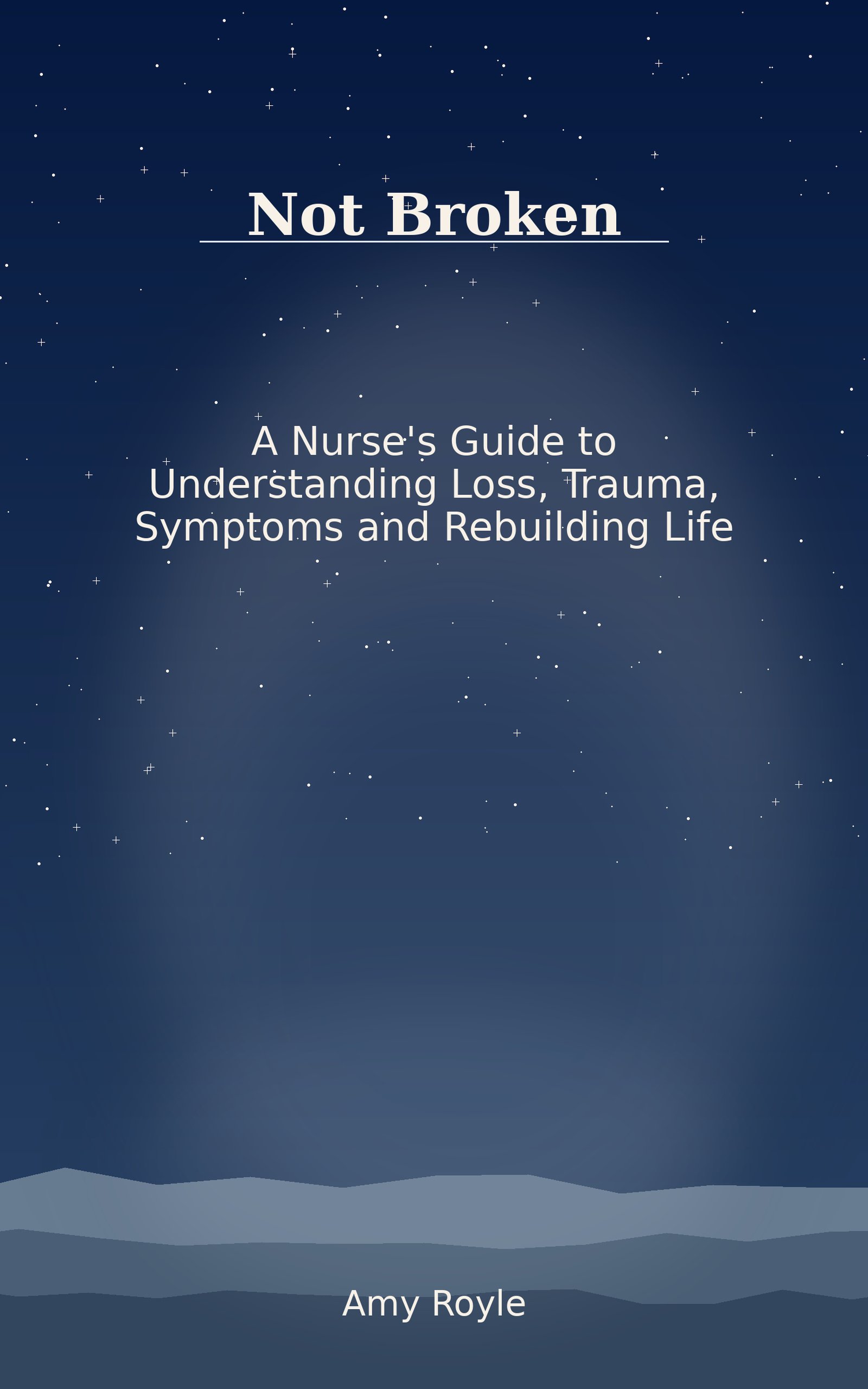
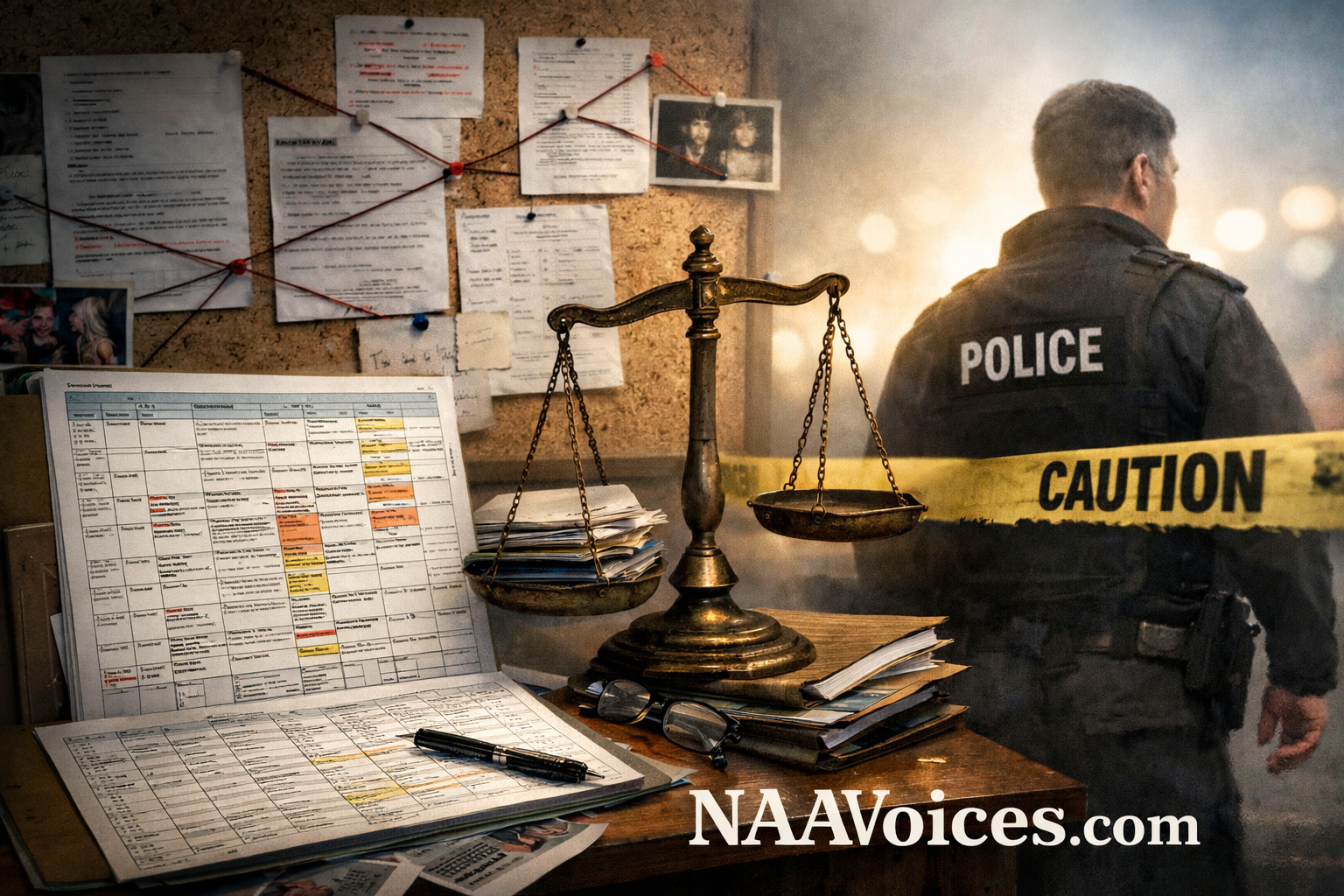
  • Day 3 of 8 The System That Kept Me Silent: Understanding the Architecture of Abuse

    Day 3 of 8 The System That Kept Me Silent: Understanding the Architecture of Abuse

    When I left, I was given a warning that would haunt me: “They will become disciples.”

    Those words came from someone who knew. Someone who’d watched the pattern before. Yet even with that warning ringing in my ears, I couldn’t fully grasp what was about to unfold. The same family who’d refused to house him for years would soon close ranks. They would platform his narrative.

    Abuse isn’t chaos. It’s architecture. It’s a deliberately constructed system. It is designed to manufacture doubt, recruit accomplices, and keep you questioning your own reality. It continues until silence feels safer than speaking.

    Today, I want to map that system for you. I do this not because every story is identical. I do this because seeing the blueprint helped me understand that what happened to me wasn’t random. It was engineered.

    The Manipulation Isn’t Love Gone Wrong, It’s Control Gone Right

    For years, I believed I was experiencing “messy love.” It’s the kind where passion and pain intertwine. Sometimes, the good days make you forget the bad ones. But abuse isn’t messy love. It operates exactly as designed, functioning as a control system.

    The manipulation started subtly. First, it was my own family I lost touch with. Not through any dramatic declaration, but through a thousand small discouragements. A sulk when I wanted to visit them. Escalating to being accused of ‘Snatching his son’, when I tried, returning home to an aggressive drunk. A crisis that always seemed to emerge just before family gatherings. Gradually, incrementally, my world shrank until his family became my only “family.”

    And that’s when the real work began.

    Manipulation in abuse follows a predictable pattern:

    • Engineer doubt: Every memory you have gets questioned. “That’s not what happened.” “You’re being dramatic.” “You always twist things.”
    • Control narratives: Your story gets rewritten before you even tell it. By the time you speak, they’ve already briefed the jury.
    • Manufacture isolation: When you question yourself and can’t trust your own narrative, who can you turn to? When “family” becomes your only support and they’re all hearing his version, where do you go?

    The mechanism worked so well that I self-policed. I edited my words before speaking them. I questioned my memories before trusting them. I silenced myself before anyone else had to.

    When Your Circle Becomes the Audience: The Disciple Effect

    The hardest truth I’ve had to accept is that some people don’t just watch abuse happen; they participate in it. They become what I now call “disciples.” These are active enablers. They don’t just look away. They actively work to maintain the abuser’s reputation and control.

    When I finally set boundaries, the family transformation was swift and coordinated. People who’d privately acknowledged his issues for years suddenly became his strongest advocates. They weren’t just neutral; they were recruiters.

    The roles they played were distinct but interconnected. I won’t go into depth about my experience here. At the end of the day, they remain my Child’s Grandparents. For my child’s sake, and for my child’s sake alone, I will not do that.

    I supported other victims. After hearing their stories with consent to share, here are some examples.


    • Enablers rationalise harm by reframing abuse as hardship, turning perpetrators into victims and survivors into burdens.
    • They minimise danger by insisting on neutrality, treating safety as a matter of opinion rather than a matter of urgency.
    • They redirect concern away from the survivor, casting doubt on her credibility, stability, or motives.
    • They isolate victims by quietly influencing mutual connections, eroding trust in every shared space.
    • They pressure survivors to reconcile, not for healing—but to preserve their own comfort, reputation, or routine.
    • They weaponise community, implying that protection is conditional and belonging must be earned through silence.
    • They avoid accountability by clinging to context, as if understanding the abuser’s past absolves their present harm.
    • They uphold the status quo by discouraging disruption, even when that status quo is built on the suffering of others.
    • They deflect responsibility by framing the survivor’s resistance as instability, bitterness, or a desire for revenge.
    • They demand forgiveness before safety, reconciliation before truth, and compliance before healing.
    • They confuse loyalty with complicity, choosing proximity to harm over proximity to justice.
    • They silence survivors not with threats, but with expectations: to be calm, kind, and quiet.
    • They protect the system that failed her—because confronting it would mean confronting their own role within it.

    The Threats That Trap: A Three-Pronged Prison

    Threats of abuse aren’t always explicit. They’re often implied, suggested, and demonstrated through the consequences faced by others who’ve tried to leave before. But whether spoken or shown, they serve one purpose: to make leaving feel more dangerous than staying.

    The threats came in three forms, each designed to trap a different part of me:

    Threats to me were about survival: Financial ruin. Custody weaponised before I even contemplated leaving. My professional reputation was threatened if I spoke to the police. That it would end in ‘Suicidal Madness’, Hopefully mine now his….

    Threats to himself were about guilt: The suicide threats that arrived whenever I drew a boundary. The health crises that emerged when I mentioned space. The self-harm that was somehow always my responsibility to prevent. These weren’t cries for help; they were control tactics designed to make me responsible for his choices.

    Threats to my world centred on the issue of belonging. I was already isolated from my own family. The threat of losing his family, too, felt like stepping off a cliff into complete abandonment. They were my child’s grandparents. They were my emergency contacts for help during the latest episode with him. They were people I loved and considered family. The threat wasn’t just losing him, it was losing everyone.

    Each threat type worked together to create a state of paralysis. Self-harm threats made me fear guilt. Social threats made me fear isolation. Together, they built a prison where staying felt like the only survivable option.

    The Pattern That Predicts: Your Escape Map

    It took me years to see it. Abuse follows a loop. It’s a predictable, repeatable pattern. Once recognised, it becomes your map to freedom. Here’s what I learned:

    Stage 1: Isolate. They distance you from your support system, making their network your primary or only “family.” It happens so gradually you don’t notice until you realise you haven’t seen your own family in months.

    Stage 2: Recruit. They turn bystanders into disciples through charm offensives, crisis stories, and selective truths. By the time you need support, everyone’s already been briefed on why you’re “difficult.”

    Stage 3: Test Compliance. Small boundaries get breached to gauge your tolerance. Each time you don’t react, the boundary retreats further.

    Stage 4: Punish/Pity Cycle Resist and face the smear campaign. Comply and get the pity play. Either way, they maintain control whilst appearing reasonable to onlookers.

    Stage 5: Entrap via Conditional Belonging. Your place in the “family” becomes conditional on accepting the abuse. Rock the boat and lose everything. Stay silent and keep your fragile belongings.

    Stage 6: Escalate at Exit. When you finally try to leave, everything intensifies. The disciples mobilise. The threats materialise. The “concern” for you becomes overwhelming. This is the extinction burst, the final attempt to regain control.

    Understanding this pattern gave me something crucial: the ability to predict what would happen next. When I finally left and the smear campaign began, I wasn’t surprised. When the family closed ranks, I was prepared. When the threats escalated, I had already documented everything.

    The Day I Stopped Debating My Safety

    The turning point often comes when survivors realise they are spending more energy justifying their need for safety. They use more energy on justification than actually pursuing it.

    Some try to preserve relationships for the sake of their children—only to find that access is conditional. Conditional on proximity to the person who caused harm. Conditional on silence. Conditional on tolerating DARVO tactics that rewrite history and discredit truth.

    Survivors describe how enablers stand beside the perpetrator, not out of ignorance, but despite knowing the patterns. Despite witnessing the harm. Despite understanding what he is capable of.

    They hoped others would prioritise a child’s well-being over the comfort of a familiar pattern. But instead, they watched those same people risk that child’s safety to preserve their own denial.

    Every conversation became a trial.
    Every boundary required a dissertation.
    Every protective decision needed committee approval from people who benefited from the survivor’s silence.

    The pushback was immediate and intense. But something remarkable happened:
    When survivors stopped engaging with the debates, those debates lost their power.
    When they stopped trying to convince people who didn’t want to be convinced, they found energy they’d forgotten they had.

    What Breaking Free Actually Looks Like

    Leaving isn’t a moment, it’s a process. It’s not just physically removing yourself; it’s untangling from a system designed to make leaving feel impossible.

    Here’s what I learned:

    Document everything. Every threat, every incident, every message. Not to convince others, but to remind yourself when the gaslighting makes you doubt your own experience.

    Reduce communication to one channel. Written only. No phone calls where words can be twisted. No doorstep confrontations where witnesses mysteriously “didn’t see anything.”

    Stop protecting their reputation. Their actions are not a secret to be kept. Speaking truth isn’t vengeance; it’s recovery.

    Accept the losses. I lost his family. I lost the future I’d imagined. But I gained something worth more: myself.

    Build forward, not back. I couldn’t return to who I was before. That person was gone. Instead, I built forward into who I could become.

    The Truth That Sets You Free

    Here’s what I wish someone had told me earlier: The family that enables abuse was never your family. The belonging that requires your silence was never real belonging. The love that costs you your safety was never love.

    When I was warned not to believe his family, I thought it meant they’d lie about him. What it actually meant was that they’d lie about me. They’d rewrite history. They’d erase their own knowledge of his patterns. They’d sacrifice my truth for their comfort.

    But here’s what else I learned: Their denial doesn’t diminish my truth. Their enabling doesn’t erase my experience. Their complicity doesn’t make me complicit in my own silencing.

    The system that kept me trapped was intricate, intentional, and intergenerational in nature. But systems can be dismantled. Patterns can be broken. And survivors, we can speak.

    Moving Forward: From Survivor to Advocate

    Today, I don’t just survive, I advocate. Through Nurse Against Abuse, I help others identify these patterns. I name the tactics. I validate the experiences. I remind survivors that what they’re experiencing isn’t chaos. it’s control. And control can be broken.

    If you recognise yourself in this story, know this:

    • Your confusion is not a coincidence; it’s manufactured
    • Your isolation is not circumstantial; it’s orchestrated
    • Your fear is not weakness; it’s a rational response to a real threat
    • Your desire to leave is not betrayal, it’s survival

    The system that keeps you trapped is counting on your silence. It’s banking on your shame. It’s investing in your isolation.

    But you’re reading this, which means you’re already on your way to breaking free. You’re seeing the pattern. You’re naming the system. You’re refusing to be silenced.

    And that—that is how we break the architecture of abuse. One voice, one story, one survivor at a time.


    If you’re experiencing abuse, you’re not alone. Contact the National Domestic Abuse Helpline on 0808 2000 247