Category: NAAVoices Mental Health Awareness

  • The Therapy Nature Gives Me

    The Therapy Nature Gives Me

    Therapy doesn’t always happen in a counselling room.

    Life is often a million miles an hour, and I’m regularly asked how I keep going or how I never seem to stop. The truth is, that’s the reality of living with ADHD and PTSD. Keeping busy is often how I cope. Silence leaves space for memories, and with PTSD, silence isn’t always peaceful.

    But when I need to reset, this is where I come. Somewhere natural. Somewhere that helps me ground myself.

    I’ve said it many times: the body remembers what the mind forgets. In reality, the mind doesn’t forget the events; it just loses track of time. The dates blur, the anniversaries become less obvious, and the conscious reminders fade. But the body still knows. It remembers long before the mind catches up.

    So for a few hours today, I’m choosing to appreciate life. To recognise everything we’ve survived, to be grateful for how far I’ve come, and simply to be present.

    I’m still here.

    The truth is, far too many people never get that chance.

  • The Hidden Pressure of GCSEs: Why Showing Up Is Enough

    The Hidden Pressure of GCSEs: Why Showing Up Is Enough

    We Had Cake. Because He Showed Up. | NAAVoices.com
    Mental Health & Advocacy

    We Had Cake. Because He Showed Up.


    He didn’t know I was proud before the results. So I made sure he did.

    This one is for all the kids sitting their GCSEs this week.

    Every single one of them.

    The pressure on young people now is enormous. Exams, expectations, social media, anxiety, mental health, comparison, pressure from every angle. It is not the same world many of us grew up in, and even then, it was hard enough.

    My eldest started his GCSEs this year. After his first three exams, I brought him home a cake.

    Because he sat them. That alone matters.

    He has struggled with academia his whole life. He has complex neurodevelopmental needs and has had an incredibly difficult 18 months with his mental health. He did not get the support he needed for years because he was not disruptive. He was not “naughty”, so his struggles were easier to miss.

    That invisibility is its own kind of harm. And it is far more common than people realise.

    Right now, one in five children in the UK has a probable mental health problem — more than double the rate recorded in 2017. Half of all mental health conditions first emerge by the age of 14. By the time a child reaches their GCSE years, many are already fighting battles that no exam board will ever measure or acknowledge. Nearly a third of 11 to 16 year olds with a mental health condition missed at least a week of school in 2023. Across the UK, over a quarter of children waiting for community mental health support are waiting the equivalent of an entire school term before anyone begins to help them. Here in Wales, around one in three children is waiting longer than a month to begin therapy even after completing their initial assessment.

    My son is one of those numbers. Or he would have been, if anyone had been counting.

    The system that was supposed to catch them, didn’t. And they sat their exams anyway.

    The scale of it — UK & Wales, 2024–25
    1 in 5
    children aged 8–25 has a probable mental health problem — up from 1 in 9 in 2017
    NHS Digital / YoungMinds
    50%
    of all mental health problems are established by age 14 — the very start of the GCSE journey
    Mental Health Foundation
    30%
    of 11–16 year olds with a mental health condition missed a week or more of school in 2023
    YoungMinds
    255,000
    children across the UK on a waiting list for community mental health care as of March 2025 — over a quarter waiting a full school term or longer
    NHS Benchmarking Network
    1 in 3
    children in Wales waited longer than a month to begin therapy after completing their initial mental health assessment (June 2025)
    Welsh Government / CAMHS data
    59%
    of young people said their mental health got worse while waiting for support
    YoungMinds

    There were people — adults, professionals — who questioned whether he would ever go back to school at all.

    He went back. He kept going. And this week, he sat his exams.

    This cake has nothing to do with results. It has everything to do with strength. The kind of strength that most people will never see, because it doesn’t look like winning. It looks like getting up when everything in you wants to stay down. It looks like walking through a door that nearly broke you, and walking through it anyway.

    But I want to say something else, because this post is for every child — not only the ones the world can see are struggling.

    If your child is predicted top grades, if they appear to be coping, if teachers say they are doing brilliantly — please do not assume they are fine. The pressure on high-achieving young people is immense in its own way. The weight of expectation, the fear of falling short of what everyone has decided they are capable of, the anxiety that one bad paper will undo everything — these are real. Perfectionism is not a personality trait to be admired in a teenager. It is often a sign that a young person does not feel safe enough to fail.

    Some of the most overwhelmed children sitting these exams this week will not look overwhelmed. They will hand in every paper. They will not miss a single day. And inside, they will be exhausted in ways nobody is thinking to ask about.

    The child who is struggling visibly needs your support. So does the child who isn’t.

    But I am proud of him.

    Not because of a grade on a piece of paper. Not because of what results day might bring. I am proud because he turned up, tried, and kept going.

    If he fails them all, I will still be proud of him. We will work out the next step together. His wellbeing, safety and happiness matter more than any exam result ever could.

    School is not the right environment for every child. Some children shine academically. Some shine elsewhere. Some are capable of extraordinary things that will never be measured sitting behind a desk.

    The child who cannot sit still in a classroom might be the one who builds something the world has never seen. The one who fails English might write something one day that changes someone’s life. Grades measure one narrow thing, on one particular day, under enormous pressure. They are not a verdict.

    So to every child sitting exams right now — the ones who are struggling, the ones who look like they are flying, and everyone in between: turning up counts. Trying counts. Surviving this season counts.

    And to every parent watching — the stress, the changes, the anxiety, the silence, the pressure: sometimes they need to know we are proud of them before we know the outcome.

    Last night, we had cake.
    Because he showed up.
    And that was enough.
    If you’re a young person reading this

    You are more than your results. You always have been. If you are struggling right now, please tell someone — a parent, a teacher, a GP, or a helpline. You do not have to carry this alone.

    If you’re a parent

    Tell them you’re proud before results day. They need to hear it now. And if something doesn’t feel right — trust that instinct.

    If you or a young person needs support right now: YoungMinds Crisis Messenger — text YM to 85258 (free, 24/7)
    Childline — 0800 1111 (free, 24/7)
    Samaritans — 116 123 (free, 24/7)
  • Bereavement Support Guide (UK): National Helplines and Local Services in Wrexham & Shropshire | NAAVoices

    Bereavement Support Guide (UK): National Helplines and Local Services in Wrexham & Shropshire | NAAVoices

    Bereavement Support Guide | Finding Help Through Grief

    Bereavement Support Guide

    Understanding Grief and Finding Help

    Grief is a natural response to loss, but it can be one of the most challenging experiences anyone faces. Whether you’ve lost a partner, child, parent, sibling, friend, or other loved one, the pain can feel overwhelming. Seeking support is not a sign of weakness—it’s a vital step toward healing.

    The Importance of Seeking Support After Loss

    Why Support Matters

    Bereavement affects everyone differently, but reaching out for help can:

    • Provide a safe space to express feelings without judgment
    • Reduce isolation by connecting you with others who understand
    • Help process complex emotions like guilt, anger, numbness, or despair
    • Offer practical guidance during a confusing and difficult time
    • Support your mental and physical health through the grieving process
    • Help children and young people understand and cope with their loss

    The Medical and Health Impact of Unresolved Grief

    Grief is not just an emotional experience—it has profound effects on your physical and mental health. Understanding these impacts can help you recognize when additional support may be needed.

    Physical Health Effects

    Bereavement can affect your body in significant ways:

    • Weakened immune system – making you more susceptible to illness
    • Sleep disturbances – insomnia, nightmares, or excessive sleeping
    • Appetite changes – loss of appetite or comfort eating
    • Fatigue and exhaustion – persistent tiredness even after rest
    • Physical pain – headaches, chest tightness, muscle tension
    • Increased risk of heart problems – studies show grief can increase cardiovascular stress
    • Digestive issues – nausea, stomach pain, changes in bowel habits

    Mental Health Considerations

    Grief can also significantly impact your mental wellbeing:

    • Depression – persistent sadness, hopelessness, loss of interest in life
    • Anxiety – excessive worry, panic attacks, fear of more loss
    • Post-traumatic stress – especially after sudden, traumatic, or violent death
    • Complicated grief – when grief becomes prolonged and debilitating
    • Suicidal thoughts – grief can trigger thoughts of self-harm or suicide
    • Substance misuse – using alcohol or drugs to numb emotional pain

    When Grief Becomes Complicated

    Most people gradually adjust to loss over time, but some experience complicated grief (also called prolonged grief disorder), which may include:

    • Intense yearning or longing that doesn’t diminish
    • Difficulty accepting the death months or years later
    • Preoccupation with the deceased or circumstances of death
    • Inability to resume daily activities or relationships
    • Feeling that life has no meaning or purpose

    If you recognize these symptoms, professional support can make a profound difference.

    Impact on Families and Relationships

    Grief affects not just individuals but entire family systems:

    Children and Young People

    • May show grief through behavior changes, school problems, or regression
    • Need age-appropriate explanations and consistent support
    • Benefit from specialized children’s bereavement services
    • May grieve differently than adults—in waves rather than continuously

    Partners and Spouses

    • May grieve differently from each other, causing relationship strain
    • Face practical challenges alongside emotional ones
    • May need support for “ambiguous loss” if relationship was complex
    • Benefit from peer support with others who’ve experienced similar loss

    Siblings

    • Often called “forgotten mourners”—their grief may be overlooked
    • May feel they need to be strong for parents
    • Need recognition of their unique relationship with the deceased
    • Benefit from sibling-specific support groups

    Parents Losing a Child

    • Experience one of the most devastating forms of loss
    • May face guilt, “what-ifs,” and profound identity shifts
    • Need long-term support from those who understand
    • Benefit from parent-specific bereavement groups

    Taking Care of Yourself While Grieving

    While grief is unavoidable, there are ways to support yourself through it:

    Practical Self-Care

    • Allow yourself to grieve – there’s no “right” way or timeline
    • Maintain routines where possible – regular meals, sleep, gentle exercise
    • Limit major decisions – avoid big life changes in early grief if possible
    • Accept practical help – let others cook, clean, or handle tasks
    • Be patient with yourself – grief comes in waves; bad days don’t mean you’re failing

    Emotional Self-Care

    • Talk about your loved one – sharing memories can be healing
    • Express emotions – through talking, writing, art, or physical activity
    • Connect with others – isolation can deepen grief
    • Honor your loved one – in ways that feel meaningful to you
    • Seek professional help if grief feels unmanageable

    For Children

    • Maintain stability – keep familiar routines and environments
    • Be honest – use clear, age-appropriate language (avoid euphemisms)
    • Encourage expression – through play, drawing, or conversation
    • Watch for changes – in behavior, school performance, or mood
    • Access specialized support – children’s bereavement services are invaluable

    If You’re in Crisis

    Samaritans: 116 123 (24/7, free)

    Text SHOUT: 85258 (24/7 crisis text line)

    Emergency: Call 999 or go to A&E if you’re in immediate danger

    National Support Services

    These services are available throughout the UK, regardless of where you live:

    CRUSE Bereavement Support

    The UK’s largest bereavement charity, offering support to anyone grieving.

    Phone: 0808 808 1677

    Website: www.cruse.org.uk

    Services: One-to-one support, group sessions, phone and online help, Hope Again for young people

    Child Bereavement UK

    Supporting families when a child dies or when a child is bereaved.

    Phone: 0800 02 888 40

    Website: www.childbereavementuk.org

    Services: Support for families, resources for professionals, training

    Winston’s Wish

    Free support for children, young people, and families after someone dies.

    Phone: 08088 020 021

    Text: 07860 062 176

    Website: www.winstonswish.org

    Services: Live chat, WhatsApp support, practical resources (ages 0–25)

    The Good Grief Trust

    UK-wide signposting to over 1,000 local and specialist bereavement services.

    Website: www.thegoodgrieftrust.org

    Services: Comprehensive directory, help finding the right support

    The Compassionate Friends

    Supporting bereaved parents, siblings, and grandparents after a child dies (any age).

    Helpline: 0345 123 2304

    Website: www.tcf.org.uk

    Services: Peer support groups, sibling support, retreats, online forum

    Survivors of Bereavement by Suicide (SOBS)

    For anyone over 18 affected by suicide.

    Helpline: 0300 111 5065

    Website: uksobs.org

    Services: Peer support groups, phone support, email support

    Widowed and Young (WAY)

    Peer support for anyone widowed under age 51.

    Website: www.widowedandyoung.org.uk

    Services: Online community, local groups, events

    Sands (Stillbirth and Neonatal Death Charity)

    Supporting anyone affected by pregnancy loss or baby death.

    Helpline: 0808 164 3332

    Website: www.sands.org.uk

    Services: Support groups, online forum, befriending

    ANDYSMANCLUB

    Men’s peer support groups (18+) meeting weekly for those struggling with grief, mental health, or life challenges.

    Website: andysmanclub.co.uk

    Meetings: Mondays at 7pm (groups in Oswestry, Telford, Shrewsbury, and nationwide)

    AtaLoss

    National signposting website helping you find bereavement support.

    🔵 SHROPSHIRE

    Shropshire – Bereavement Services (All Ages)

    Shropshire Mental Health Support – Bereavement Services

    Comprehensive bereavement support including suicide bereavement, crime-related death, accidents, disasters, peer groups for widows/widowers, and child loss support.

    Website: www.shropshiremhs.com

    Services: Support groups, virtual groups, helpline, specialized trauma support, Jolly Dollies, WAY-Up (widows/widowers support)

    Shropshire Council – Bereavement Support

    Local signposting, emotional support, and help with practical matters after a death.

    Phone: 0345 678 9028 (First Point of Contact)

    Website: next.shropshire.gov.uk/bereavement-support

    Services: All-ages support, suicide bereavement service, telephone triage

    Shropshire Council – Bereavement Services (Practical)

    Guidance for funerals, burials, cremation, registering deaths, and legal processes.

    Website: www.shropshire.gov.uk/bereavement-services

    Services: Practical information, registrar services, coroner information

    Shropshire Grief Tending CIC

    Community-based grief support across multiple Shropshire locations.

    Website: www.shropshiregrieftending.com

    Locations: Shrewsbury, Wem, Telford, Ludlow

    Services: Weekly grief cafés, grief tending walks, suicide-specific support groups, family sessions, one-to-one sessions

    2026 expansion: “Holding Grief, Growing Hope” – new cafés opening across Shropshire

    Shrewsbury Bereavement Group (CIC)

    Monthly peer support meetings across Shropshire.

    Phone: 07932 513880

    Website: shropshirebereavement.group

    Meeting locations: Shrewsbury Castlefields, Emstrey Crematorium, Telford Lawley Hub, Oswestry Memorial Hall

    Services: All-ages welcome, peer support, monthly gatherings

    Qube Oswestry

    Community signposting for mental health and bereavement support.

    Website: qube-oca.org.uk/mental-health-and-bereavement-support

    Services: Local resource directory, helpline information

    Caritas Shrewsbury

    Therapeutic bereavement support for adults experiencing complex grief.

    Website: dojustice.co.uk/caritas-shrewsbury

    Services: Therapeutic groups, mindfulness groups, participant-led sessions

    Hope House Children’s Hospice / Tŷ Gobaith

    Specialist bereavement support for families after the death of a baby, child, or young person (under 25).

    Website: www.hopehouse.org.uk

    Coverage: Shropshire, Cheshire, Mid & North Wales

    Services: Specialist counselling for parents, siblings, and extended family, bereavement support groups, memory making, ongoing emotional support

    Cruse Bereavement Support – Shropshire, Telford & Wrekin

    Local branch of the national charity.

    Website: www.cruse.org.uk

    Services: One-to-one support, group sessions, children’s services (Hope Again), telephone and online support

    2 Wish Cymru (now serving Shropshire)

    Specialist support after the sudden death of a child or young person (ages 0–25).

    Website: 2wish.org.uk

    Who they support: Parents, siblings, grandparents, partners, witnesses, professionals

    Services: Crisis support, memory boxes, counselling, community peer support groups, practical guidance

    New in 2024: Expanded services into Shropshire

    Telford & Wrekin Community Support Groups

    Directory of local support groups including bereavement-specific groups.

    🔵 NORTH WALES

    Betsi Cadwaladr (North Wales) – Bereavement Services

    BCUHB Bereavement Information for Adults, Children & Young People

    Main NHS portal for bereavement support across North Wales.

    Website: bcuhb.nhs.wales/bereavement-information

    Services: Adult bereavement guidance, child and young person resources, practical information (registering deaths, funeral directors), signposting to local and national services

    BCUHB Palliative, End-of-Life & Bereavement Care

    Comprehensive palliative and bereavement pathways for adults and children.

    Website: bcuhb.nhs.wales/palliative-end-of-life-and-bereavement-care

    Services: Care planning, end-of-life support, bereavement follow-up

    BCUHB Baby Loss & Snowdrop Bereavement Team

    Specialist service for pregnancy and neonatal loss (up to 28 days).

    Website: bcuhb.nhs.wales/baby-bereavement-service

    Hours: Monday–Friday, 9am–5pm

    Services: Midwife-led support, home visits, memory making (photos, handprints, memory boxes), funeral guidance, referrals to counselling, charity links

    Coverage: All North Wales hospitals

    BCUHB Hospital Bereavement Offices

    Based at major hospitals across North Wales.

    Locations: Wrexham Maelor Hospital, Glan Clwyd Hospital, Ysbyty Gwynedd

    Website: bcuhb.nhs.wales/bereavement-services

    Services: Viewing arrangements, certificates, practical guidance, referrals

    Marie Curie Wales – Bereavement Information & Support Service

    Free bereavement support available across North Wales.

    Website: www.mariecurie.org.uk/wales-bereavement-support

    Services: Free counselling, support groups, one-to-one telephone support, information resources

    The Rainbow Foundation – Wrexham

    Community bereavement support groups.

    Website: therainbowfoundation.org.uk/bereavement-support

    Meeting locations: Wellbeing Hub (Wrexham), Piercy Hall (Marchwiel), Gwersyllt Resource Centre

    Services: Peer support groups, community connections

    Tom Owen & Son – Conwy / Llandudno

    Funeral directors offering bereavement support services.

    Website: tomowenandson.com/bereavement-help

    Services: “Coffee Connection” bereavement meetups (Colwyn Bay, Llandudno), free grief counselling (via North Wales Reflections)

    Cruse Wales

    Welsh branches of national bereavement charity.

    Website: www.cruse.org.uk

    Services: Group support, one-to-one counselling, Hope Again (children’s support)

    2 Wish Cymru

    Specialist support after sudden death of a child or young person (0–25).

    Website: 2wish.org.uk

    Coverage: All of Wales including North Wales

    Services: Crisis support, counselling, peer groups, memory boxes, practical help

    Sands – Wales Groups

    Support after miscarriage, stillbirth, or neonatal death.

    Website: www.sands.org.uk

    Services: Local support groups, online forum, helpline, befriending

    S4C Bereavement Directory

    Wales-wide signposting resource.

    Website: www.s4c.cymru/loss-and-bereavement

    Services: Links to Dying Matters, The Compassionate Friends, Rosie Crane Trust, Cruse Wales

    Finding the Right Support for You

    For Parents Who Have Lost a Child

    • Hope House Children’s Hospice (Shropshire & North Wales)
    • 2 Wish Cymru (sudden death, ages 0–25)
    • The Compassionate Friends (national)
    • Child Bereavement UK (national)
    • Sands (pregnancy and baby loss)

    For Children and Young People

    • Winston’s Wish (ages 0–25, national)
    • Hope House Children’s Hospice (under 25)
    • 2 Wish Cymru (siblings, ages 0–25)
    • Child Bereavement UK
    • Cruse Hope Again (children’s service)

    For Siblings

    • The Compassionate Friends (sibling support)
    • 2 Wish Cymru
    • Hope House Children’s Hospice

    After Suicide

    • Shropshire Mental Health Support – Suicide Bereavement
    • Shropshire Grief Tending CIC (suicide-specific groups)
    • Survivors of Bereavement by Suicide (SOBS, national)
    • Shropshire Council Suicide Bereavement Service

    For Widows and Widowers

    • Widowed and Young (under 51, national)
    • Shropshire Mental Health Support (Jolly Dollies, WAY-Up groups)
    • Cruse (all ages)

    After Pregnancy or Baby Loss

    • BCUHB Snowdrop Bereavement Team (North Wales)
    • Sands (national and Wales groups)
    • Hope House Children’s Hospice

    For Men

    • ANDYSMANCLUB (men’s peer support, Mondays 7pm)
    • Cruse (all genders)
    • Shropshire Grief Tending CIC

    For Community and Peer Support

    • Shropshire Grief Tending CIC (grief cafés and walks)
    • Shrewsbury Bereavement Group (monthly meetings)
    • The Rainbow Foundation (Wrexham area)
    • Tom Owen & Son Coffee Connection (Conwy/Llandudno)

    Important Reminders

    You Are Not Alone

    Thousands of people across Shropshire, North Wales, and the UK are grieving right now. Support is available, and reaching out is a sign of strength.

    There’s No “Right” Way to Grieve

    Everyone’s grief journey is unique. Don’t compare yourself to others or worry about doing it “wrong.”

    It’s Never Too Late to Seek Support

    Whether your loss was recent or years ago, support services are available whenever you’re ready.

    You Don’t Have to Do This Alone

    Professional support, peer groups, and counselling can provide the space and understanding you need to process your grief.

    How to Use This Guide

    1. Identify your needs: Are you looking for peer support, professional counselling, practical help, or children’s services?
    2. Choose services that fit: Local groups offer community connection; national helplines offer immediate support; specialist services support specific types of loss
    3. Contact multiple services if needed: You can access several types of support at once
    4. Be patient: Finding the right fit may take time, and that’s okay
    5. Keep this information: Share it with family members, friends, or healthcare providers who can help you access support
  • Understanding Types of Neurodiversity
Exploring the natural variation in how human brains process information, communicate, and experience the world

    Understanding Types of Neurodiversity Exploring the natural variation in how human brains process information, communicate, and experience the world

    Types of Neurodiversity | NAAVoices.com

    Understanding Types of Neurodiversity

    Exploring the natural variation in how human brains process information, communicate, and experience the world

    Survivor-led | Neuro-affirming | Evidence-informed

    What is Neurodiversity?

    Neurodiversity is the understanding that human brains and minds naturally differ from one another. Just as biodiversity describes the variety of life on Earth, neurodiversity recognises the natural variation in how people think, learn, process information, and experience the world.

    Australian sociologist Judy Singer coined the term in the 1990s, representing a shift from viewing neurological differences as deficits to recognising them as natural variations of human neurology. This perspective acknowledges that conditions such as autism, ADHD, dyslexia, dyspraxia, dyscalculia, and others are not disorders to be cured, but different ways of being that come with both challenges and strengths.

    The neurodivergent brain is not broken. The environments and expectations placed upon them often are.

    🧩
    Autism Spectrum Condition

    Autism

    A lifelong neurodevelopmental difference characterised by variations in brain structure, connectivity, and function that affect how individuals process sensory information, communicate, navigate social situations, and experience the world.

    Autism exists across a spectrum, meaning presentation varies significantly between individuals and across the lifespan. No two autistic people are the same.

    Common Characteristics

    • Sensory differences (hyper or hypo-sensitivity to stimuli)
    • Need for predictability and routine
    • Communication differences (literal interpretation, preference for clarity)
    • Social fatigue from interaction demands
    • Intense, focused interests in specific topics
    • Pattern recognition and systematic thinking
    • Attention to detail others may miss
    • Honesty and direct communication
    ⚡
    Attention Deficit Hyperactivity Disorder

    ADHD

    A neurodevelopmental condition characterised by differences in brain structure, neurochemistry, and connectivity that affect executive function, attention regulation, impulse control, and activity levels.

    ADHD manifests in three presentations: predominantly inattentive, predominantly hyperactive-impulsive, and combined presentation.

    Common Characteristics

    • Difficulty sustaining focus on routine tasks
    • Restlessness and internal sense of being “driven”
    • Impulsivity in decisions and actions
    • Executive dysfunction (planning, organising, initiating tasks)
    • Hyperfocus on tasks of high interest
    • Time blindness and difficulty with deadlines
    • Emotional dysregulation and intensity
    • Creativity and innovative thinking
    📖
    Specific Learning Difference

    Dyslexia

    A neurological difference that primarily affects reading, writing, spelling, and sometimes speaking. Dyslexia is characterised by difficulties with accurate and fluent word recognition, poor spelling, and decoding abilities.

    These difficulties typically result from a deficit in the phonological component of language and are often unexpected in relation to other cognitive abilities. Dyslexia affects approximately 10% of the population.

    Common Characteristics

    • Difficulty with phonological awareness (connecting sounds to letters)
    • Slow or inaccurate reading despite adequate intelligence
    • Challenges with spelling and written expression
    • Difficulty with rapid naming of familiar objects
    • Problems with working memory for verbal information
    • Exceptional visual-spatial reasoning abilities
    • Strong creative and problem-solving skills
    • Ability to see “big picture” connections
    🎯
    Developmental Coordination Disorder

    Dyspraxia

    A neurological condition affecting physical coordination, movement planning, and organisation. Dyspraxia impacts the ability to plan and coordinate physical movements, making everyday activities that others find simple potentially challenging.

    Also known as Developmental Coordination Disorder (DCD), dyspraxia affects fine motor skills (writing, buttoning), gross motor skills (sports, balance), and often organisational and planning abilities.

    Common Characteristics

    • Difficulty with fine motor skills (handwriting, using cutlery)
    • Challenges with gross motor skills (catching, balance)
    • Poor spatial awareness and perception
    • Difficulty following multi-step instructions
    • Challenges with organisation and time management
    • Sensitivity to sensory stimuli
    • Strong verbal communication skills
    • Creative thinking and empathy
    🔢
    Mathematical Learning Difference

    Dyscalculia

    A specific learning difference affecting mathematical understanding and number processing. Dyscalculia involves difficulty understanding number concepts, number relationships, and struggles with mathematical reasoning and calculation.

    Often called “maths dyslexia,” dyscalculia is a neurological condition affecting the areas of the brain responsible for processing numbers and mathematical concepts, affecting approximately 5-7% of the population.

    Common Characteristics

    • Difficulty understanding number concepts and relationships
    • Struggles with basic arithmetic (addition, subtraction)
    • Difficulty with mental maths calculations
    • Problems understanding mathematical symbols and operations
    • Challenges with time management and reading clocks
    • Difficulty with money management and financial concepts
    • Strong verbal and creative abilities
    • Often strong intuition and holistic thinking

    Recognising Neurodivergent Strengths

    Neurodivergent individuals often possess remarkable strengths that are valuable in personal, educational, and professional contexts. These strengths are not despite their neurodivergence, but often because of the unique way their brains process information.

    Pattern Recognition

    Enhanced ability to identify patterns, sequences, and logical systems—valuable in fields such as mathematics, programming, engineering, and data analysis.

    Creative Innovation

    Exceptional creativity, innovative thinking, and unconventional problem-solving approaches. Ability to see connections others miss and generate novel solutions.

    Hyperfocus & Expertise

    Periods of intense concentration when engaged with topics of interest, leading to remarkable productivity and deep levels of expertise in specific areas.

    Visual-Spatial Thinking

    Enhanced visual-spatial abilities allowing excellence in fields such as architecture, design, engineering, and the arts. Thinking in pictures rather than words.

    Attention to Detail

    Noticing details others overlook and maintaining high standards for accuracy and quality—invaluable in fields requiring meticulous attention.

    Authentic Communication

    Remarkable directness and honesty in communication. Authenticity that builds trust and cuts through ambiguity in professional and personal relationships.

    Holistic Thinking

    Ability to see “big picture” connections and think holistically about problems, bringing fresh perspectives to complex challenges.

    Resilience & Determination

    Having navigated a world not designed for their neurological differences, neurodivergent individuals often develop exceptional resilience and determination.

    Understanding Support Needs

    While neurodivergent individuals have many strengths, they may require specific supports to navigate a world predominantly designed for neurotypical functioning. Understanding these needs is essential for creating inclusive environments.

    Sensory Accommodations

    Many neurodivergent people experience sensory differences, being over- or under-sensitive to sounds, lights, textures, smells, or tastes.

    • Sensory-friendly environments with adjustable lighting
    • Noise-cancelling headphones and quiet spaces
    • Permission to use fidget tools or movement breaks
    • Choice over seating position and proximity to sensory triggers

    Clear Communication

    Direct, explicit communication without implied meanings or social subtext helps many neurodivergent individuals understand expectations.

    • Written instructions alongside verbal communication
    • Visual schedules and step-by-step instructions
    • Clear advance notice of changes to routine
    • Explicit expectations without “reading between the lines”

    Structure & Predictability

    Predictable routines and advance warning of changes help many neurodivergent people feel secure and manage anxiety.

    • Consistent daily structures and routines
    • Visual organisers, checklists, and timers
    • Advance notice of changes with explanations
    • Breaking down large tasks into manageable steps

    Time & Processing Support

    Additional time for processing information, completing tasks, or responding to questions can be crucial.

    • Extended time for exams and assignments
    • Flexible deadlines where possible
    • Patience during conversations and processing time
    • Tools to externalise time (visual timers, clocks)

    Executive Function Support

    Many neurodivergent individuals benefit from support with planning, organisation, time management, and task initiation.

    • Visual organisers and planning tools
    • Checklists and reminder systems
    • Task breakdown and step-by-step guidance
    • Regular check-ins without judgment

    Learning Accommodations

    Specific accommodations can make significant differences in educational and professional settings.

    • Assistive technology (text-to-speech, speech-to-text)
    • Alternative assessment methods
    • Multi-sensory learning approaches
    • Access to written materials in advance
  • NAAVoices.com I Need Support With… Neurodiversity A plain-English guide for England & Wales

    NAAVoices.com I Need Support With… Neurodiversity A plain-English guide for England & Wales

    I Need Support With… Neurodiversity (England & Wales) | NAAVoices.com

    I Need Support With… Neurodiversity

    A plain-English guide for England & Wales

    Prepared: 03 January 2026

    Section 1 — I Think I’m Autistic

    What that means (plain English)

    Autism is a neurodevelopmental difference that affects how people process information, communicate, and experience sensory input. It is not a defect; it is a different way of thinking and sensing. The goal is access, not “fixing”.

    💡 Good to know

    Many autistic people are diagnosed later in life, particularly women and those who have learnt to mask their differences. There is no “wrong” time to seek understanding.

    Communication & social interaction

    • Preferring clear, literal language; missing hints or sarcasm
    • Finding small talk draining; enjoying deep, specific topics
    • Needing longer processing time before responding

    Sensory & environment

    • Over- or under-sensitivity to sound, light, touch, or smell
    • Needing predictable routines; distress with sudden change
    • Regulation through stimming (movement, fidgets, repetition)

    Thinking style & interests

    • Focused interests/hyperfocus; detail-oriented thinking
    • Difficulty switching tasks; fatigue after social demands

    Key resources

    Steps to follow

    1. Book a GP appointment and request an autism assessment.
    2. Bring a one-page impact summary with 3–5 everyday examples.
    3. Children: referral to community paediatrics or neurodevelopmental services.
    4. Adults: referral to local adult autism service.
    5. England: ask about current Right to Choose options.
    6. Wales: schools use ALN/IDP; healthcare referrals via GP.
    • One-page symptom impact summary
    • 2–4 week diary of challenges and patterns
    • School/college notes or workplace observations
    • Any developmental history (if available)

    Communication

    • Ask for written instructions or agendas in advance
    • Request extra processing time in meetings
    • Use email for complex topics rather than impromptu discussions

    Sensory needs

    • Use noise-cancelling headphones or ear defenders
    • Request a desk away from bright lights or high-traffic areas
    • Take regular sensory breaks

    School/college

    • Request a quiet space for exams or study
    • Ask for advance notice of changes to timetables
    • Use visual schedules and reminders

    Workplace

    • Request flexible working patterns
    • Ask for clear, written expectations
    • Use calendar reminders and task lists

    Self-Reflection Quiz

    This is for self-understanding only — it is not a diagnostic tool.

    1. Do you prefer clear, direct communication over hints or implied meanings?

    2. Do you experience strong reactions to sensory input (sounds, lights, textures)?

    3. Do you have specific interests that you focus on deeply?

    Your Reflection

    These responses are for your own self-understanding. If several of these experiences resonate strongly with you, it may be worth exploring further through the assessment pathway above.

    Remember: self-identification is valid, and seeking formal assessment is a personal choice.

    ➡️ Next Steps

    • Review the evidence checklist in the Evidence Pack section
    • Use the GP referral template in the Templates section
    • Start a 2-week diary of your experiences
    • Connect with autistic-led communities for peer support

    Section 2 — I Think I Have ADHD

    What that means

    ADHD (Attention Deficit Hyperactivity Disorder) affects attention regulation, impulse control, and activation. It is a difference in how the brain prioritises and moves between tasks. ADHD is not about lacking attention—it’s about regulating attention.

    ℹ️ Note

    ADHD presents differently across people. Some experience primarily inattentive symptoms, others hyperactive-impulsive symptoms, and many a combination of both.

    Inattention

    • Difficulty sustaining focus on tasks that don’t interest you
    • Frequently losing items or forgetting appointments
    • Being easily distracted by external stimuli or internal thoughts
    • Making careless mistakes in work or daily tasks
    • Difficulty following through on instructions or finishing tasks

    Hyperactivity & impulsivity

    • Feeling restless or needing to move frequently
    • Talking excessively or interrupting others
    • Difficulty waiting your turn
    • Acting on impulse without considering consequences
    • Fidgeting or feeling internal restlessness

    Executive function

    • Difficulty starting tasks (task initiation)
    • Poor sense of time passing (time blindness)
    • Challenges with organisation and planning
    • Working memory difficulties
    • Emotional dysregulation

    Key resources

    Steps to follow

    1. Request an ADHD assessment via your GP.
    2. Bring an impact diary and school/work evidence.
    3. Children: referral to paediatrics or CAMHS/ND services.
    4. Adults: referral to adult ADHD service.
    5. England: ask about Right to Choose options.
    6. Wales: GP referral + ALN/IDP support in education.

    Activation strategies

    • Body doubling (working alongside others, even virtually)
    • Breaking tasks into tiny, concrete steps
    • Using external motivation (deadlines, accountability partners)
    • Starting with the easiest part of a task

    Time management

    • Visual timers and alarms
    • Time-blocking with buffer periods
    • Using “now, not now” systems rather than complex scheduling

    Workplace adjustments

    • Flexible working hours
    • Regular check-ins rather than end-of-project reviews
    • Permission to use headphones
    • Standing desk or opportunity to move

    Self-Reflection Quiz

    This is for self-understanding only — it is not a diagnostic tool.

    1. Do you often struggle to start tasks, even ones you want to do?

    2. Do you frequently lose track of time or underestimate how long things take?

    3. Do you experience intense focus on interesting activities but struggle with less engaging ones?

    Your Reflection

    These responses are for your own self-understanding. If several of these experiences significantly impact your daily life, it may be worth discussing with your GP.

    ADHD assessment considers how symptoms affect you across different areas of life.

    ➡️ Next Steps

    • Start an impact diary tracking challenges over 2–4 weeks
    • Gather any school reports mentioning concentration
    • Use the GP referral template in the Templates section
    • Try some of the “what helps” strategies while waiting

    Section 3 — Learning Differences

    Dyslexia, Dyspraxia/DCD, Dyscalculia

    Dyslexia primarily affects reading, writing, and spelling. It is not related to intelligence. People with dyslexia may process written language differently, often showing strengths in verbal reasoning and creative thinking.

    Indicators

    • Reading slowly or with effort
    • Spelling inconsistently
    • Difficulty copying accurately
    • Strong verbal skills but written work doesn’t reflect ability

    Dyspraxia (also called DCD) affects motor coordination and planning. It can impact fine motor skills, gross motor skills, and motor planning.

    Indicators

    • Difficulty with handwriting, often slow or illegible
    • Challenges with physical coordination and balance
    • Trouble learning new motor skills
    • Challenges with organisation and planning sequences

    Dyscalculia affects numerical understanding and mathematical reasoning. Like dyslexia, it is not related to intelligence.

    Indicators

    • Difficulty understanding number concepts
    • Trouble with mental arithmetic
    • Challenges remembering mathematical procedures
    • Difficulty with time, money, and measurement

    Key resources

    School/College (England)

    1. Speak to the school SENCO.
    2. Request assessment through school or educational psychologist.
    3. School should provide SEN Support without formal diagnosis.
    4. For significant needs, request EHCP assessment.

    Adults & Higher Education

    1. Contact your university’s disability service for assessment.
    2. Apply for Disabled Students’ Allowance (DSA).
    3. DSA can fund specialist equipment and study support.

    Assistive technology

    • Text-to-speech software
    • Speech-to-text for writing
    • Reading rulers and coloured overlays
    • Mind-mapping software

    Assessment adjustments

    • Extra time in exams (usually 25%)
    • Use of a reader or scribe
    • Alternative assessment formats
    • Coloured paper or screen backgrounds

    ➡️ Next Steps

    • Contact your school’s SENCO/ALNCo or university disability service
    • Explore DSA if you’re in higher education
    • Try assistive technology — many options are free
    • Use the school/college request template

    Section 4 — Templates (Copy-Ready)

    These templates can be adapted to your situation. Replace the bracketed text with your specific details.

    📋 GP Referral Request
    Dear [GP Name/Practice],I am writing to request a referral for [autism/ADHD/neurodevelopmental] assessment.I have been experiencing difficulties with [brief summary — e.g., focus and organisation / social communication and sensory processing] that significantly impact my daily life.Key areas of difficulty include: • [Example 1 — e.g., I struggle to maintain focus on tasks] • [Example 2 — e.g., I find it very difficult to start tasks] • [Example 3 — e.g., I feel overwhelmed in busy environments]These difficulties have been present [since childhood / for as long as I can remember] and affect my [work/education/relationships/daily functioning].I have attached a summary of my experiences. I would also like to discuss Right to Choose options if available.Yours sincerely, [Your Name] [Date of Birth] [NHS Number if known]
    📋 School/College Adjustments Request
    Dear [SENCO/ALNCo/Tutor Name],I am writing to discuss support for [my child, Name / myself] who [is awaiting assessment for / has characteristics of] [autism/ADHD/dyslexia/other].Current difficulties include: • [Example 1 — e.g., difficulty concentrating in busy environments] • [Example 2 — e.g., challenges with written work] • [Example 3 — e.g., need for routine and advance notice of changes]We would like to request a meeting to discuss: • What support can be put in place now • How needs can be monitored and reviewed • What the assessment pathway looks likeAdjustments that would help include: • [Suggestion 1 — e.g., seating at the front] • [Suggestion 2 — e.g., written instructions alongside verbal] • [Suggestion 3 — e.g., extra time for processing]Yours sincerely, [Parent/Carer Name or Student Name] [Date]
    📋 Workplace Adjustments Request
    Dear [Manager/HR Contact],I am writing to discuss reasonable adjustments that would help me work effectively. I [have been diagnosed with / am awaiting assessment for / identify as having] [autism/ADHD/dyslexia/other].This affects me in the following ways at work: • [Example 1 — e.g., difficulty filtering background noise] • [Example 2 — e.g., challenges with task prioritisation] • [Example 3 — e.g., need for clear, written instructions]Adjustments that would help me perform at my best include: • [Adjustment 1 — e.g., permission to use headphones] • [Adjustment 2 — e.g., written agendas before meetings] • [Adjustment 3 — e.g., flexible working hours]I would welcome a conversation about how we can work together.Yours sincerely, [Your Name] [Date]
    💡 Tip

    Keep a copy of all correspondence. Follow up verbal conversations with an email summarising what was discussed.

    Section 5 — Evidence Pack (Checklist)

    Gathering evidence strengthens your case for assessment and support. Not everything will apply — collect what’s relevant.

    Personal documentation

    • One-page impact summary (3–5 concrete examples)
    • 2–4 week diary of difficulties and patterns
    • Timeline of when you first noticed difficulties
    • List of strategies you’ve tried

    Childhood/developmental history

    • School reports (comments about behaviour, concentration)
    • Any previous assessments or reports
    • Parent/carer observations (written statement)
    • Developmental milestones if known

    Current impact

    • Examples of impact on work or education
    • Examples of impact on relationships
    • Examples of impact on daily living
    • Partner/family/colleague observations

    Professional evidence

    • Letters from previous healthcare providers
    • Occupational health reports
    • Educational psychology assessments

    Section 6 — Important Notes

    ⚠️ Please read

    This resource is for information and self-understanding only. It does not constitute medical advice, diagnosis, or treatment.

    About this resource

    • This is educational, not diagnostic. The quizzes here are designed to help you understand yourself better — they cannot replace professional assessment.
    • Self-identification is valid. Many neurodivergent people find understanding without or before formal diagnosis.
    • Pathways vary. Assessment availability and processes differ across England and Wales, and change over time.

    Your rights

    • You have the right to request assessment and to be taken seriously
    • You can ask for reasonable adjustments without a formal diagnosis
    • In England, you have the Right to Choose for some mental health assessments
    • You can request copies of your medical records and reports

    If you’re struggling

    • Take breaks — this doesn’t have to be done all at once
    • Ask someone you trust to help with paperwork
    • Connect with neurodivergent communities for peer support
    • Remember that your experiences are valid regardless of diagnosis
    💡 Remember

    You are not broken. You are not “too much” or “not enough”. Neurodivergent brains work differently, and understanding how yours works is a form of self-care.

    You’ve taken an important step

    Seeking understanding about how your brain works takes courage. Whether you’re at the beginning of this journey or well along the path, know that you deserve support, accommodations, and acceptance.

    This resource was created to make navigating these systems a little easier. You don’t have to do this alone.

  • Supporting Neurodivergent Individuals: Multi‑Agency Guidance and Pathways for Health, Education and Social Care

    Supporting Neurodivergent Individuals: Multi‑Agency Guidance and Pathways for Health, Education and Social Care

    NAAVoices – Neurodiversity-Affirming Guidance & UK Support Pathways

    Choose Your Path

    Neurodiversity-Affirming Guidance for Real Life

    UK pathways, evidence-based strategies, and ready-to-use templates — built to help you communicate needs, access support, and reduce harm from misunderstandings.

    About the Creator

    Built from Professional & Lived Experience

    I’m neurodivergent (ADHD, dyspraxia, dyslexia) and a Specialist Nurse Practitioner with a PGCert in Psychology & Neuroscience of Mental Health. This hub translates complexity into practical, respectful steps, enabling people to communicate their needs, access support, and reduce harm from misunderstandings.

    Privacy commitment: Names and identifying details are never shared.

    Choose Your Path

    Select your role for tailored guidance

    For Parents & Carers

    Navigate school support, healthcare pathways, and your child’s rights

    England: Getting School Support (SEND)

    Step-by-Step Process

    1. Ask for SEN Support now — You don’t need a diagnosis. Put your request in writing to the SENCO (Special Educational Needs Coordinator).
    2. Agree on reasonable adjustments — The school must make changes to remove barriers (e.g., visual timetables, movement breaks, quiet spaces).
    3. Get a written plan — Request an SEN Support Plan or provision map detailing what support will be provided, by whom, and when.
    4. If needs are significant/long-term, request an EHC needs assessment — This formal assessment can lead to an Education, Health and Care Plan with legally binding provision.
    5. Review termly — Insist on regular reviews with measurable outcomes.
    Key Legislation (England)

    Get help: IPSEA provides free legal advice for parents.

    Wales: Getting School Support (ALN)

    Step-by-Step Process

    1. Request an ALN assessment — Contact the school’s Additional Learning Needs Coordinator (ALNCo) in writing.
    2. Agree on an Individual Development Plan (IDP) — This must include specific adjustments, provision, and outcomes.
    3. Review frequently — IDPs must be reviewed regularly and updated as needs change.
    Key Legislation (Wales)

    Get help: SNAP Cymru provides free support for Welsh families.

    Getting a Healthcare Assessment

    ADHD & Autism Referrals

    1. Book a GP appointment — Request a referral to your local neurodevelopmental assessment service.
    2. Prepare your evidence — Keep an impact diary showing how differences affect daily life. Use the One-Page Symptom Impact Summary template below.
    3. England: Consider Right to Choose — You can choose an NHS-funded private provider for faster assessment.
    4. Expect waiting times — NHS pathways can have long waits. Private assessment costs £500-£2000.

    Your Legal Rights

    You Do NOT Need a Diagnosis

    The Equality Act 2010 protects anyone with a substantial, long-term impairment affecting day-to-day activities. Schools must make reasonable adjustments immediately, based on identified need.

    If school says “wait for assessment”: Politely remind them that reasonable adjustments are required now, and waiting for diagnosis breaches the Equality Act.

    Sensory & Eating: Practical Support

    Restricted diets and sensory sensitivities can impact constipation, growth, and dental health. These aren’t “fussy eating” — they’re neurological responses requiring practical support.

    Portion Prompts Visual guides and portion control tools to support consistent intake
    Safe-Food Rotations Systematically expand accepted foods whilst respecting sensory needs
    Texture Ladders Gradual exposure to new textures at the child’s pace
    Hydration Reminders Scheduled prompts and preferred containers to support fluid intake
    School Lunch Notes Written agreements that respect safe foods whilst gently expanding choice
    Toothbrushing Scaffolds Visual steps, hand-over-hand support, and sensory modifications

    What is Neurodiversity?

    Neurodiversity recognises that differences such as autism, ADHD, dyslexia, and dyspraxia are natural variations, not defects. The aim isn’t to ‘fix’ individuals but to reduce barriers so everyone can thrive.

    What is Neurodiversity?

    Neurodiversity recognises that differences such as autism, ADHD, dyslexia, and dyspraxia are natural variations, not defects. The aim isn’t to ‘fix’ individuals but to reduce barriers so everyone can thrive.

    For Healthcare Professionals

    Clinical pathways, NICE guidance, and referral frameworks

    ADHD Assessment Pathway

    Clinical Standards

    NICE Guideline: NG87 – Attention deficit hyperactivity disorder: diagnosis and management

    Key Criteria
    • Symptoms present before age 12
    • Pervasive across multiple settings (home, school, work)
    • Functional impairment in social, academic, or occupational functioning
    • Not better explained by another condition
    Referral Pathway
    1. GP/Primary Care — Initial screening, developmental history, impact assessment
    2. Specialist Assessment — Psychiatrist or paediatrician conducts full diagnostic evaluation
    3. Multi-informant approach — Gather evidence from parents, teachers, and self-report
    4. Post-diagnosis support — Medication titration if indicated, psychoeducation, signposting

    Autism Assessment Pathway

    Clinical Standards

    NICE Guidelines:

    Core Features
    • Persistent difficulties in social communication and social interaction
    • Restricted, repetitive patterns of behaviour, interests, or activities
    • Symptoms present from early developmental period
    • Functional impairment across settings
    Assessment Process
    1. Developmental history — Early childhood development, social-communication milestones
    2. Multidisciplinary team assessment — Psychiatrist, psychologist, SALT, OT as appropriate
    3. Standardised tools — ADOS-2, ADI-R, or equivalent gold-standard instruments
    4. Differential diagnosis — Rule out social anxiety, attachment difficulties, trauma responses

    Reasonable Adjustments in Healthcare Settings

    Equality Act 2010 compliance: Healthcare settings must make reasonable adjustments for neurodivergent patients.

    Environment
    • Quiet waiting areas
    • First/last appointments
    • Reduced sensory stimulation
    • Clear signage
    Communication
    • Written appointment confirmations
    • Literal, concrete language
    • Visual aids and summaries
    • Allow extra processing time
    Consultation
    • Allow supporter present
    • Provide written aftercare instructions
    • Longer appointment slots
    • Avoid unnecessary waiting

    For Schools & Educators

    SEND/ALN statutory duties, classroom adjustments, and inclusive practice

    England: SEND Framework & Statutory Duties

    Legal Requirements

    Legislation: Children and Families Act 2014 | SEND Code of Practice 2015

    Graduated Approach
    1. Assess — Identify needs through observation, assessment, and consultation with parents and pupil
    2. Plan — Agree on adjustments, interventions, and expected outcomes in a written SEN Support Plan
    3. Do — Implement agreed provision; class teacher retains responsibility with SENCO support
    4. Review — Evaluate impact termly; adjust provision as needed
    When to Request an EHC Needs Assessment
    • Needs are significant and long-term
    • Multiple cycles of SEN Support have not led to adequate progress
    • Specialist provision or input required
    • Parent or young person requests assessment
    Key Principle

    You must not wait for a diagnosis to provide SEN Support. Provision should be based on identified need and functional impact, not diagnostic labels.

    Wales: ALN Framework & Statutory Duties

    Legal Requirements

    Legislation: Additional Learning Needs and Education Tribunal (Wales) Act 2018 | ALN Code 2021

    Individual Development Plan (IDP)
    1. Identify ALN — Determine whether learner has additional learning needs
    2. Decide on ALP — Identify additional learning provision required
    3. Prepare IDP — Document needs, provision, outcomes, and review arrangements
    4. Review and revise — Minimum annual review; more frequent if needs change
    Person-Centred Approach
    • Learner’s views must be sought and considered
    • Parents/carers must be involved in decision-making
    • Provision must prepare learners for adulthood
    • Collaborative multi-agency working

    Practical Classroom Adjustments

    Attention & Executive Function
    • Short, concrete instructions (one step at a time)
    • Visual now-next boards
    • Timers and visual schedules
    • Chunked tasks with clear success criteria
    • Movement breaks between activities
    Sensory
    • Ear defenders or quiet workspace option
    • Reduced visual clutter
    • Predictable routines and transitions
    • Fidget tools or movement opportunities
    • Flexible seating arrangements
    Communication
    • Literal, concrete language (avoid idioms)
    • Written instructions alongside verbal
    • Extra processing time for responses
    • Visual supports (symbols, photos, diagrams)
    • Pre-teaching of new vocabulary
    Recording & Assessment
    • Alternative recording (scribe, voice-to-text)
    • Reduced copying from board
    • Assistive technology (laptop, spell-checker)
    • Extra time or rest breaks in assessments
    • Alternative formats for demonstrating knowledge

    Equality Act 2010: Schools’ Duties

    Equality Act 2010 — Schools must make reasonable adjustments for disabled pupils

    Three Requirements
    1. Changing provisions, criteria, or practices — e.g., allowing extra time, reducing written work
    2. Providing auxiliary aids — e.g., visual timetables, fidget tools, assistive technology
    3. Making physical alterations — e.g., quiet spaces, sensory-friendly environments

    Critical: Reasonable adjustments duty is anticipatory. Schools must not wait for a request or diagnosis — they should identify and remove barriers proactively.

    UK Legislation & Rights

    Understanding your legal rights is essential for accessing support. Here’s what protects neurodivergent people across the UK.

    England: Education Framework

    Wales: Education Framework

    UK-Wide: Equality & Work

    Healthcare & Assessment

    Key Principle Across All Frameworks

    You do not need a diagnosis to request reasonable adjustments. Support should be based on identified need and functional impact, not diagnostic labels. The Equality Act 2010 protects anyone with a physical or mental impairment that has a substantial and long-term adverse effect on their ability to carry out normal day-to-day activities.

    Key Support Organisations

    England:
    IPSEA (Independent Provider of Special Education Advice)
    Contact (for families with disabled children)
    SOS!SEN (Special Educational Needs advice)
    Wales:
    SNAP Cymru (Special Needs Advisory Project)
    PACEY Cymru (Professional Association for Childcare)
    Meic (Advocacy for children and young people)

    Sensory & Eating: Real-World Impact

    Restricted diets (such as dry, predictable foods) and sensory sensitivities can impact constipation, growth, and dental health. These aren’t “fussy eating” — they’re neurological responses that require practical support.

    Practical Levers

    Portion Prompts Visual guides and portion control tools to support consistent intake
    Safe-Food Rotations Systematically expand accepted foods while respecting sensory needs
    Texture Ladders Gradual exposure to new textures at the child’s pace
    Hydration Reminders Scheduled prompts and preferred containers to support fluid intake
    School Lunch Notes Written agreements that respect safe foods while gently expanding choice
    Toothbrushing Scaffolds Visual steps, hand-over-hand support, and sensory modifications
    Dentist-Ready Summaries One-page profiles explaining sensory needs and successful strategies

    Learning Differences

    Dyslexia, dyspraxia, and dyscalculia

    Support isn’t about lowering expectations

    It’s about changing the access route so neurodivergent learners can demonstrate their full capability.

    Assistive Technology Text-to-speech, speech-to-text, screen readers, mind-mapping software
    Alternative Formats Audio materials, visual organizers, simplified instructions, colour-coding
    Reduced Time Pressure Extended deadlines, rest breaks, chunked assessments
    OT-Informed Strategies Handwriting alternatives, movement breaks, adapted equipment

    Official Resources & Support Services

    Direct links to UK legislation, guidance, and support organisations

    📋

    England: SEND Support

    Official guidance, legal frameworks, and parent resources

    ✓

    Wales: ALN Support

    Welsh framework, statutory guidance, and family resources

    📄

    UK-Wide Support

    Equality Act guidance, workplace support, and advocacy organisations

    🏥

    Healthcare Pathways

    NHS guidance, NICE standards, and diagnostic pathways

    💼

    Workplace & Legal

    Employment rights, tribunals, and advocacy support

    Frequently Asked Questions

    Do I need a diagnosis to get adjustments?
    No — adjustments should be made based on identified need and functional impact. The Equality Act 2010 protects anyone with a substantial, long-term impairment affecting day-to-day activities, regardless of diagnostic label.
    What’s the difference between England and Wales frameworks?
    England uses SEN Support and EHCPs (Education, Health and Care Plans); Wales uses ALN (Additional Learning Needs) and IDPs (Individual Development Plans). Both systems must provide reasonable adjustments, but the terminology and processes differ.
    What if school says ‘wait for assessment’?
    Reasonable adjustments should start immediately based on current need. Assessment may clarify needs further, but waiting for diagnosis should never delay basic support. Reference the Equality Act 2010 duty to make adjustments.
    How do I evidence impact?
    Use the One-Page Symptom Impact Summary to document specific examples of how differences affect daily functioning. Keep logs of incidents, attendance patterns, work avoidance, meltdowns, or health impacts. Photographs of work samples can also demonstrate need.
    Can I request workplace adjustments without disclosing my diagnosis?
    Yes. You can request adjustments by describing functional needs without naming a diagnosis. However, disclosure may help access more comprehensive support and protection under the Equality Act 2010.
    What is Access to Work and who can apply?
    Access to Work is a UK government scheme providing practical support if your disability or health condition affects your work. It can fund specialist equipment, adaptations to premises, support workers, job coaches, and travel costs. Anyone employed or self-employed in England, Scotland, or Wales can apply.

    Glossary

    Reasonable Adjustments

    Practical changes to remove barriers for disabled people, required under the Equality Act 2010. Must be implemented unless they impose a disproportionate burden on the organisation.

    SEN (England)

    Special Educational Needs — the framework used in England for identifying and supporting children with learning differences or disabilities.

    ALN (Wales)

    Additional Learning Needs — Wales’s framework (replacing SEN) for supporting learners aged 0–25 who need additional provision to access education.

    EHCP (England)

    Education, Health and Care Plan — a legal document in England describing a child or young person’s needs and the provision required to meet them (ages 0–25).

    IDP (Wales)

    Individual Development Plan — Wales’s statutory plan outlining additional learning provision, targets, and review arrangements for learners with ALN.

    Right to Choose (England)

    NHS policy allowing patients in England to choose any qualified provider for NHS-funded treatment, including ADHD and autism assessments (subject to local ICB policies).

    Public Sector Equality Duty

    Legal obligation on public bodies to eliminate discrimination, advance equality of opportunity, and foster good relations. Applies to schools, NHS, local authorities, etc.

    Executive Function

    Mental skills for planning, organizing, focusing attention, managing time, and regulating behavior. Often affected in ADHD, autism, and dyspraxia.

    Sensory Processing

    How the nervous system receives and responds to sensory information (sight, sound, touch, taste, smell, movement). Differences are common in neurodivergent people.

    Reasonable Adjustments Request Template (UK)

    Use this template to request support at school, work, or healthcare settings under the Equality Act 2010. Copy the parts you need, add specifics, and attach any one-page summaries or evidence.

    1) Cover Line

    Subject: Request for Reasonable Adjustments – [Your Name] / [Child’s Name] – [Setting]

    2) Quick Summary

    I am requesting reasonable adjustments for [me/my child] due to [diagnosed/suspected] neurodivergence (e.g., ADHD, autism, dyslexia, dyspraxia). These adjustments are needed to remove barriers to access and participation.

    3) Needs in Brief

    • Attention/processing: short, concrete instructions; extra processing time
    • Sensory: reduced noise/lighting; ear defenders; predictable routines
    • Executive function: visual now–next; timers; chunked tasks; prompts
    • Communication: written follow-up; literal language; avoid idiom
    • Environment: quiet space option; seating away from high-traffic areas

    4) Adjustments Requested

    School/College: visual timetable; movement breaks; reduced copying; alternative recording; toilet/changing privacy plan; flexible transitions

    Workplace: written instructions; flexible deadlines; reduced meetings; quiet workspace; noise-cancelling; clear priorities; meeting agendas in advance

    Healthcare: quiet waiting; first/last appointment; written after-care; allow supporter present

    5) Legal Footing (Plain English)

    Under the Equality Act 2010, organisations must make reasonable adjustments to avoid substantial disadvantages arising from disability. Public bodies also have a Public Sector Equality Duty.

    6) Close

    Please confirm in writing which adjustments will be implemented and when. I’m happy to discuss workable options.

    Kind regards,
    [Name] | [Role/Relationship] | [Contact]

    School/SEND Meeting Checklist (UK)

    A one-page prompt sheet for parents and professionals. Adapt for EHCP (England) or ALN IDP (Wales).

    Before the Meeting

    • Confirm purpose (review, new support, escalation) and attendees
    • Send a one-page profile and recent symptom-impact summary
    • Request data: attendance, progress, behaviour/incident logs, current support
    • List top 3 barriers to access; bring examples
    • Agree time limits and desired outcomes in advance

    During the Meeting

    • Start with the child’s profile: communication preferences and sensory needs
    • Agree measurable outcomes (what will change in 12 weeks)
    • Specify provision: frequency, duration, who, where (be concrete)
    • Record reasonable adjustments (classroom, transitions, unstructured times)
    • Plan reviews; name a lead and dates

    After the Meeting

    • Receive written notes/plan (SEN Support / IDP / IEP) and check accuracy
    • Share with child in accessible language/visuals
    • Set calendar reminders for review points
    • Collect evidence: work samples, incident notes, attendance/health impacts
    • Escalate if plan isn’t implemented (follow local policy)

    One-Page Symptom Impact Summary

    Name: ____________
    DOB: ____________
    Date: ____________
    Setting: ____________
    Prepared by: ____________

    Main Differences (tick/add):

    ☐ Attention/organisation
    ☐ Sensory (seek/avoid)
    ☐ Communication/pragmatics
    ☐ Social interaction
    ☐ Motor/dyspraxia
    ☐ Sleep/energy

    How This Shows Up (2–4 examples):

    • Loses track of multi-step instructions; needs one thing at a time
    • Distressed by hand dryers; uses ear defenders
    • Eats only dry/predictable foods; needs prompting and portion monitoring
    • Bolts near roads; requires hand-held guidance when outside

    What Helps (reasonable adjustments):

    • Visual now–next, written instructions, extra processing time
    • Movement breaks; reduced noise/lighting; predictable routines
    • Alternative recording of work; reduced copying; quiet space when needed
    • Meal structure, safe foods list, hydration prompts; toothbrushing scaffold

    Agreed Actions (who/what/when):

    1) _________________________ by __________ (name) by ______ (date)
    2) _________________________ by __________ (name) by ______ (date)
    3) _________________________ by __________ (name) by ______ (date)

    Review Date & Metrics:

    Review on: ________
    Success looks like: ____________________________

    NAAVoices.com | Neurodiversity-Affirming Advocacy

    Created by NAAVoices

    Resource created by pseudonym Laura Prince, founder of NAAVoices.com

    Privacy Commitment: Names and identifying details are never shared | © 2025

  • Mental Health Screening Tool

    Mental Health Screening Tool

    Mental Health Screening Tool – NICE Guidelines

    Mental Health Screening Tool

    Comprehensive Assessment – NICE Guidelines Aligned

    PHQ-9 Depression Screening

    Over the last 2 weeks, how often have you been bothered by any of the following problems?

    NICE Guidelines (NG222): Use for diagnosis and severity assessment of depression. Scores ≥10 indicate clinically significant depression requiring treatment.

    PHQ-9 Results

    –/27
    Complete assessment to see results

    GAD-7 Anxiety Screening

    Over the last 2 weeks, how often have you been bothered by the following problems?

    NICE Guidelines (CG113): Score ≥10 indicates probable GAD. Further assessment and treatment indicated.

    GAD-7 Results

    –/21
    Complete assessment to see results

    P4 Suicide Screener

    Brief screening tool for suicide risk assessment

    CRITICAL: Any positive response requires immediate comprehensive risk assessment. Follow local suicide prevention protocols.

    P4 Results

    –/4
    Complete assessment to see results

    PCL-5 PTSD Screening

    In the past month, how much have you been bothered by:

    NICE Guidelines (NG116): Score ≥31 suggests probable PTSD. Consider trauma-focused CBT or EMDR.

    PCL-5 Results

    –/80
    Complete assessment to see results

    Medication Review & Interactions

    Select medications to check for contraindications and interactions

    Important: This tool provides guidance only. Always check BNF and local formulary before prescribing.

    Select Medications:

    Reports should be saved in patient records. Follow local documentation procedures.

  • Mental Health & Neurodiversity Helplines and Organisations.

    Mental Health & Neurodiversity Helplines and Organisations.

    Mental Health & Neurodiversity Support Resources | NAAVoices.com
    Empowering voices, supporting recovery
    🚨 In immediate danger? Call 999 | Urgent mental health support: 111 (Option 2)

    Mental Health & Neurodiversity Support

    Comprehensive resources for individuals, families, and professionals

    What type of support are you looking for?

    🧠
    Mental Health Support
    Crisis helplines, NHS services, counseling, and emotional wellbeing resources
    🧩
    Neurodiversity Support
    ADHD, Autism, Dyslexia, and other neurodevelopmental support services

    You’re Not Alone

    This comprehensive resource directory connects you with mental health and neurodiversity support services. Whether you’re seeking crisis support, diagnostic assessment, or ongoing help for yourself or a loved one, these services are here for you. Help is always available, and no concern is too small to reach out.

    🚨

    Crisis Support – Wrexham & North Wales

    NHS 111 Wales Mental Health Option
    Phone: 111 then select Option 2 (24/7)
    For urgent mental health concerns. Connects you directly to a mental health professional 24 hours a day, 7 days a week.
    C.A.L.L. Helpline (Wales)
    Phone: 0800 132 737 (24/7, Free)
    Text: Text ‘help’ to 81066
    Community Advice and Listening Line – Wales’ dedicated mental health helpline. For anyone in Wales concerned about their own mental health or that of a relative or friend. Offers confidential emotional support, information, and signposting to local services.
    🧠

    Mental Health Support – Wrexham & North Wales

    Wrexham Community Mental Health Team
    Phone: 01978 355783
    Website: bcuhb.nhs.wales
    For adults (18+) experiencing mental health difficulties. Comprehensive support from psychiatrists, social workers, nurses, and occupational therapists.
    North East Wales Mind
    For people in Flintshire and Wrexham experiencing stress, anxiety, depression, or mental distress. No GP referral needed.
    Meic Helpline (Wales – Under 25s)
    Phone: 0808 80 23456 (Free)
    Text: 84001
    WhatsApp: Available (see website)
    Hours: 8am-midnight, 7 days a week
    Website: meiccymru.org
    Wales’ helpline for children and young people up to age 25. Information, advice, and advocacy in Welsh or English. Free, confidential, anonymous support via phone, text, WhatsApp, or online chat.
    Kooth – Online Mental Health Support
    Age: 11-25 years old
    Website: kooth.com
    Hours: 12pm-10pm weekdays, 6pm-10pm weekends
    Free, safe, and anonymous online mental health platform. Text-based counselling, peer support forums, self-help resources. No referral needed, no waiting lists.
    Inspire – Self-Harm Support
    Age: 11-18 years old (Wrexham & Flintshire)
    Award-winning hospital youth work project supporting young people with self-harming behaviours. Offers 1-to-1 support (around 8 sessions), coping strategies, confidence building, diversionary activities. Referral via health professionals.
    INFO Shop Wrexham
    Location: Lambpit Street, Wrexham
    Age: 11-25 years old
    Open access hub providing information, advice, support, advocacy and counselling. Handles 10,000+ queries annually on mental health, sexual health, homelessness prevention, drug & alcohol support.
    Outside In Counselling Service
    Confidential counselling in 8 primary schools, all high schools in Wrexham, and INFO Shop (up to 25 years).
    KIM Inspire
    Mental health improvement through group-led activities. KIM 4 Her (women’s support), KIM 4 Him (men’s mental health), and youth support for managing emotions and wellbeing.
    Relate Wrexham
    Phone: 01978 265028
    Address: 59 King St, Wrexham, LL11 1HR
    Counselling and relationship support for adults, children, and families.
    Andy’s Man Club Wrexham
    Age: 18+ (Men’s mental health)
    When: Every Monday 7pm
    Men’s mental health peer-to-peer support groups. Free to attend, no referral required. Online and face-to-face meetings in a safe, judgment-free environment.
    DAN 24/7 – Wales Drug & Alcohol Helpline
    Phone: 0808 808 2234 (24/7, Free, Bilingual)
    Text: Text ‘DAN’ to 81066
    Free, bilingual helpline for anyone in Wales wanting information or help relating to drugs and/or alcohol. Available 24 hours a day, 7 days a week.
    Wales Dementia Helpline
    Phone: 0808 808 2235 (Free)
    Text: Text ‘help’ to 81066
    Emotional support for anyone caring for someone with dementia, as well as people who have been diagnosed with dementia themselves.
    🧩

    Neurodiversity Support – Wrexham & North Wales

    North Wales Integrated Autism Service
    Hours: 9:30am-4:30pm, Monday-Friday
    For autistic adults (18+) seeking diagnostic assessment or support. Not a crisis service.
    Betsi Cadwaladr Neurodevelopmental Service
    Website: bcuhb.nhs.wales
    For children and young people requiring ADHD/ASD assessment. Diagnostic assessments and follow-up medication reviews.
    AP Cymru – The Neurodiversity Charity Wales
    Website: apcymru.org.uk
    For children, young people, and families. Guidance and support before, during, and post-diagnosis for neurodivergent individuals.
    YourSpace Wales
    Location: Llay, Wrexham
    Small charity supporting young people with autism and their families. No diagnosis required. After-school and holiday clubs, outreach, family support.
    Neurodivergent Person Centred Planning Drop-In
    When: Every Wednesday, 10am-12pm
    Location: Wellbeing Hub, Wrexham
    Weekly drop-in for discussion and guidance on neurodiversity topics. Peer support and person-centred planning.
    STAND North Wales
    Community interest organisation representing children and young adults with additional needs and disabilities in North Wales.
    Wrexham Branch of the National Autistic Society
    Contact: Search “Wrexham Branch of the National Autistic Society” on Facebook
    Local autism-focused support and social groups for parents/carers. Membership requires letter of diagnosis or confirmation of waiting list.
    🕊️

    Bereavement Support – Wrexham & North Wales

    Cruse Bereavement Care – North Wales
    Phone: 01978 353971
    National Helpline: 0808 808 1677
    Website: cruse.org.uk
    Bereavement support including helpline, online chat, local groups. Specialist support for widows and widowers.
    Nightingale House Hospice (Wrexham)
    Bereavement support for families and carers in Wrexham area. Counselling and emotional support services.
    St David’s Hospice (Llandudno/Conwy/Anglesey)
    Bereavement counselling and support groups for North Wales including Conwy, Anglesey, and surrounding areas.
    St Kentigern Hospice (St Asaph)
    Counselling and bereavement support for Denbighshire and surrounding areas of North Wales.
    🚨

    Crisis Support – Shropshire & Telford

    24/7 Urgent NHS Mental Health Helpline (Shropshire)
    Phone: 0808 196 4501 (Freephone, 24/7)
    Website: mpft.nhs.uk
    For anyone experiencing mental distress or crisis, for all ages. Available around the clock. Provided by Midlands Partnership NHS Foundation Trust.
    🧠

    Mental Health Support – Shropshire & Telford

    Shropshire Psychological Therapies (Talking Therapies)
    For adults (16+) in Shropshire and Telford & Wrekin. Offers guided self-help, online CBT, and 1-to-1 therapy for anxiety, depression, and stress. Self-referral available.
    Shropshire Mental Health Support
    Charity offering support groups and Calmer Cafés in Shrewsbury, Oswestry, and Church Stretton. Phone support, 1-to-1 counselling, outreach services.
    Shropshire PCAS (Person Centred Advocacy and Support)
    Phone: 01691 658008
    Address: The Willow Tree, Willow St, Oswestry, SY11 1AJ
    Advocacy, support, advice, and guidance for adults facing social, emotional, or mental health challenges.
    Crane Counselling
    Individual, family, and Teen Talk counselling services in Shropshire.
    Impact AAS
    Person-centred talking therapy, play therapy, and 1-to-1 counselling for adults and young people.
    Enable Shropshire
    Phone: 01743 276900
    Supported employment and mental wellbeing services for adults with mental health challenges, including counselling support.
    Landau Support
    Phone: 01952 245015
    Mental health coaching, employment mentoring, and advocacy services.
    🧩

    Neurodiversity Support – Shropshire & Telford

    BeeU Neurodevelopmental Service
    Phone: 0300 124 0093 (Option 2)
    For children and young people (0-25). ADHD and autism assessments. Current waiting time approximately 24 months.
    Autism West Midlands
    Leading charity for autistic people covering Shropshire, Telford & Wrekin, and West Midlands. Free information helpline, family outreach, support groups, resource cafés, 1:1 advice sessions.
    Shropshire Autism Hub
    Phone: 01743 539201
    Peer support, advice, workshops, and mental wellbeing support for autistic adults in Shropshire.
    PACC (Parent & Carer Council) Shropshire
    Parent and carer forum providing support, information, and representation for families of children with SEND including neurodevelopmental conditions.
    Shropshire Educational Psychology Service – Neurodiversity Practitioners
    Coverage: Children and young people (0-25)
    Supports schools and settings with workshops, individual support, coaching for staff, and whole-school neuroinclusive strategies.
    Healthier Together – Shropshire, Telford & Wrekin NHS
    Coverage: Children 5-18 years, Young people 18-25 years
    Website: what0-18.nhs.uk
    Online resources and signposting for neurodivergent children and young people including ADHD, Autism, and related conditions.
    🕊️

    Bereavement Support – Shropshire & Telford

    Cruse Bereavement Care – Shropshire
    National Helpline: 0808 808 1677
    Website: cruse.org.uk
    Specialist bereavement support for widows, widowers, and those affected by loss. One-to-one and group sessions, phone support, grief management guidance.
    Severn Hospice (Shrewsbury & Telford)
    Counselling, groups, and bereavement support. Emotional support for families and carers in Shropshire and Telford areas.
    🚨

    National Crisis Support Lines

    NHS 111 Mental Health Option
    Phone: 111 then select Option 2
    Available: 24 hours a day, 7 days a week
    Website: 111.nhs.uk
    For urgent mental health concerns that are not immediately life-threatening. Connects you directly to a mental health professional.
    Samaritans
    Phone: 116 123 (24/7, Free)
    Welsh Language: 0808 164 0123
    Website: samaritans.org
    For anyone who needs to talk. Completely confidential listening service available day and night.
    Shout – 24/7 Text Crisis Service
    Text: Text SHOUT to 85258 (24/7, Free)
    For anyone in crisis needing immediate support via text message.
    Papyrus – HOPELINEUK
    Hours: Mon-Fri 10am-10pm, Weekends & Bank Holidays 2pm-10pm
    Website: papyrus-uk.org
    For anyone under 35 experiencing suicidal thoughts, or anyone concerned about a young person.
    CALM (Campaign Against Living Miserably)
    Helpline: 0800 58 58 58 (5pm-midnight daily)
    Website: thecalmzone.net
    Leading movement against suicide, supporting men (but open to all). Webchat also available.
    Childline
    Phone: 0800 1111 (24/7, Free)
    For anyone under 19 in the UK. Free, confidential support and advice about anything. 24/7 phone or online chat.
    🧠

    National Mental Health Support

    Mind – National
    Infoline: 0300 123 3393 (Mon-Fri 9am-6pm)
    Website: mind.org.uk
    For anyone experiencing mental health problems or supporting someone else. Information and signposting services.
    The Mix
    Phone: 0808 808 4994 (11am-11pm daily)
    Crisis Text: Text THEMIX to 85258
    Website: themix.org.uk
    UK’s leading support service for young people under 25. Support on mental health, money, homelessness, jobs, break-ups, drugs.
    SANEline
    Phone: 0300 304 7000 (4pm-10pm daily)
    Website: sane.org.uk
    Out-of-hours emotional support, crisis guidance, and mental health information for people aged 16+.
    Rethink Mental Illness
    Advice Line: 0808 801 0525
    Website: rethink.org
    Expert advice and information for people affected by mental illness and their carers. Practical help on the Mental Health Act, community care, rights.
    YoungMinds
    Parents Helpline: 0808 802 5544
    Crisis Text: Text YM to 85258
    Supporting children, young people, and their parents with mental health.
    Anxiety UK
    Support for anyone living with anxiety, stress, or anxiety-based depression.
    OCD Action
    Support, information, and advocacy for people affected by OCD.
    Bipolar UK
    Peer Support: 0333 323 5198 (Daily 6pm-10:30pm)
    Website: bipolaruk.org
    Support and information for people affected by bipolar disorder.
    No Panic
    Helpline: 0300 130 0673 (Mon-Fri 10am-10pm)
    Website: nopanic.org.uk
    Support for people with panic attacks, phobias, OCD, and other anxiety disorders.
    Beat Eating Disorders
    Phone (England): 0808 801 0677
    Phone (Wales): 0808 801 0433
    Helplines, webchat, online support groups, and resources for people with eating disorders.
    Hearing Voices Network
    Support for people who hear voices, see visions, or have other unusual sensory experiences.
    NAPAC (National Association for People Abused in Childhood)
    Helpline: 0808 801 0331
    Website: napac.org.uk
    Support for adult survivors of childhood abuse. Helpline and therapeutic support services.
    Women’s Aid
    Helpline: 0808 2000 247 (24/7)
    Domestic abuse support with mental health impact guidance. 24/7 helpline and online chat available.
    Men’s Advice Line
    Support for men experiencing domestic abuse, with guidance on mental health impacts.
    🧩

    National Neurodiversity Support

    National Autistic Society
    Hours: Mon-Thu 10am-4pm, Fri 9am-3pm
    Website: autism.org.uk
    For autistic people, their families, friends, and carers. Provides impartial, confidential information and advice.
    ADHD Foundation
    National charity providing information, support, and training about ADHD for individuals, families, and professionals.
    ADHD UK
    Website: adhduk.co.uk
    Peer-led charity for people with ADHD. Video support groups on topics like “Recently diagnosed Adult ADHD”, “Finding the right career”, “Parenting”. Information on diagnosis pathways.
    ADDISS (National ADHD Information Service)
    People-friendly information and resources about ADHD to parents, individuals, teachers and health professionals.
    ADHDadultUK
    Website: adhdadult.uk
    Charity for adults with ADHD, run by adults with ADHD. Peer-led support and coaching.
    ADHD Aware
    National charity run by neurodiverse volunteers. Accurate information, personal support, and expert-led focus sessions.
    Centre for ADHD and Autism Support (CAAS)
    For ADHD/autistic adults and professionals. Provides support, information, and guidance.
    British Dyslexia Association (BDA)
    Helpline: 0333 340 5565
    Information, advice, and support for people with dyslexia and their families.
    Dyspraxia Foundation
    Support and information for people with Developmental Coordination Disorder (DCD/Dyspraxia).
    Tourettes Action
    Support, information, and advocacy for people with Tourette Syndrome and related conditions.
    Contact (for families with disabled children)
    Helpline: 0808 808 3555 (Mon-Fri 9:30am-5pm)
    Website: contact.org.uk
    Free advice and support for families with disabled children, including those with neurodevelopmental conditions. Benefits advice, practical help with caring, workshops.
    IPSEA (Special Education Advice)
    Advice Line: 0800 018 4016
    Website: ipsea.org.uk
    Free, independent advice on special educational needs and disability (SEND) law in England and Wales. Helps families navigate the SEND system.
    Autistic Girls Network
    Small registered charity working to support, educate, and bring change for girls with autism.
    🕊️

    National Bereavement Support

    Cruse Bereavement Support
    Helpline: 0808 808 1677
    Website: cruse.org.uk
    UK-wide bereavement support including helpline, online chat, and local groups. Specialist support for widows and widowers.
    Marie Curie Bereavement Support
    Bereavement helpline and one-to-one phone support for anyone affected by bereavement.
    Sue Ryder Bereavement Support
    Free online counselling and bereavement community support services.
    The Good Grief Trust
    Directory of bereavement support services across the UK. Helps connect bereaved people with appropriate local and national support.
    Child Bereavement UK
    Support for families and professionals when a baby or child dies, or when a child is bereaved.
    Winston’s Wish
    Helpline: 0808 802 0021
    UK’s leading childhood bereavement charity. Support for bereaved children, young people, and their families.
    Survivors of Bereavement by Suicide (SOBS)
    Helpline: 0300 111 5065 (9am-9pm)
    Website: uksobs.org
    Peer-led support for anyone affected by suicide bereavement. Local support groups and helpline.
    🏥

    Cheshire & Wirral

    CWP 24/7 Mental Health Crisis Line
    Phone: 0800 145 6485 (Freephone, 24/7)
    Coverage: Cheshire West, Cheshire East, and Wirral
    Cheshire and Wirral Partnership NHS Foundation Trust’s dedicated 24/7 all-age urgent mental health helpline. Open to people of all ages including children and young people who need urgent mental health support.
    Chapter Mental Health (West Cheshire)
    Charity improving lives of people with mental ill-health in West Cheshire. One-to-one support, group activities, wellbeing workshops, telephone listening service, and professional training.
    Autism Practical Support (APS – formerly ChAPS)
    Specialist counselling and wellbeing support for autistic and neurodivergent children, adults, and families across Cheshire and beyond. 1:1 therapy, parent support, and workshops.
    Parent Carer Forum Cheshire West
    Support for parents and carers of children with SEND. Advice, training, events, and involvement in co-producing local services.
    Visyon
    Website: visyon.org.uk
    Charity supporting mental health of children, young people and families across Cheshire.
    Just Drop In
    Age: 11-25 years old
    Supports children and young people finding life hard. Range of support services including popular sleep courses.
    🏥

    Liverpool & Merseyside

    Mersey Care Crisis Line (Liverpool & Sefton)
    Phone: 0800 145 6570 (Freephone)
    Also: Call 111 and select mental health option
    For adults age 16+ experiencing a mental health crisis in Liverpool and Sefton. Available 24/7.
    The Liverpool Light – Crisis Café
    Address: 181-185 London Road, Liverpool L3 8JG
    Hours: Monday-Sunday 6pm-1am
    Free out-of-hours mental health crisis service. Safe place for people experiencing or at risk of mental health crisis. Alternative to A&E.
    YPAS Liverpool
    Mental health and emotional wellbeing services for Liverpool’s children, young people and families. Walk-In Support Hubs (WISH) available.
    James’ Place (Men’s Suicide Crisis Support)
    24/7 Text: Text JP to 85258
    Crisis support for men and those who identify as men in the Liverpool area who are over 18 and in suicidal crisis.
    The Life Rooms (Liverpool & Sefton)
    Pathways Support Service offering help and support for parents and individuals with mental health needs.
    Liverpool CAMHS Crisis Care
    Hours: 24/7
    Crisis team supporting under 18s in Liverpool & Sefton needing urgent advice and support with mental health. Operating 24 hours a day, 7 days a week.
    Liverpool Samaritans Drop-In
    Address: 25 Clarence Street, Liverpool L3 5TN
    Hours: 10am-8pm, 7 days a week
    Drop-in service for face-to-face support in Liverpool city centre.
    🏥

    Greater Manchester

    Greater Manchester Mental Health Crisis Support
    Phone: Call 111 and select mental health option 2
    Coverage: Bolton, Manchester, Salford, Trafford, Wigan and Leigh
    24/7 crisis support for people of all ages who need urgent mental health support. Free to call, and you can call for yourself or someone else.
    Pennine Care Crisis Line
    Phone: 0800 014 9995 (Freephone, 24/7)
    Coverage: Bury, Heywood, Middleton, Rochdale, Oldham, Stockport, Tameside
    24/7 freephone mental health crisis helpline for areas covered by Pennine Care NHS Foundation Trust.
    Manchester Mind
    Local Mind charity providing mental health support services, information, and signposting for Greater Manchester residents.
    GMMH Recovery Lounge (Manchester)
    Address: Cross Keys Street, Manchester M4 5FY
    Hours: Mon-Fri 6:30pm-1am, Weekends 2pm-1am
    Free service in Manchester city centre offering in-person and phone support. Safe space for anyone experiencing mental health crisis. Please phone ahead before dropping in.
    Listening Lounge Salford
    Referral: Via Crisis Teams, 111 option 2, GPs, Living Well Services
    Alternative to A&E for people in Salford experiencing mental health crisis. Referral required from mental health services, GPs, or 111.
    Qwell – Online Mental Health Support
    Website: qwell.io
    Free, safe, and anonymous online mental health support. Online community available 24/7, chat with mental health professionals, self-help tools and activities.
    🔍

    Find Local Services

    Hub of Hope
    Website: hubofhope.co.uk
    The UK’s leading mental health support database. Search by postcode to find local mental health services, support groups, and resources in your area.

    This resource directory is provided by NAAVoices.com to help connect individuals and families with mental health and neurodiversity support services. If you are in immediate danger, please call 999. For urgent mental health support, call 111 and select option 2.

    Last updated: January 2025 | Contact details should be verified before use as services may change.

  • From Survival to Voice: The Journey Behind NAAvoices

    From Survival to Voice: The Journey Behind NAAvoices

    From Survival to Voice | NAAVoices.com
    NAAVoices.com

    From Survival
    to Voice

    The journey behind NAAVoices

    If you met me at work, you would see a primary care nurse getting on with the job. The clinic lists. The assessments. The routine pressures of general practice. You might notice that I take safeguarding seriously, that I ask different questions, that I pay attention when something doesn’t quite fit.

    What you would not see is the path that brought me here, or why I rebuilt my entire life, and this website, from scratch.

    This is that story.

    The Name on This Page

    I first wrote this story as Laura Prince.

    The pseudonym was protection, but it was also honesty about where I was when I started writing. The early pages were not produced from clarity; they were produced from inside the storm. I was still raw, still in active legal proceedings, still finding language for things I had no framework for. Laura Prince gave me a place to put words on the page when my own name could not yet hold them.

    I have since unpublished my first memoir, Everything Was Beautiful and Nothing Hurt. It was written in a season of trauma, before I had the channel or the capacity to properly articulate what I was processing. It was true. But it was raw.

    One day it will become part of a trilogy. When that trilogy arrives, it will not be a record of trauma. It will be a record of the healing that so many people walk through in silence. The slow, unspectacular work of coming back to yourself, over time. And it will arrive in my own name.

    I am no longer writing under Laura Prince. She was the name that held the words while I was still inside what had happened to me. Amy Royle is the name that will tell the story of what came after: the integration, the rebuilding, the return to a self that is no longer hiding. The trilogy has earned that name. So have I.

    This site is the same decision. NAAVoices is not memoir. It is advocacy, clinical reflection, and survivor work in real time, and it belongs to my own name from the start.

    My name is Amy.

    I am here under my own name now because the work has changed, and so have I. The healing has happened, and is still happening. My children have walked through every part of this with me, and they have come through their own years alongside mine. They have learned, as I have, that their lives matter. They have learned to speak the truth. They know their mum will do everything in her power to protect them. They are proud of what I have built.

    My daughter’s story is her own. Even at her age, her voice and her strength are extraordinary. Her name, like the names of her brothers, will be shielded until she is old enough to choose what she wants to do with it. Throughout the books, the blogs, and any future publication, my children appear under names they have chosen for themselves. They know they are written about. The choice of name is theirs.

    Their privacy is not silence. Their privacy is consent.

    So I sign this in my own name. I leave theirs for them.

    The Question That Sent Me Back to University

    By the time everything fell apart, I had already earned my BSc (Hons) in Nursing, completed multiple master’s-level modules, and gained advanced diplomas across general practice. Years of primary care experience, a foundation in acute medicine, and several years in mental health and child and adolescent services sat behind me.

    None of it protected me.

    After years of coercive control and abuse, I left. What followed was worse than I had imagined. The abuse continued through the very services meant to protect us, then through the family court, where professionals looked the other way and systems I had trusted were turned into weapons.

    I found myself asking a question I could not let go of:

    How can a human being choose to inflict that level of pain on the people closest to them and remain unmoved by it? How does deceit come so easily, as though truth were meaningless? How can someone act with deliberate cruelty and still rest at night?

    It was not an abstract interest in psychology. I was living with the aftermath of it. I needed to understand coercive control, psychopathy, and intentional harm because I needed to understand what kind of mind can cause that level of damage and still perform “normality” for professionals.

    That question sent me back to university. I self-funded a Postgraduate Certificate in Neuroscience and Psychology of Mental Health, completing it quietly alongside my job in primary care. Few colleagues even knew I was studying. It was not about promotion or another title. It was about survival and understanding.

    The reality is blunt: no amount of academic theory will ever make intentional cruelty make sense in human terms. But the course did something else important. It gave me language, evidence, and a framework for what I had lived through: trauma, attachment, adverse childhood experiences, personality structure, chronic stress, and the way the brain adapts in order to survive.

    I am qualified in mental health, but my day-to-day employed role remains in primary care, with different clinical priorities. The mental-health training sits behind the scenes. It informs how I think, how I listen, and how I have built this work. I am not employed as a specialist mental-health clinician, and that distinction matters.

    What also matters is what came next. The PGCert became a foundation. From there, my focus shifted from personal survival to a commitment to serve others standing where I once stood. That commitment led to further specialised training: Certified Trauma Healing Practitioner, Certified Narcissist Recovery Practitioner, and Certified Neurodiversity Coach, all through CMA- and IPHM-accredited providers.

    These qualifications are not credentials for their own sake. They represent a deliberate effort to turn lived experience and academic knowledge into structured, ethical, evidence-informed tools, so this work can extend beyond personal narrative into something practical for the people who need it.

    ADHD, Masking, and the Shape of “Resilience”

    At 34, I was finally diagnosed with ADHD. I had suspected it for years, but I had never prioritised it. I was too busy coping.

    Suddenly, a lot made sense: the ability to hyperfocus through chaos; the drive to fix complex problems that were not, technically, mine to fix; the tendency to keep going long after most people would stop, until I crashed.

    ADHD had quietly shaped both my career success and my personal vulnerability. It helped me advocate, absorb information quickly, and think laterally about systems. It also meant I masked distress and over-functioned for far too long, calling it resilience while my nervous system burned out beneath it.

    The combination of primary care nursing, postgraduate mental-health training, ADHD, and lived experience of abuse and institutional failure produced a particular kind of clarity. I could see the patterns. I could name the dynamics. I could track exactly how systems were failing: not only for me, but for my children.

    The Day the Music Told the Truth

    There was a point where the clinical knowledge, the qualifications, and the “I’m fine” façade all came apart.

    One night, I sat in a chair and listened to “I Am Not OK” on repeat for an hour. I was not writing. I was not coping. I was rocking, dissociating, and trying to keep my brain from breaking under the weight of what had happened, and what was still happening through the courts and the institutional response.

    Two months later, in September 2024, I was diagnosed with PTSD. The label did not shock me. It simply caught up with reality. Hypervigilance, flashbacks, sensory overload, the constant scanning for threat. Textbook trauma,, layered on chronic stress and unresolved safeguarding failures.

    At that point, writing stopped being a hobby.

    It became survival.

    When Your Children Show You the Cost

    Some memories do not fade, no matter how much time passes.

    I will never forget the day my eldest son cut his wrists.

    I will never forget my middle child hiding at the bottom of the stairs, convinced his stepdad had come back.

    Their fear was a mirror. It reflected my own internal state: the same dread, the same hyperawareness, the same sense that danger could reappear at any moment.

    These were not isolated incidents. They were symptoms of living in prolonged fear and then being failed by the very systems meant to protect us. Those moments changed the trajectory of my life. They moved advocacy from something I did around my job to something that sits at the centre of who I am.

    The Courtroom Where My Voice Did Not Count

    Leaving an abuser should mark the beginning of safety. Instead, I watched the family court become another arena for control.

    My ex played the system. Professionals stayed silent. I was never properly heard. Evidence that should have mattered was omitted from the narrative. At one point, the court even accepted the names of individuals presented as “police officers”, individuals who were not, in fact, officers at all.

    One person stood up and did his job: a police officer who tried to act with integrity. He paid a heavy price for it. His own investigating officer eventually became my point of contact, and her humanity ruffled the wrong feathers in the process. That told me everything I needed to know about where the priorities really sat.

    You can be a nurse, a mother, and a credible witness, and still be silenced the moment your truth threatens the wrong reputation.

    That level of institutional betrayal changes a person.

    The Moment NAAVoices Was Born

    The night after court, I was not okay. My daughter was upset that evening because she was not “the best” at something. I had been trying to explain that everyone is good at different things. She looked at me and said:

    “You are the best at looking after people.”

    When the systems around us refused to protect us, that one sentence became my compass. If I could not make institutions listen to me, I could at least build a space where others would not feel the same erasure. A space where they would not be left without a map.

    During a period of severe mental decline, triggered by further police leaks and ongoing court proceedings, I realised something uncomfortable but undeniable: if I kept trying to be heard in spaces designed not to listen, I was going to break.

    So I did the only thing that made sense to my ADHD brain, my nurse brain, and my traumatised brain all at once. I built something new.

    Nurse Against Abuse did not start as a brand. It started as a survival mechanism. It began with a nurse who had no idea how to build a website, documenting everything in real time. It was raw: a rolling account of disclosure failures, safeguarding concerns, and procedural anomalies as they accumulated.

    Over time, informed by my postgraduate mental-health training and my ongoing experience, it evolved. I rebuilt the blog. I turned loose posts into structured tools, timelines, and resources. Now, two years on, it is evolving again, into NAAVoices: a space built not only from my story, but for every voice that deserves to be heard.

    From Troubled Minds to Empowered Voices

    From Troubled Minds to Empowered Voices was never a branding exercise. It grew out of my own journey: traumatised, feeling voiceless, unable to find the words I so desperately needed.

    Traditional trauma therapies do not fit everyone living with PTSD. For me, speaking was impossible. Out of that silence, I developed a technique. It became a journal for myself first, then a tool for others who also struggled to speak but longed for help.

    The journals are available to purchase, but the honest truth is that I give away and donate far more than I ever sell.

    Not Broken

    Not Broken: A Nurse’s Guide to Understanding Loss, Trauma, Symptoms and Rebuilding Life is a different kind of book. It is not a memoir. It is not a workbook. It is the clinical companion to everything else I have written: a practical, evidence-informed guide for anyone trying to understand what is happening in their mind and body after bereavement, trauma, abuse, chronic stress, anxiety or depression, and what support might actually help.

    It is not false reassurance. It is the book I wish someone had handed me at the beginning.

    The story of why I had to write it is told in a separate piece on this site: Finding the Stars: Why Not Broken Had to Be Written →

    Work as Sanctuary

    Through all of this, work remained constant. I love primary care. I love my patients and my work family. Though it is a workplace, it has always been the place I turn to when I am struggling.

    A CAMHS worker asked me this week whether I had support in place, given that my children are still recovering from the abuse they endured. My answer was simple: I have work. There, I could just be myself. Not a victim. Not only the parent of traumatised children. Just someone able to give others the care they deserve. My therapy has been the ability to serve others. Work was where I could still be me.

    Work became my sanctuary when home was no longer safe. My mental-health qualification provides the theoretical foundation for what I share here. My lived experience ensures none of it drifts into abstract theory. Together, those threads underpin everything on this site: the blogs, the survivor tools, the professional resources, and the insistence that people deserve to be heard, believed, and properly safeguarded.

    Why This Story Is Here

    This page exists for one reason: context. When you read my work on coercive control, family court, ADHD, PTSD, child safeguarding, or institutional failure, I want you to know the perspective it is written from:

    A clinician with lived experience and the qualifications to support that knowledge. A mother whose children have lived through domestic abuse and systemic failure. A survivor who has seen what happens when institutions protect themselves instead of the vulnerable.

    I am not neutral.

    I am informed.

    And I am still here.

    If you are reading this because you are trying to make sense of your own situation, as a survivor, a parent, a professional, or all three at once, hear this clearly:

    You are not overreacting. You are not weak. You are not the problem. And you no longer have to walk through this without language, without tools, or without a voice.
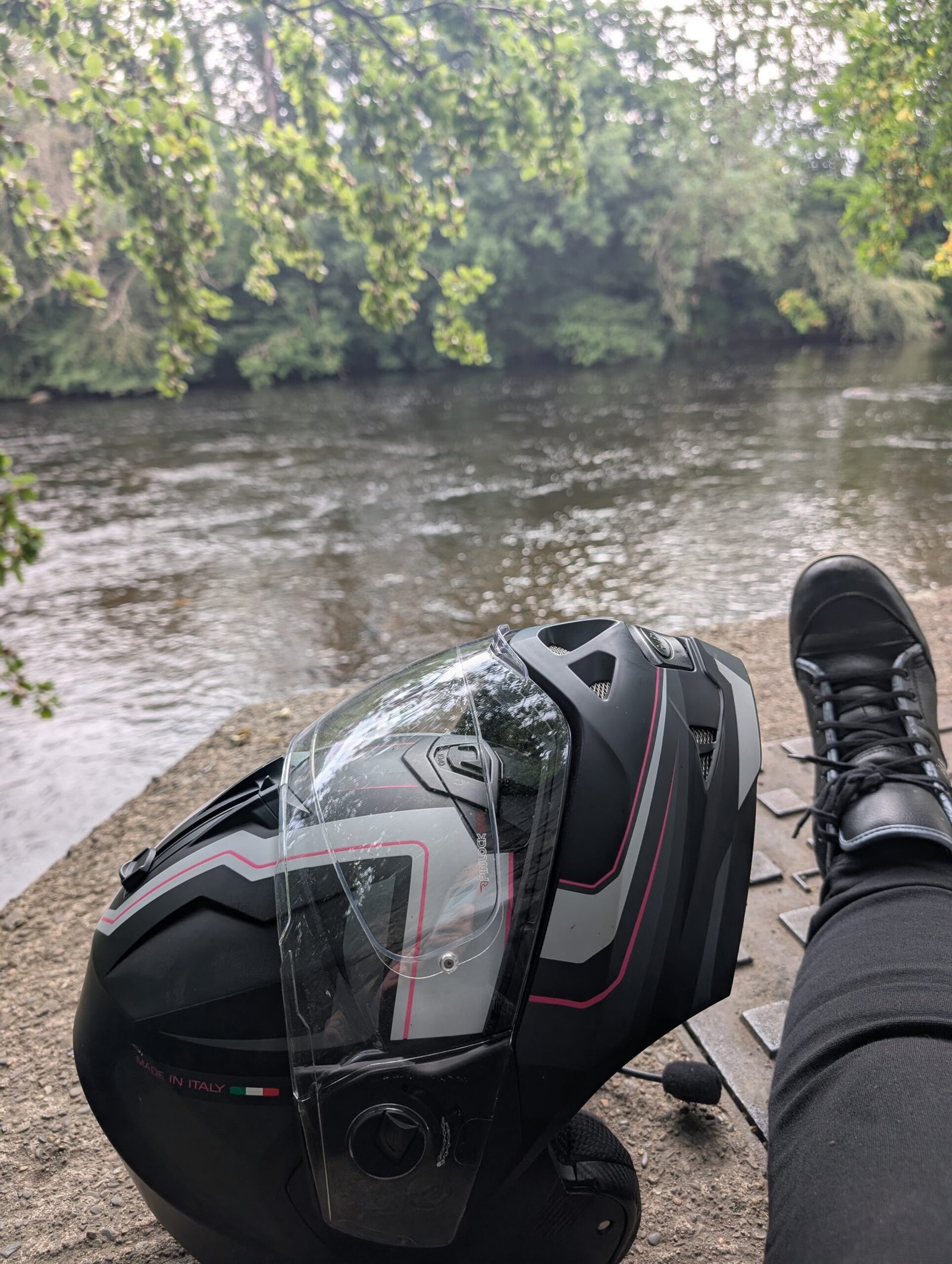
    Founder, NAAVoices.com
    Registered Nurse (RN, NMC)  ·  Survivor  ·  Neurodivergent
    Trauma Healing Practitioner  ·  Neurodiversity Coach
    🎓 Qualifications
    🎓 PGCert Neuroscience & Psychology of Mental HealthDistinction, University of Warwick, self-funded
    🎓 BSc (Hons) Adult Nursing, RN NMC
    ★ Certified Excellence: Neurodiversity CoachingCMA & IPHM accredited
    ★ Certified Excellence: Trauma Healing
    ★ Certified Excellence: Narcissistic Abuse Recovery
    📋 128+ CPD courses, self-funded
    🧡 Lived experience
    ♡ Survivor of DA & coercive control
    🧠 Neurodivergent, ADHD (diagnosed age 34)
    👪 Parent, children with SEN
    🛡 PTSD, diagnosed September 2024
    📚 Published authorPublications →
    🏥 Primary care nurseGeneral practice, acute medicine and CAMHS
  • The Healing Power of Connection: Lessons From My Grandmother’s Journey

    The Healing Power of Connection: Lessons From My Grandmother’s Journey

    NAAVoices was not created from certainty, but from lived experience and professional insight. As I migrate earlier work from the original platform, this post has been reviewed and approved for transfer. It remains true to its original context, with only minor clarity edits where needed. Some moments do not require rewriting to remain honest.

    Loneliness is one of the most profound and overlooked experiences a person can face, especially after losing a partner. Last week, I was reminded of this again when I met another widow still navigating the quiet ache of life after loss. Many people mourn not only the person they loved, but the life they once shared — the routines, the companionship, the sense of belonging.

    As I wrote in the original version of this blog, “More than 40% of widows and widowers report feeling isolated after the loss of their partner.” That statistic is more than a number. It represents real people living with a silence that can feel suffocating.

    My grandmother knew that silence intimately.

    Her First Experience of Loss

    My grandfather passed away when my grandmother was just under 60. She had to navigate the complexities of grief alone, at a time when support services didn’t fully understand the emotional and practical realities of widowhood. She felt isolated, unseen, and misunderstood — a feeling many widows and widowers still experience today.

    But instead of letting grief consume her, she transformed it into something extraordinary.

    A Legacy Born From Compassion

    In the years that followed, my grandmother founded a support group for widows and widowers — a group that has now been running for 25 years. What began with a single act of courage — “a letter to the local newspaper, reaching out to those who were living in similar situations” — became a lifeline for more than 200 people.

    She created a space where those grieving could come together, share their stories, and rediscover connection. A place where loneliness was met with understanding, and silence was replaced with companionship.

    I grew up watching her pour her heart into this work. I remember the open‑house sessions vividly: the smell of freshly baked cakes, the furniture rearranged to make room for everyone, the warmth that filled the room as people gathered. My baby boy was passed around like a tiny spark of hope. For some members, it was the only human interaction they had all week.

    Some found love again. Others found lifelong friends. Many simply found a reason to keep going.

    The Power of Shared Experience

    Working in primary care, I’ve seen firsthand how loneliness affects health — emotionally, mentally, and physically. I’ve often wished I had the time and resources to create a group like hers for my own patients. I can empathise deeply, but I haven’t walked in their shoes. That’s why her work matters so much: it came from lived experience, compassion, and courage.

    Even now, at over 80 years old, she still takes calls from those who need her. She doesn’t realise the magnitude of what she’s built. She never sought recognition, yet her legacy is undeniable. She has healed hearts, restored hope, and created a community that continues to thrive because she refused to let others feel the loneliness she once felt.

    Connection as a Lifeline

    Her story is a reminder that healing doesn’t always begin with grand gestures. Sometimes it starts with one letter, one conversation, one act of kindness. She proved that one person’s courage to reach out can transform hundreds of lives.

    Her legacy teaches us that connection is not a luxury — it is a lifeline. Loneliness affects the body, the mind, and the will to keep going. When we create spaces for people to be seen and heard, we offer them more than support. We offer them a way back to themselves.

    I carry her lessons with me every day:

    • No effort is too small.
    • Compassion creates ripples we may never fully see.
    • Community can grow from the simplest act of reaching out.

    Her strength, her love, and her quiet determination continue to guide me.

    Moving Forward: A Call to Connection

    Reflecting on her journey, I wish more services recognised the true impact of loneliness on widows and widowers. If the NHS had the capacity to support community‑led groups like hers, countless people could benefit from the healing power of shared experience.

    Her story is not just a testament to resilience — it is a blueprint for what compassionate community support can look like.

    A Year Later

    Nearly a year after writing this blog, I’ve created a dedicated bereavement support resource offering guidance, practical help, and most importantly, contact details for organisations that truly understand loss and provide meaningful support. It feels like a small way to honour her legacy and continue the work she began.